
Why You Can’t Just Use Any Glass for Bathroom Heaters
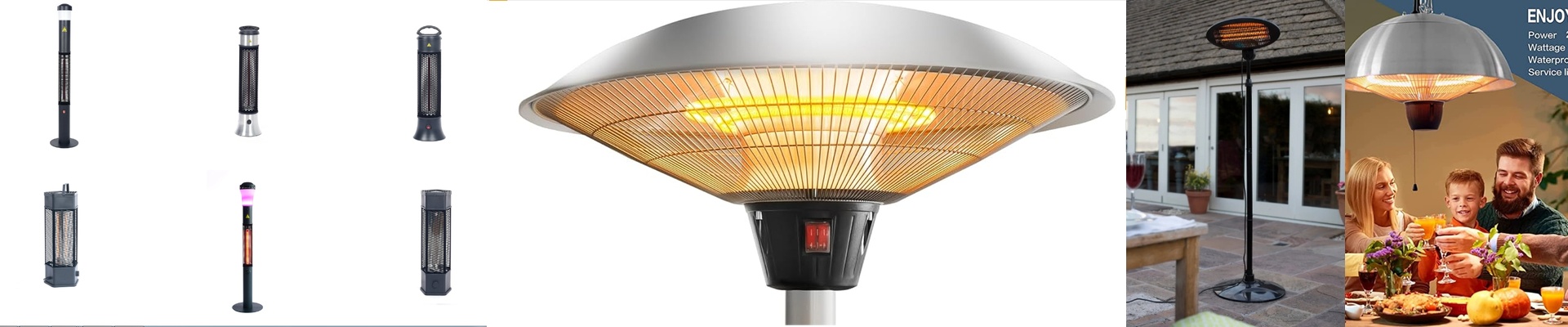
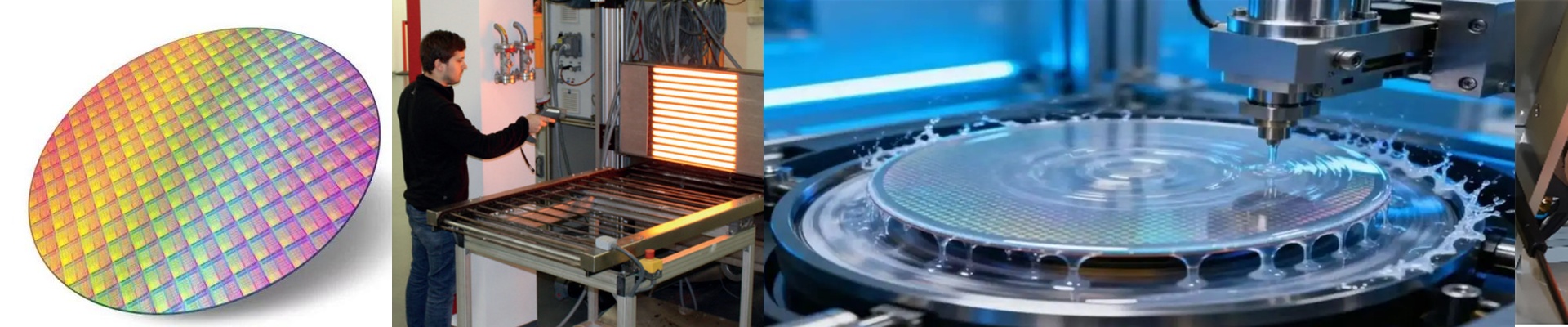
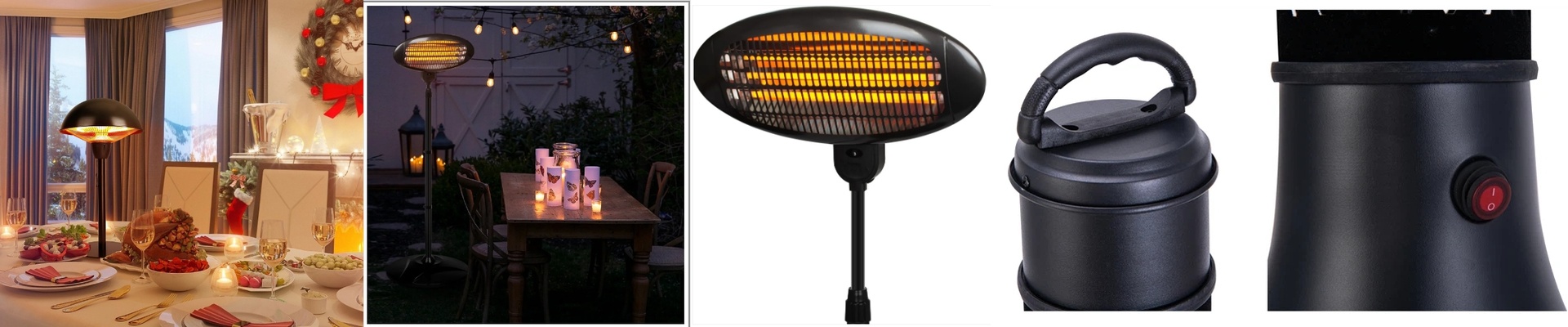
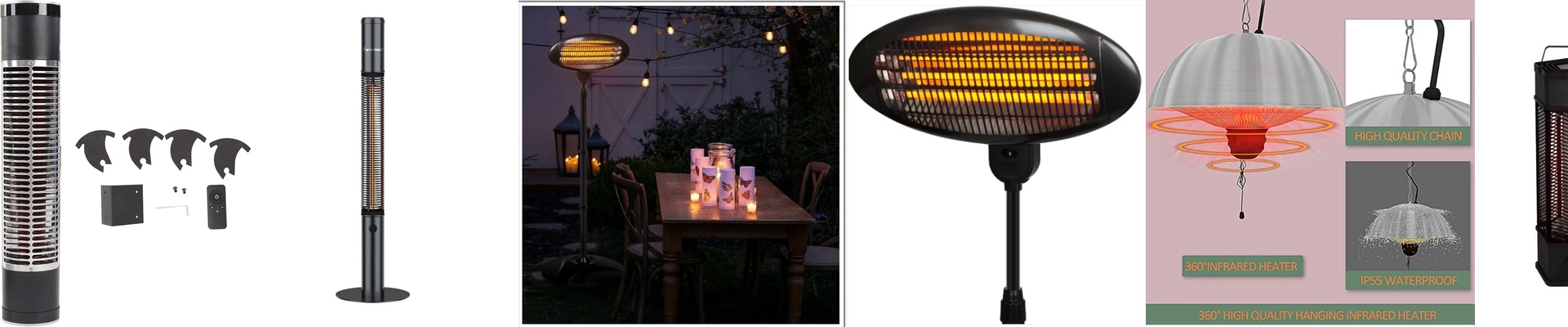
When you’re picking out infrared lamps for a bathroom, the glass isn’t just some design choice. It’s a safety thing. Here’s the problem: standard quartz tubes hate cold water. If you’ve got a lamp running at full blast and a stray droplet of cold water hits it, the glass can just… snap. It’s called thermal shock, and it’s a nightmare. The scary part of the physics These lamps get incredibly hot to push out that warmth. Now, imagine that glowing heat meeting a tiny, freezing drop of water from a shower. The glass shrinks too fast in one spot, and pop—it fails. That’s why we use a specific kind of thickened, explosion-proof quartz. It’s built to handle those wild temperature swings. It keeps the vacuum seal tight and the glass intact, even when it gets blasted with water. Safety isn’t optional We use high-purity fused quartz because it’s the last line of defense. Think about it. If a tube breaks in a bathroom, you’ve suddenly got shattered glass and live electricity in a room full of water. Not a great way to start the morning. If you hold one of these tubes, you’ll notice they feel heavier than the ones used in factories. That extra weight is intentional. It helps spread the heat across the surface so you don’t get those “stress points” where cracks usually start. The honest trade-off Now, nothing is perfect. Because the glass is thicker, it doesn’t let quite as much infrared light through as a thin tube would. You lose a tiny bit of raw heat per watt. But honestly? I’ll take a tiny dip in efficiency any day if it means the lamp doesn’t explode in a customer’s face. It’s a fair trade. Just double-check that your housing is wired for the right wattage so the fixture itself doesn’t get too hot.