

Keeping the Heat On: How We Fight Fog and Water in Industrial Heaters
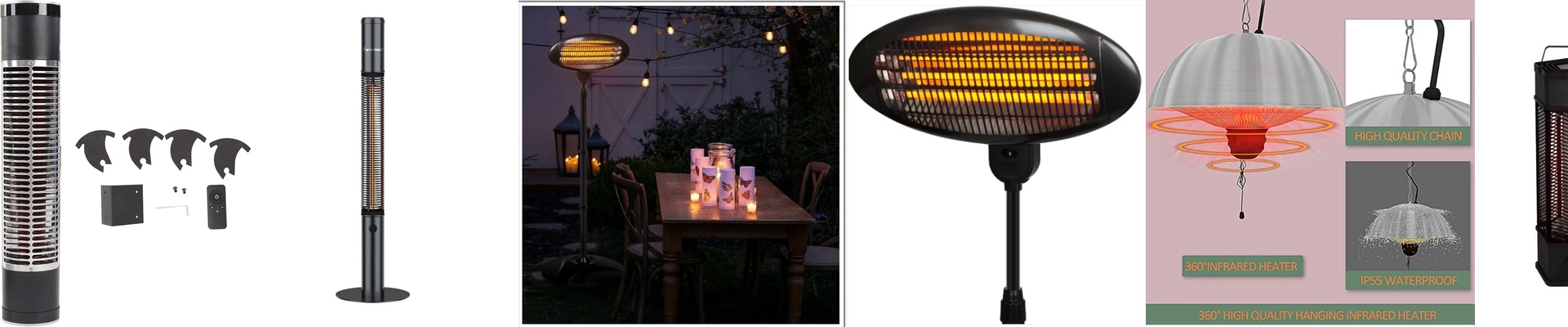
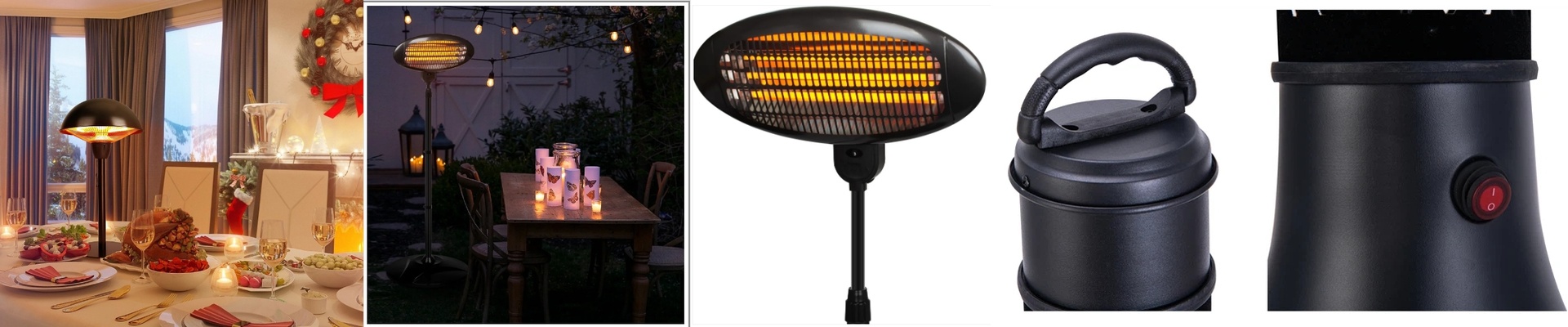
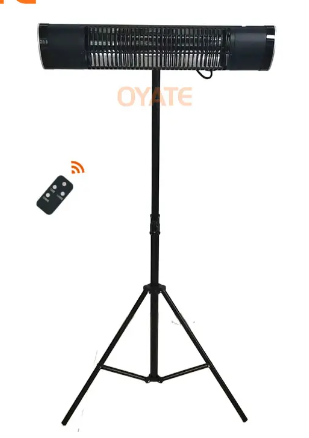
If you’re putting infrared heaters on a patio or in a semi-outdoor spot, you know the struggle. You’ve got humidity, morning dew, and the occasional rainstorm all fighting against your equipment. Without a solid plan, that moisture gets in. It kills the filaments. It causes shorts. And suddenly, your expensive heater is just a piece of dead metal hanging from the ceiling. We’ve spent a lot of time figuring out how to stop that from happening. The battle against the “cloud” Ever notice how a heater can just… stop feeling hot? Usually, it’s because of fogging. Warm, damp air hits the cool quartz tube or the housing, and you get this thin film of water. It acts like a curtain, scattering the heat instead of letting it beam down on you. To fix this, we use hydrophobic coatings on the outer lens. We also tweaked the airflow so the surface stays at a steady temperature. The goal is to keep the surface warm enough that the dew point never hits. No clouding, no lost heat. Just a steady, warm glow. Keeping the water out Water is the fastest way to fry a heater. Period. We focus heavily on the gaps—specifically where the chassis meets the electrical terminals. We use thick silicone gaskets and sealed cable entries to block everything from a light mist to a cleaning crew with a power washer. But here is a pro tip:use a drip loop in your wiring. It doesn’t matter how good our seals are if the water travels down the cable and pours directly into the terminal block. Give the wire a little dip before it enters the unit so the water just drops off. The balancing act Here’s the tricky part. If you seal a heater too tight, it can’t breathe. It starts trapping heat inside, which is the last thing you want when you’re pushing max wattage. So, we use vented housings. They’re designed to let the electronics cool down while physically steering water away from the sensitive bits. Just a heads up: if you’re installing these in a tight, confined space, give them some room to breathe. If they get too boxed in, you’ll trip the thermal cut-off, and the unit will shut down to save itself.