
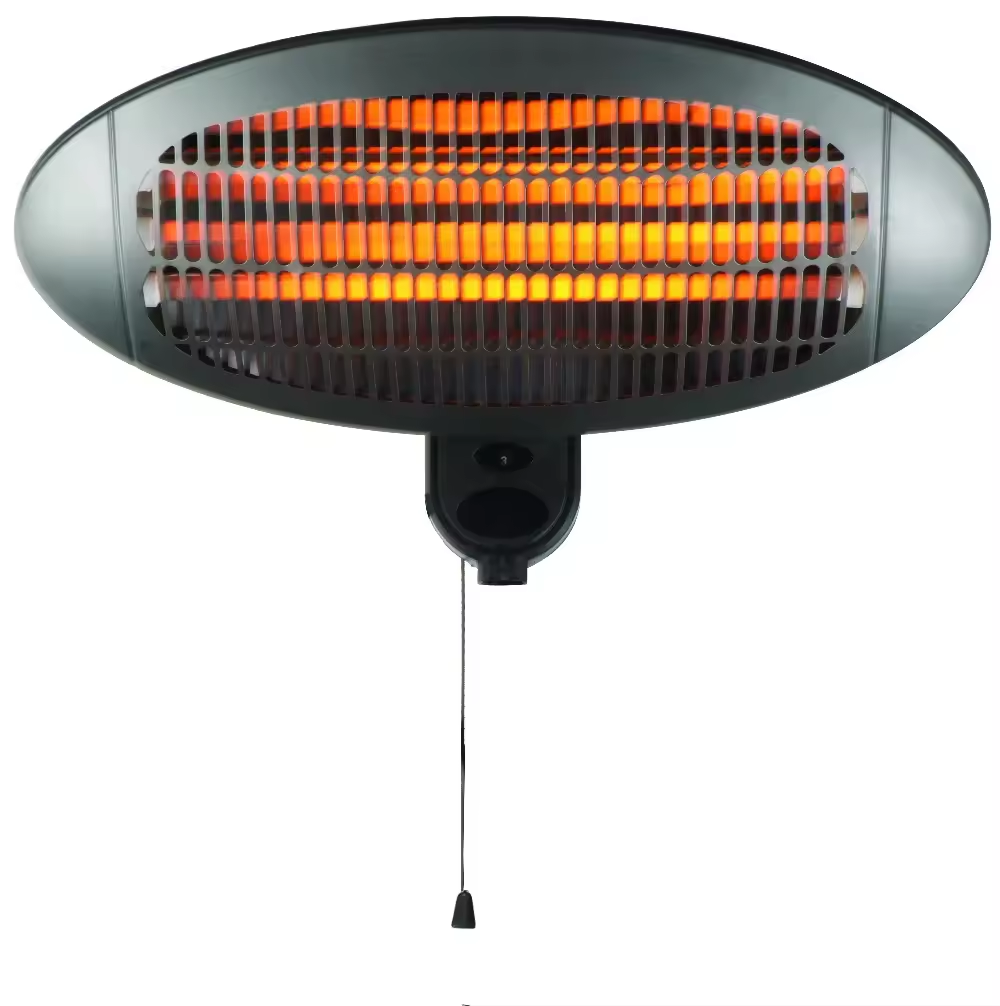
Why Your Bathroom Heater Won’t Blow Up in Your Face
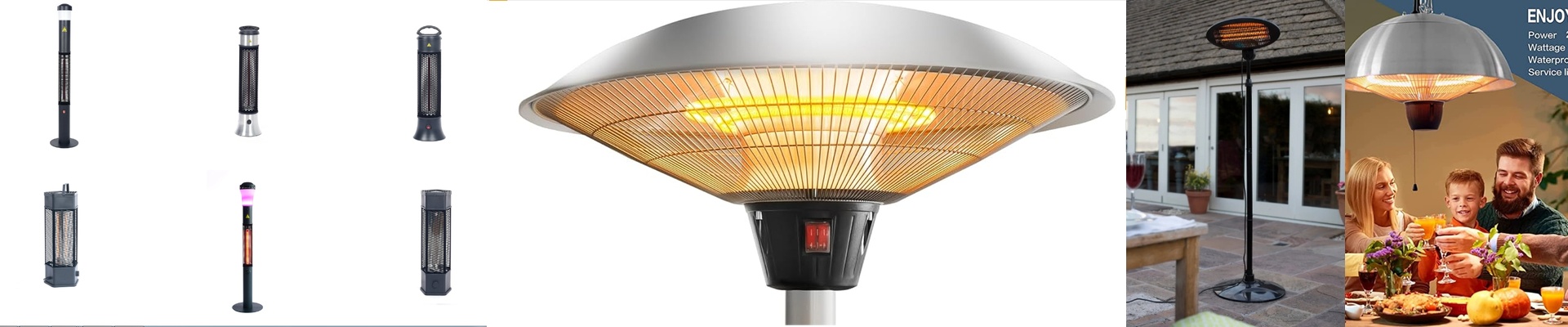
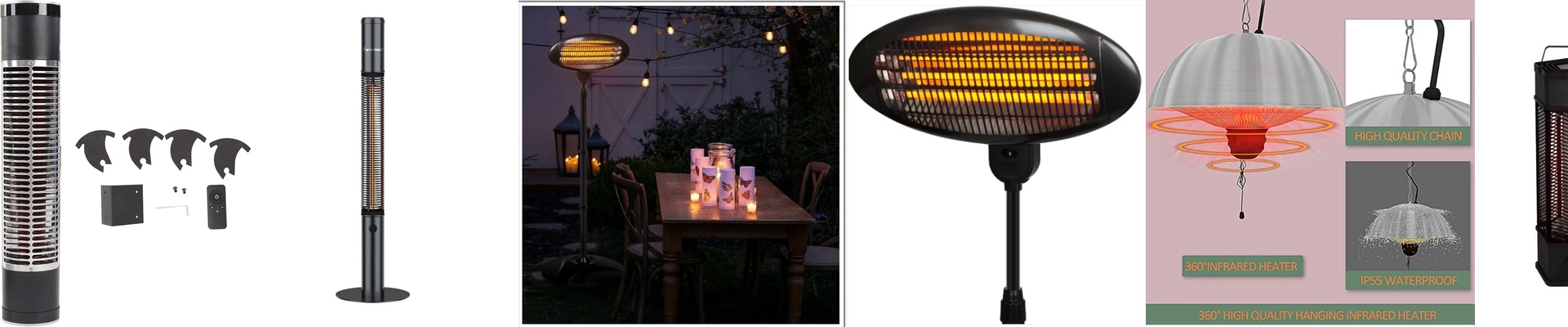
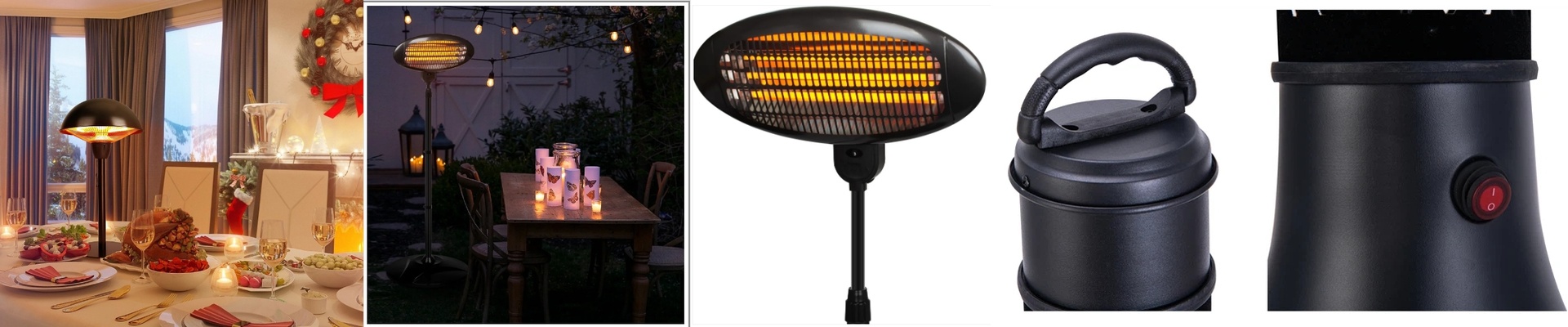
Ever stepped into a freezing bathroom after a shower and wished the room actually felt warm? That’s where these recessed infrared ceiling heaters come in. They don’t waste time heating up the air—they send a wave of heat straight to your skin. It’s instant. The secret is the quartz heating tube. But since it’s in a bathroom, things get a bit tricky.
The “Cold Drop” Problem
Think about it: you’ve got a quartz tube glowing at 800°C. Then, a single, cold drop of condensation falls from the ceiling and hits it. With regular glass, that’s a recipe for disaster. The sudden temperature shock causes the glass to crack or, worse, shatter. That’s why we useexplosion-proof quartz. We’ve tweaked the molecular structure and added special coatings so the heat spreads out more evenly. And if a tube ever does give out? It won’t shatter violently. It’s designed to break into small, dull pieces that stay contained. It’s basically a safety net for your ceiling.
What’s Actually Inside?
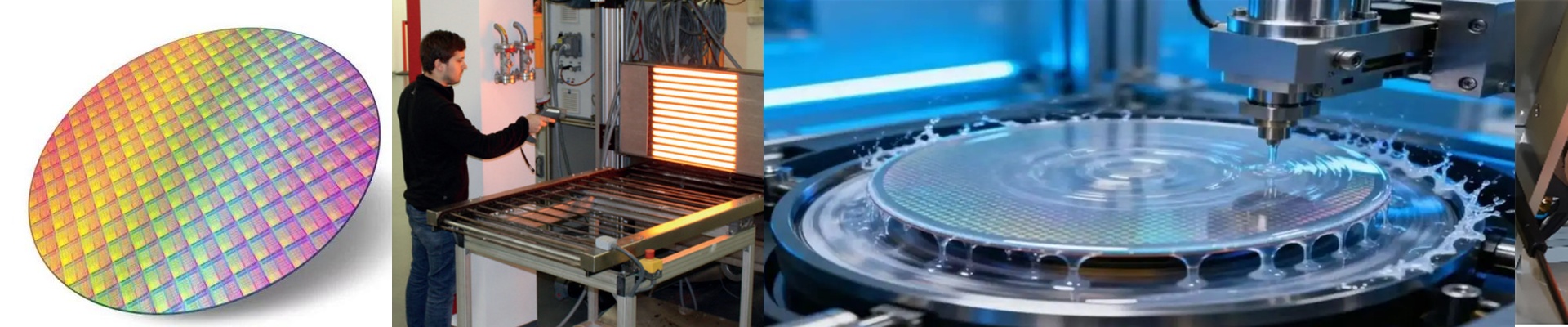
We use high-purity synthetic quartz because it’s a beast when it comes to temperature swings. Inside that tube is a tungsten filament packed with halogen gas. The gas is the magic part. It lets the filament run much hotter without burning out, which means you get a ton of heat from a really small piece of hardware.
A Few Things to Watch For
Installing these is pretty straightforward—they just drop into your existing ceiling fixtures. You wire them in, turn them on, and you’re warm. But, a heads-up on the electrical side: these things pull a lot of power. If you’re putting a few of these in one room,check your wiring. If your cables are too thin or your breakers aren’t up to the task, you’ll see a drop in voltage, and your heater will feel lukewarm instead of toasty. Also, because they get so hot, make sure your housing has some breathing room. You don’t want your ceiling materials scorching over time just because there wasn’t enough airflow.