

Why Your Bathroom Heater Keeps Dying (and What Actually Works)
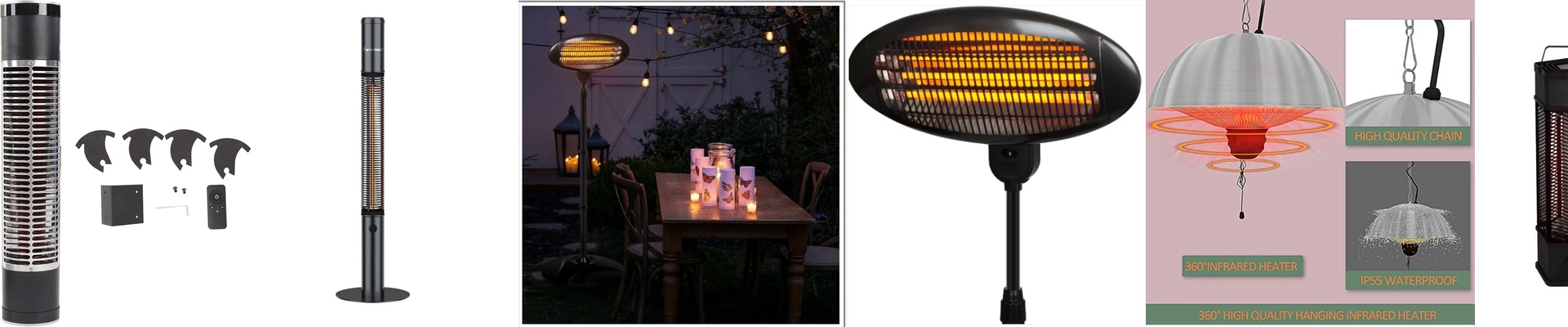
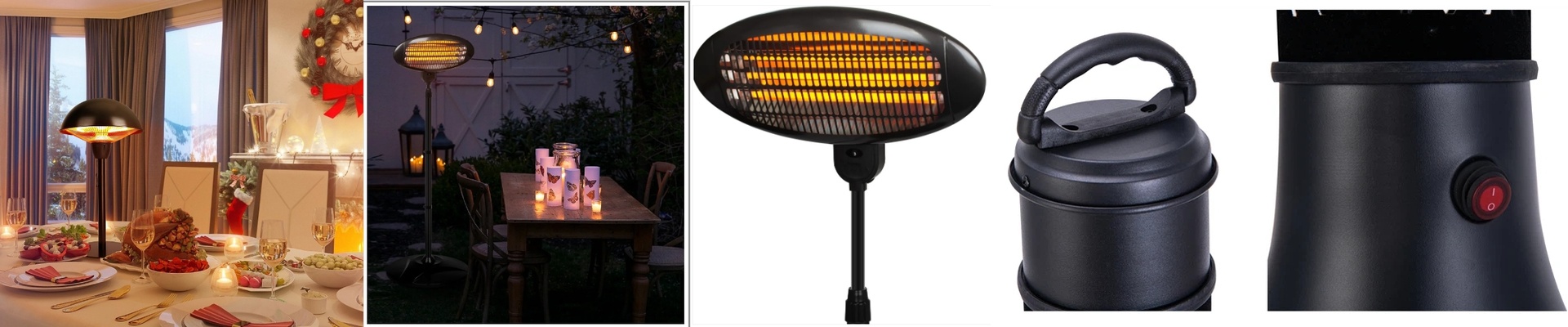
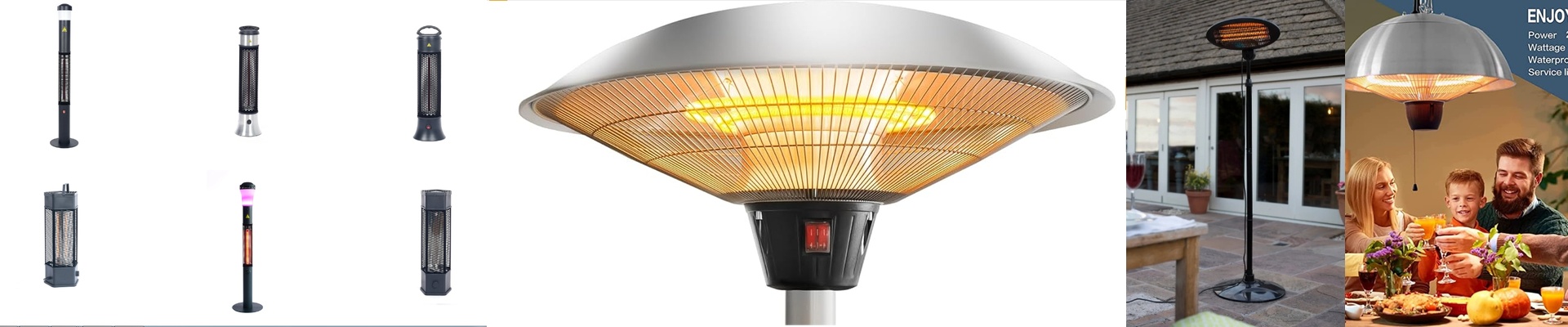
Ever noticed how those standard bathroom lamp heaters always seem to give up the ghost right when you need them? It’s usually because they aren’t built for the steam. They just aren’t sealed well enough, and the moisture eventually wins. Lately, we’ve been moving people over to 1500W infrared ceiling heaters. They’re a lifesaver for luxury bathrooms or those open-air gazebos where the wind just strips the heat away. The secret is in how they heat. Most heaters try to warm up the air. The problem? Hot air rises. You end up heating your ceiling while you’re still shivering. These infrared units are different. They beam the heat straight down to you. It feels like stepping into a patch of sunlight on a cold day. Instant warmth. But the real magic is in the build. Steam is a nightmare for electronics. To keep these things from frying, we’ve used heavy-duty waterproof seals around the housing and where the wires go in. It keeps the condensation out of the circuitry so the unit doesn’t short out. We also use quartz glass tubes with a special coating. Why? Because if you jump into a cold shower in a room that’s already toasted, that sudden temperature swing can crack cheap glass. These don’t. A few things to watch out for during install. You can usually swap these into the spot where your old lamp heater lived, but keep in mind they pull more power. Make sure your circuit can handle a steady 1500W load, or you’ll be tripping your breaker every time you want a warm room. And a quick tip: give them some breathing room. Even with the waterproof rating, they get hot. If they’re too close to a combustible ceiling, you’re going to scorch your fixtures. Use the right brackets, mount them securely, and you’re good to go.