
Stop Fighting Your High-Ceiling Heaters
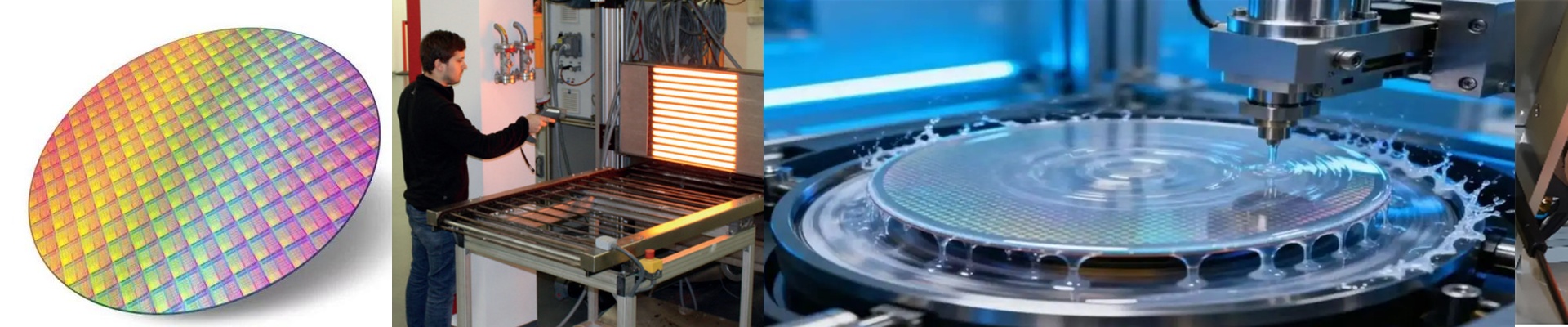
Let’s be honest: when an infrared heater burns out in a factory with 30-foot ceilings, it’s a nightmare. You’re not just replacing a part. You’re renting a scissor lift, blocking off a section of the floor, and spending half a day dismantling a massive fixture just to get to one broken piece. By the time the heat is back on, you’ve lost a mountain of money in downtime. We got tired of that headache, so we changed how the heaters are actually built. We went modular. The “Plug-and-Play” Approach Most industrial heaters are basically one big, solid chunk. If one tube goes, you’re stuck. Our setup is different. We treat the heating element like a module. Think of it like swapping a battery in a power tool. We use quick-release brackets and standard connectors, so you don’t have to mess around with rewiring the whole housing. You just pull the dead one out and drop a fresh one in. It’s fast. Really fast. The Five-Year Itch Here’s the thing about industrial heating: these elements eventually wear out. After about five years of heavy use, you’ll notice the heat isn’t hitting quite as hard. In a traditional system, fixing this is a production. You’re looking at full electrical shutdowns and hours of grueling labor high in the air. With the modular gear, your tech spends a few minutes per unit and moves on. It turns a dreaded “major overhaul” into just another Tuesday. The Honest Trade-off Now, I’ll be straight with you. Modular means more connection points. Every time you add a connector, you add a spot where something could go wrong if it’s not seated right. To stop that from happening, we use high-temp terminals that won’t warp or bend when things get hot. The only catch? Your team has to actually tighten them to the spec. If they get lazy with the connections, you’ll risk arcing. Just make sure they do it right the first time. Built for the Person on the Lift We didn’t design this for the guy sitting in a climate-controlled office. We built it for the person actually standing on the lift. The footprint is small and the modules are light. You can carry a few spares up the ladder without feeling like you’re hauling a suitcase. Because at the end of the day, the only thing that matters is getting the heat back on and getting people back to work.