
Keeping Your Bathroom Heater from Blowing Up
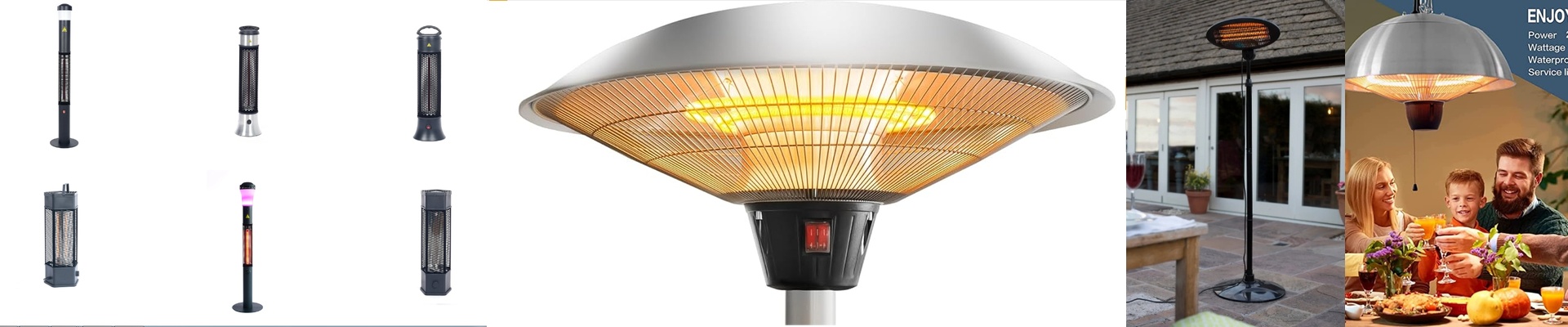
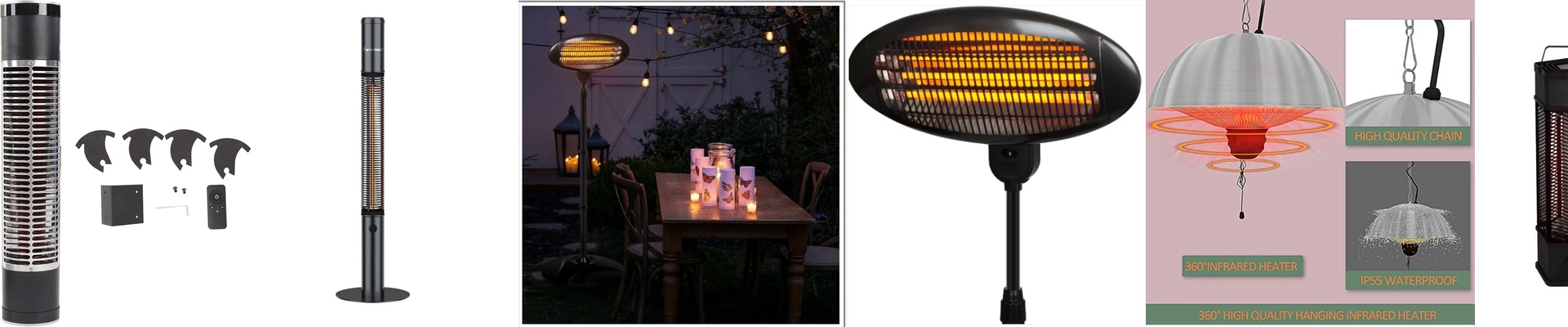
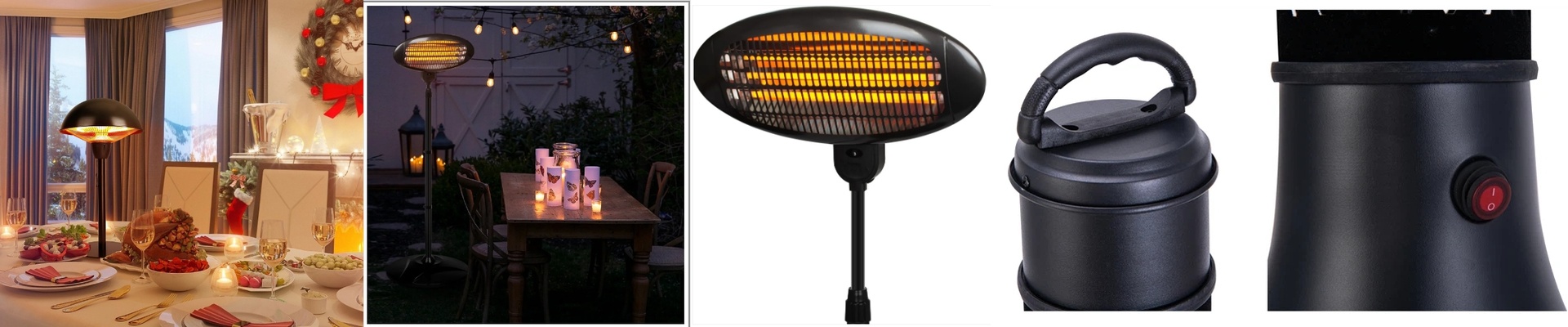
If you’ve ever used a ceiling heater in the bathroom, you know the feeling. You step out of a hot shower into a freezing room, and you just want that instant blast of warmth. Those heaters use short-wave infrared lamps to make that happen. But here’s the problem: bathrooms are humid, steamy, and full of wild temperature swings. In that kind of environment, the material the heating tube is made of isn’t just a spec—it’s the only thing keeping the unit safe.
The “Cold Drop” Problem
Standard quartz tubes are finicky. They hate “thermal shock.” Imagine a tube glowing at 800°C. Now imagine a single, cold droplet of water hitting it.Crack. Without the right protection, that tube can shatter. You’re left with a tungsten filament exposed and glass shards potentially falling right where you’re standing. It’s a nightmare scenario. That’s why we use explosion-proof quartz. We basically wrap the glass in a reinforced mesh or a high-tensile coating. If a crack happens, the coating holds everything together. It keeps the glass from bursting outward, so you can keep your morning routine without any surprises.
The Nitty-Gritty Stuff
Inside these lamps, we use a halogen-filled quartz envelope. This helps the filament last longer and lets the heat shoot straight down to you instead of getting trapped in the glass. One quick heads-up on the electrical side: these things pull a lot of power to get that “instant heat” feeling. If your wiring is old or your circuit isn’t beefy enough, you’re going to trip your breakers the second you flip the switch. It’s worth double-checking your load before you install them.
Real-World Advice
You can usually pop these tubes right into standard fixtures. But there is a tiny trade-off. Because of that safety layering, the heat intensity is a hair lower than a cheap, uncoated tube. You might not feel that raw, searing heat, but you get the peace of mind that it won’t explode. To me, that’s a trade I’ll make every single time. And a pro tip?Keep your reflectors clean. Dust builds up on those mirrors over time. When that happens, the heat doesn’t throw as far, which forces the lamp to run hotter than it needs to. A quick wipe-down keeps things efficient and makes the hardware last longer.