
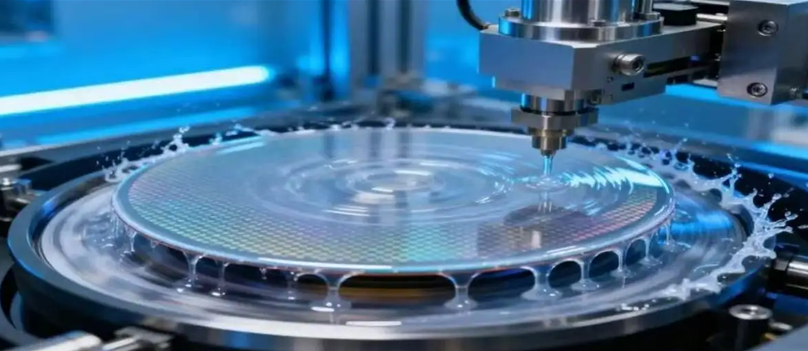
Getting Your Heat Right in a Smart Fab
If you’re running a semiconductor fab, you already know UHP heater lamps are the go-to for thermal processing. But as we move toward these “Industry 4.0” setups, the heat itself isn’t the only thing that matters. It’s really about how that heat talks to your data.
Why we stick with Infrared
Old-school resistive heating is just too sluggish for a modern, digitized line. That’s why we use short-wave infrared (SWIR). It hits almost instantly. And that speed is the secret sauce. If you’re trying to run a digital twin or manage your process in real-time, you need a system that can ramp up or down in a heartbeat. If it takes forever to change temperature, your data feedback loop is basically a fancy paperweight.
The nitty-gritty on thermal density
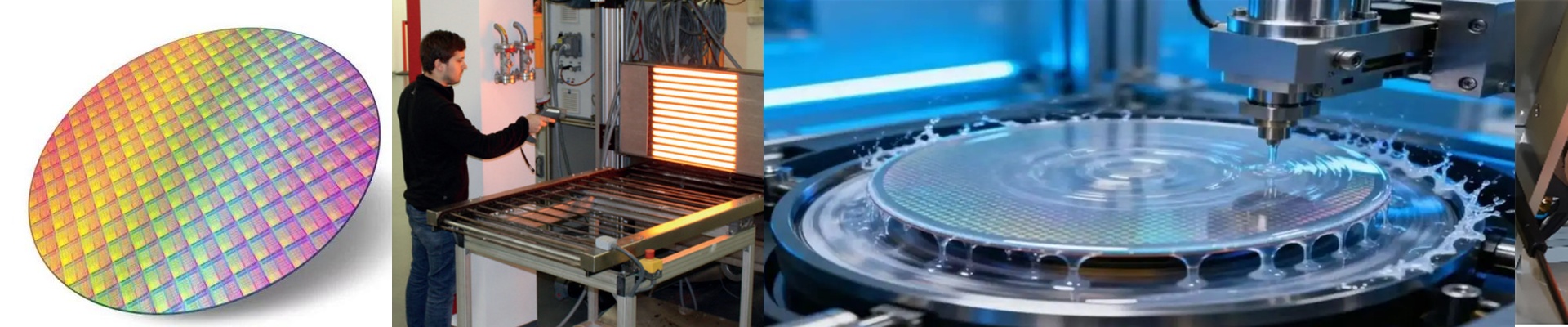
These lamps use high-purity quartz envelopes. Why? Because the last thing you want is metallic contamination ruining a run. We usually push for high wattage densities here. The goal is to get as many BTUs as possible into a tiny footprint, which is a lifesaver when cleanroom floor space is at a premium. But there’s a catch. When you’re running these things at full blast, they put a massive load on the chassis. You’ve got to get your cooling manifolds exactly right. If your airflow is off, you’re looking at warped fixtures or lamps that burn out way too early. It’s a balancing act.
Stop guessing, start tracking
In a smart Fab, we’ve moved past the “set it and forget it” mindset. These lamps plug right into PID controllers that feed raw data back to the MES. By keeping an eye on current fluctuations and voltage drops, we can actually tell when a lamp is about to give up the ghost before it kills a whole batch of wafers. It takes the guesswork out of the equation. Instead of replacing parts on a calendar or hoping for the best, you replace them based on how they’re actually wearing down. It turns a frustrating consumable part into something predictable.