
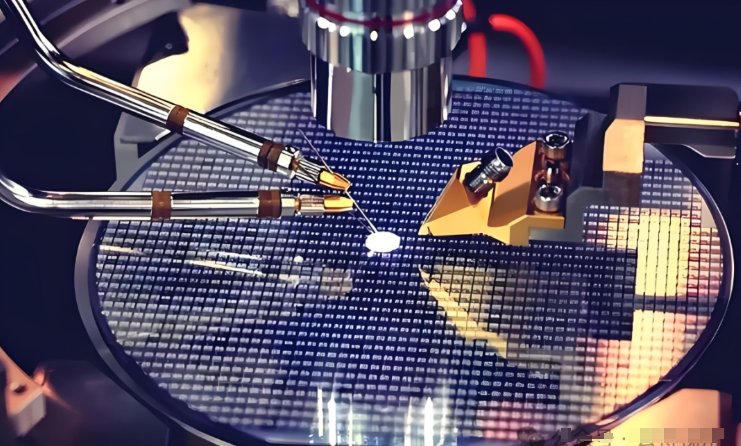
Stop Letting Broken Heaters Kill Your Wafers
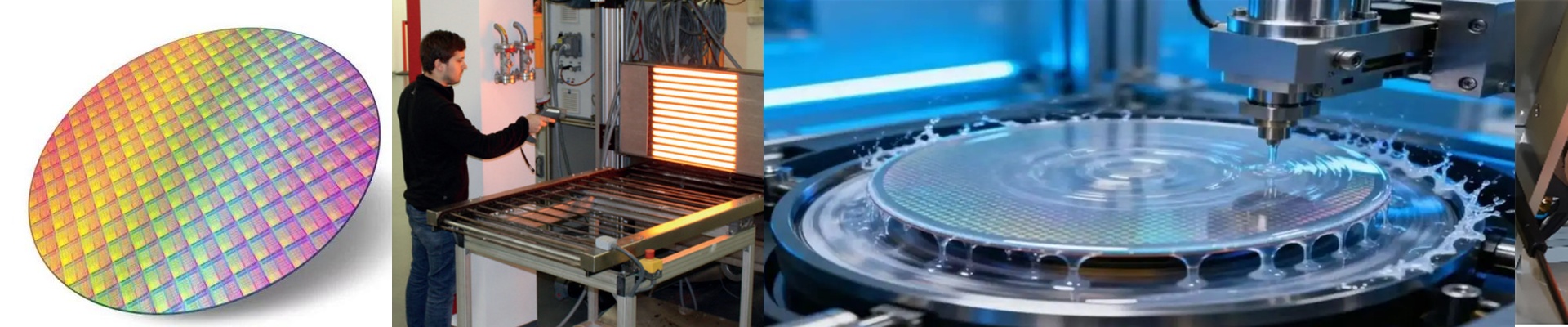
If you’re making hydrogen sensors, you know the heating stage is where things usually go sideways. When you’re pushing high-load production cycles, those infrared (IR) lamps are under a ton of pressure. And here’s the nightmare scenario: a tube bursts. It’s not just about the downtime. You’ve suddenly got quartz shards and chemical gunk raining down on your wafers. One burst tube can wipe out an entire batch in seconds. It’s a mess, and it’s expensive. Why do they actually break? Usually, it comes down to thermal shock or a few nasty hotspots. To fight this, we use high-purity quartz that can actually handle the heat swings. But the secret is in the seal-off points. We tweaked the electrode geometry so the heat doesn’t just pile up at the ends of the tube. When the heat is spread out, the glass doesn’t stress out—which means it doesn’t crack when you’re running it hard. Keeping the debris out We didn’t stop at the glass. We added a protective containment shell around the lamps. Think of it as a safety net. If a tube does decide to give up the ghost, the shell catches the debris before it ever touches your sensor substrate. Plus, we use specific quartz coatings to tune the wavelength. This makes sure the heat hits exactly where it needs to, without turning your surrounding chassis into an oven. The balancing act Now, high-density IR heating is great because it gets you the ramp-up speeds you need. But there’s a catch. All that heat puts a massive strain on your vacuum and cooling systems. If your airflow isn’t dialed in, the housing overheats. That kills your lamps way faster than it should. You have to find that sweet spot between how much wattage you’re pumping out and how much heat your system can actually breathe out. We designed these heaters to be simple drop-in replacements. You wire them up, calibrate the power, and you’re good to go. No fuss. Just keep the heat on the wafer and the junk out of the chamber.