


Engineering for Absolute Electrical Safety
When we build heaters for carbon nanotube fabrication, electrical safety isn’t a marketing line. It’s a must. Every single unit gets fully tested for dielectric strength and insulation resistance before it ever leaves our line. That means you’re getting a heater that can truly handle high-voltage stress at the component level—long before it gets installed in your high-end equipment. You can feel confident, not cautious, when you power it up.
Technical Deep-Dive: Power, Voltage, and Physical Constraints
We engineer these heaters to pack a lot of heat into a small footprint. To do that, we run them at high voltage—often 400V—so we can deliver the power you need without resorting to bulky cabling. A 2500W rating on a 300mm tube gives you intense, focused heat. You hit target temperatures fast. That’s the upside. But here’s the thing: the more power you pack in, the more heat your surrounding electronics and cooling setup have to handle. So plan your cooling and clearances with that in mind.
Material and Design: Why the Components Matter
We use halogen-filled quartz envelopes to keep filament temperature steady and radiant output consistent over time. Quartz handles rapid heating and cooling cycles well, and the internal gas chemistry helps reduce filament evaporation. For termination, we go with an R7s connector configuration. It holds tight mechanically and delivers reliable contact pressure—critical when your heater will be dealing with vibration during operation. That means fewer hot spots at the joints and a much lower risk of intermittent arcing. It’s the kind of detail that keeps things calm at the connection points.
Application and Field Benefits
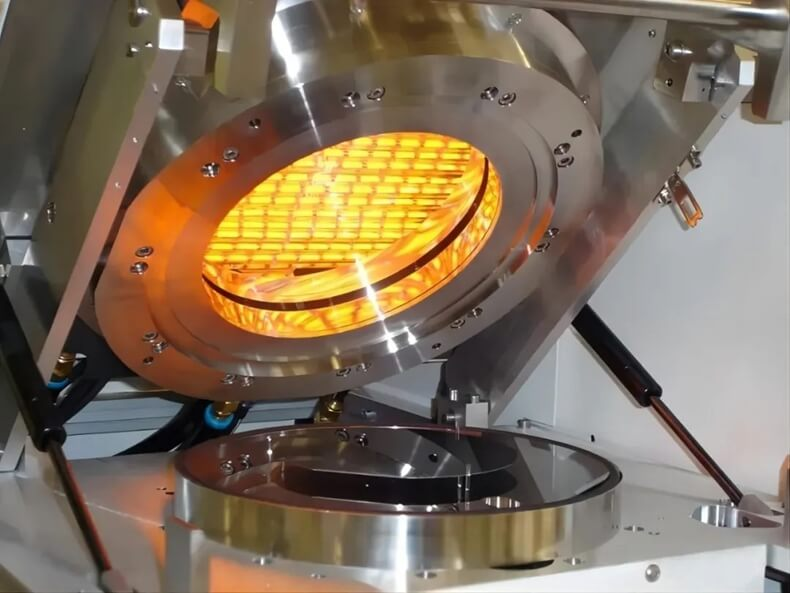
On the shop floor, this heater configuration is built for real production life. The compact length slips into tight zones inside carbon nanotube synthesis tools, and the high-voltage approach keeps current draw manageable for the machine’s wiring. And before any heater ships, it’s 100% tested for dielectric strength and insulation resistance. You get a clear, documented baseline for electrical integrity, so you can integrate it into your system with real peace of mind—and keep your equipment protected when the day gets busy.