
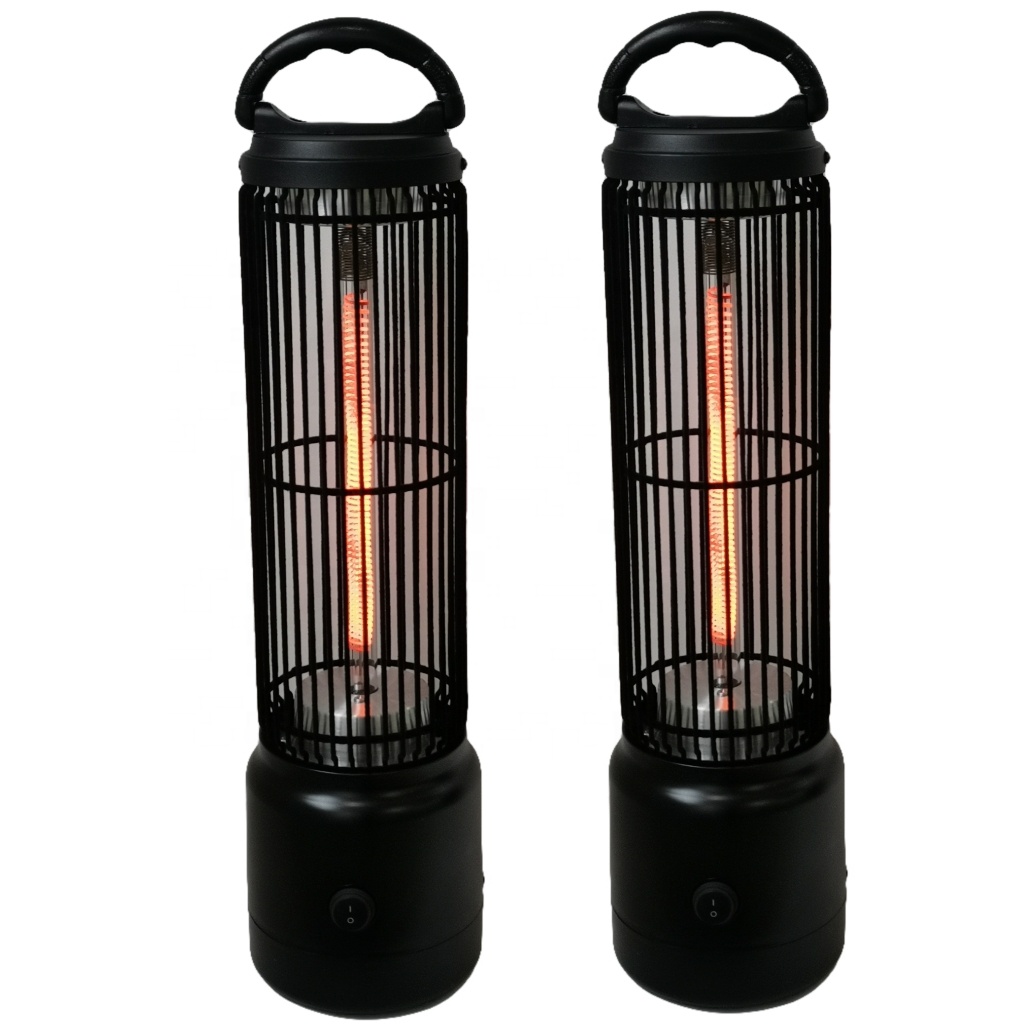
Stop the Bathroom Damp: Why Infrared Actually Works
Most people see those bathroom heating lamps and think, “Oh, nice, I’ll stay warm while I brush my teeth.” But we look at them differently. To us, they aren’t just about comfort—they’re actually a secret weapon for fighting moisture. Here is the trick: instead of just warming up the air, these lamps go after the water molecules themselves.
How it actually works (without the textbook talk)
Most heaters just blow warm air around. The problem is, that air often just sits there, and your walls stay cold. When steam hits a cold wall, it turns into those little water beads that mold absolutely loves. Our infrared lamps work differently. They send heat directly to the surfaces—your walls, your ceiling, the floor. By keeping those surfaces warm, the water can’t settle. No beads, no dampness, andno place for mold to move in.
Dealing with the steam
Now, let’s be real: heat alone won’t make the humidity vanish. It’s not magic. Think of these lamps as a helping hand for your exhaust fan. By warming up the room’s edges, the lamps push standing water to evaporate faster. This moves the moisture back into the air, where your fan can actually grab it and kick it outside. And because bathrooms are brutal environments—switching from freezing cold to steamy in seconds—we use high-grade quartz glass. It’s tough. It won’t crack just because you took a scorching hot shower.
A few things to watch out for
You can’t just throw the biggest, most powerful lamp you can find into a tiny powder room. If you do, you’ll end up with a sauna effect where the steam just gets trapped against the ceiling. It’s a mess. You have to match the wattage to the size of your room. Plus, make sure your wiring is up to the task. These lamps pull a bit of a surge when they first kick on, and nobody wants to spend their morning resetting a tripped breaker. Keep the airflow moving, pick the right size, and you’ll have a bathroom that feels crisp and dry.