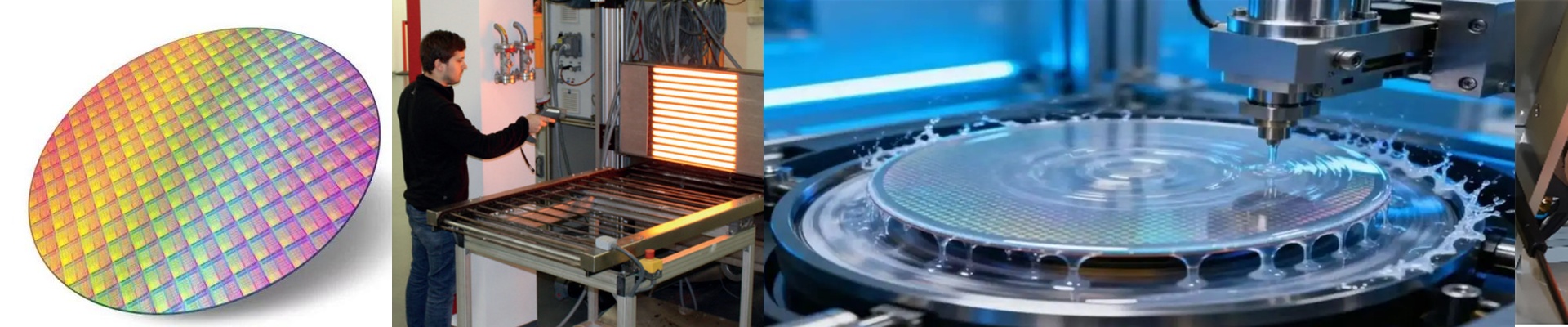


Stop Your Heating Elements from Ruining Your Wafers
If you’re running a Class 100 cleanroom, you already know that air filters only do half the job. The real headache? Your heating elements. They can be sneaky sources of outgassing and shedding particles right when you can least afford it. That’s why we use high-purity synthetic quartz for our IR lamps. It keeps the junk off your wafers.
The Deal with Materials
Here’s the thing: standard quartz usually has impurities. When things get hot, those impurities volatilize. Not great. We stick to high-purity silica so the lamp envelope doesn’t start shedding particles every time the temperature swings. We also make sure the quartz is fused to handle those rapid heat-up and cool-down cycles. It means no cracking. No glass shards. No microscopic dust drifting into your process chamber.
Getting the Heat Right
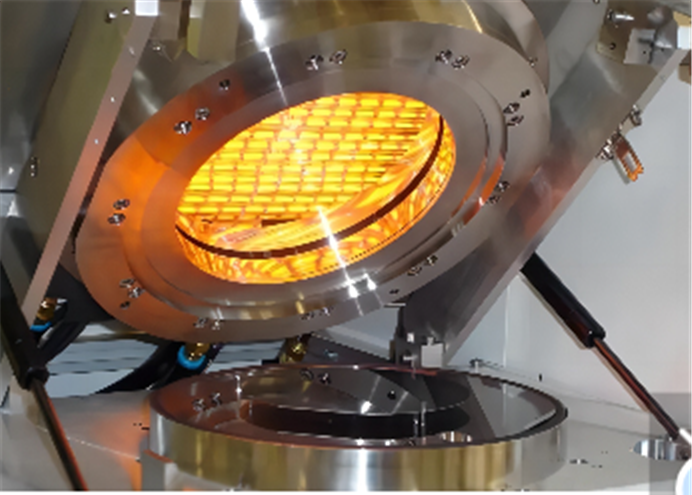
We use shortwave IR because it hits the wafer surface fast. The faster it heats, the less time the wafer spends at those extreme temperatures. That’s a big win because it cuts down the risk of weird chemical reactions happening on your substrate. Precision matters here. If you’re working with a 300mm tool, the lamp length and wattage have to be a perfect match for your power supply. If they’re off, you get hot spots. And if you over-spec the wattage without the right cooling fans to pull that heat away from the ends, your filaments are going to burn out way too soon.
Swapping Them Out (and Keeping Them Alive)
We use standard connectors, so these are basically drop-in replacements. You won’t have to spend your afternoon rewiring a whole rack just to swap a burnt-out tube. But a quick word of warning: high-purity quartz is picky about skin oils. One fingerprint can create a stress point. Please, use lint-free gloves when you’re installing these. If oil gets on the quartz, it’ll pit and fail long before the filament actually gives out. It’s a small step that saves a lot of frustration.