
Stop Letting One Broken Bulb Kill Your Entire Batch
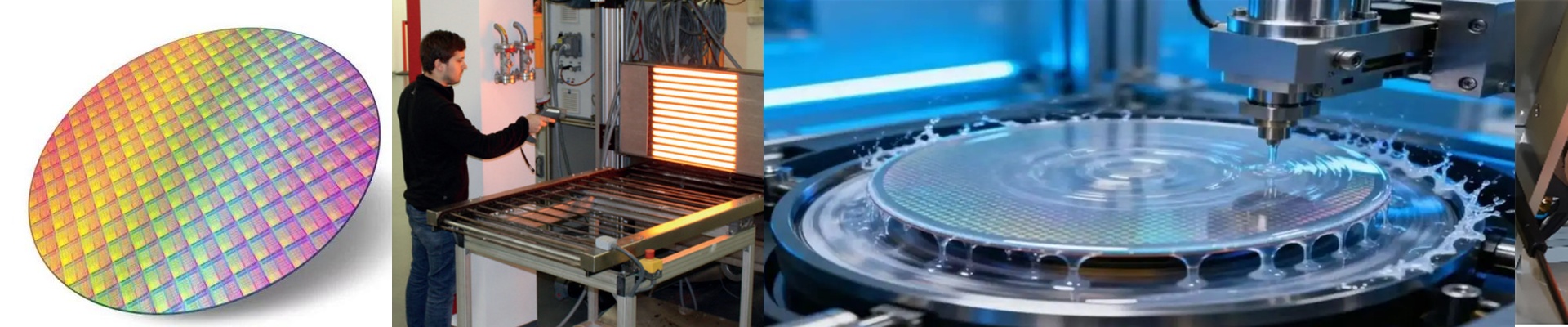
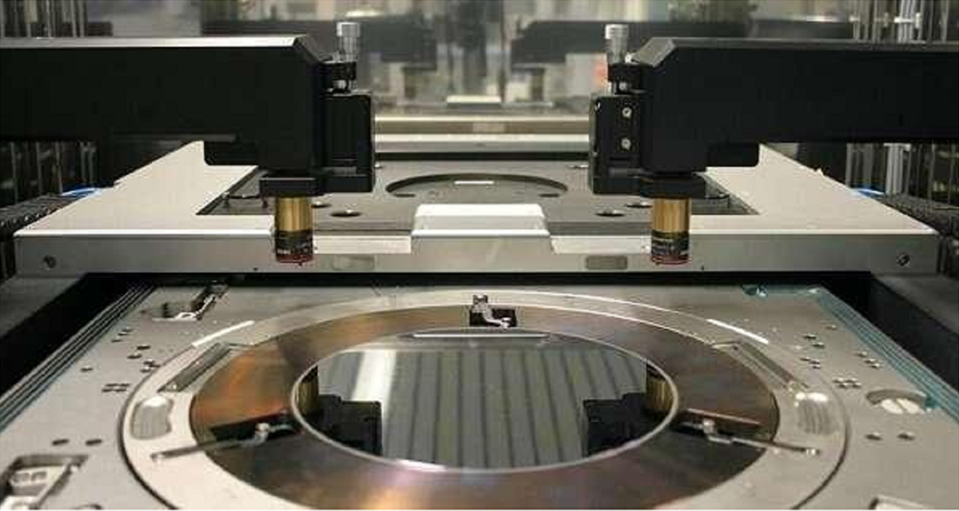
In high-volume MEMS production, one bad break can ruin your whole week. If an infrared tube bursts, you aren’t just dealing with downtime. You’re dealing with a rain of quartz shards and metallic grit landing right on your wafers. It’s a nightmare. That’s exactly why we built our IR drying heaters the way we did—to make sure a failure doesn’t turn into a catastrophe. Why do these tubes burst anyway? High-wattage lamps get incredibly hot. When you’re pushing them to keep up with fast drying cycles, the pinch seals take a beating from the thermal stress. Throw in a tiny impurity in the quartz or a sudden voltage spike, and the glass just gives up. In a basic setup, that tube shatters outward. Right onto your product. How we keep the mess contained We take a two-step approach here. First, we use high-purity synthetic quartz. It’s tougher and handles the thermal shock much better. Second, we put the heating element inside a protective quartz sleeve or a reinforced housing. Think of it as a safety cage. If the lamp inside decides to blow, the sleeve catches everything. The shards stay trapped in the housing, and your wafers stay clean. We also spent a lot of time on the electrical side. We use precision-fit connectors because arcing at the terminals is a silent killer. Arcing creates these tiny, intense hotspots that eat away at the quartz over time. Fix the connection, and you stop the weakness before it starts. The honest trade-off Now, look—adding a protective sleeve means there’s a physical barrier between the heat and the wafer. You lose a little bit of that direct infrared punch. You might find you need to bump up the power or let the wafers sit a few seconds longer to get them dry. But honestly? That’s a trade I’ll make every single time. Losing 5% of your heating speed is nothing compared to flushing $50k worth of sensors down the drain because a bulb popped. Just make sure you pair these with stable voltage regulation. It’ll make your tubes last longer and keep your yield exactly where it needs to be.