Making Bathroom Heaters That Actually Feel Safe
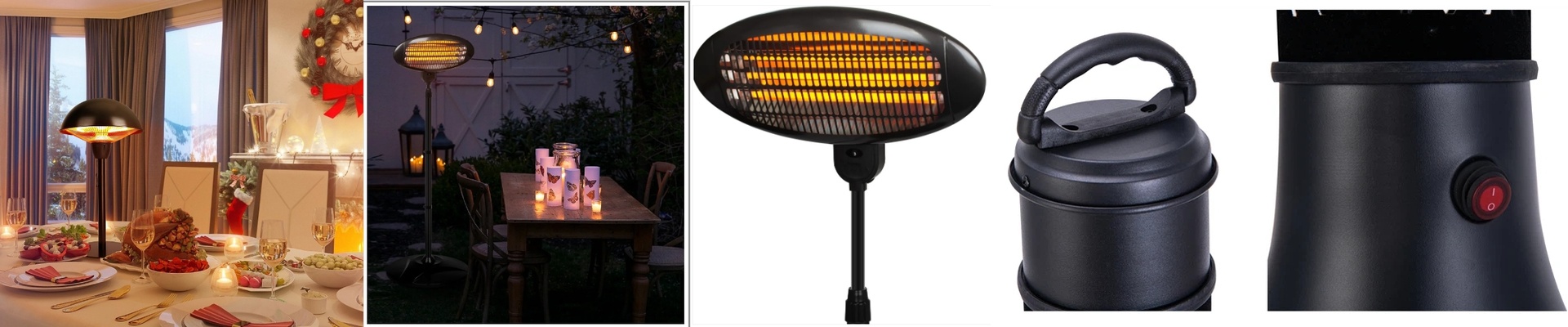
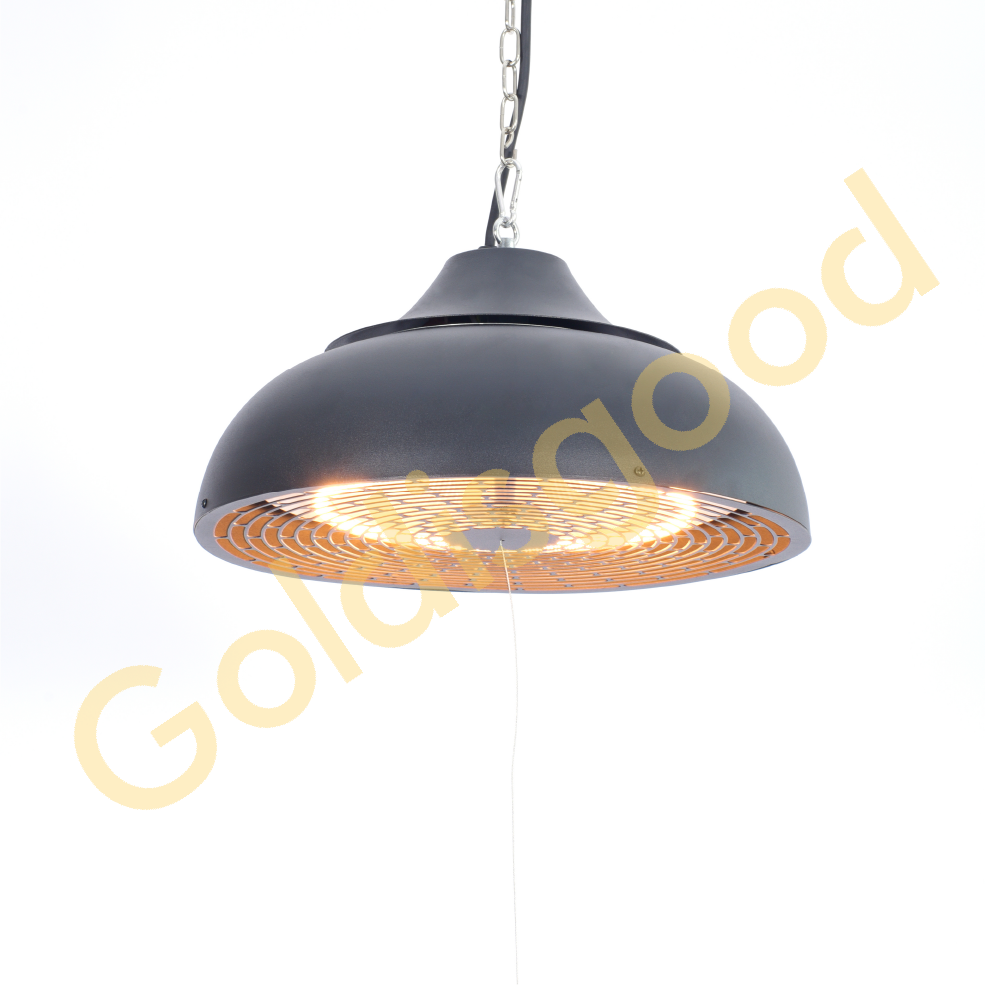
Putting a heater in a bathroom is about more than just making sure it doesn’t short out when things get steamy. It’s a bit trickier than that. Especially if you’ve got kids or babies around, you have to think about the light. You don’t want a heater that feels like a stadium floodlight staring you in the face while you’re trying to dry off. The Light Problem Most short-wave infrared lamps are just… blinding. It’s a harsh, bright glare that’s not great for the eyes. To fix this, we use coated quartz glass or special filters. Think of it like sunglasses for your heater. These filters block out that aggressive, high-frequency light and the glare that hurts your eyes. Now, here’s the trade-off: the filters do take away a tiny bit of the raw heating power. But honestly? It’s worth it. A softer light that doesn’t risk retinal damage is a much better deal than a few extra degrees of heat. Keeping the Water Out (and the Heat Moving) When you see “IP65,” it basically means the thing is sealed tight against dust and water sprays. We use tempered glass and high-temp silicone gaskets to make that happen. But there’s a catch. When you seal a box that tight to keep moisture out, the heat has nowhere to go. If you’re not careful, the internal electronics will just cook themselves. That’s why we use die-cast aluminum for the housing. It acts like a giant heat sink, pulling the warmth away from the guts of the machine so it doesn’t burn out. A Few Tips for Installation These are built to slide right into the spots where your old bathroom fixtures lived. We’ve used reinforced wiring because these things pull a lot of power the second you flip the switch. If you’re putting these in a really humid spot, just double-check your circuit breaker. These heaters need a lot of juice to get that “instant warmth” feeling. If your wiring isn’t up to the task, you’ll see the lamps flicker, and nobody wants that.