
Stop Heating the Air: A Smarter Way to Handle Semiconductor Thermal Processing
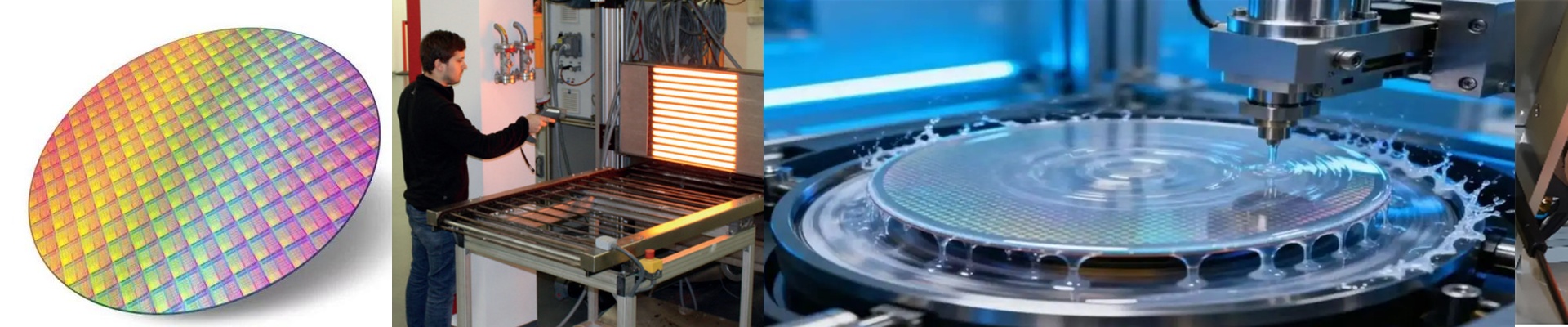
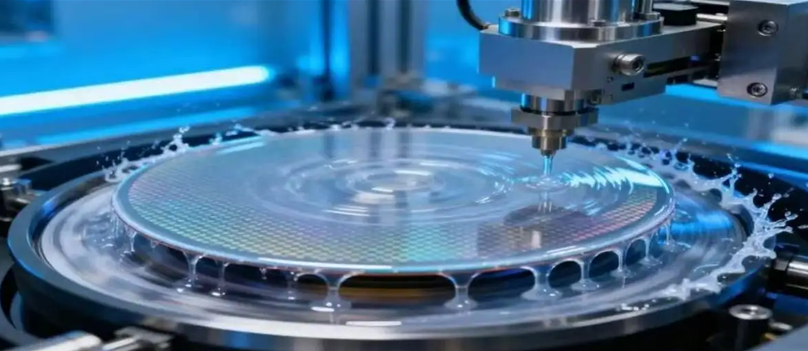
Let’s be honest about traditional resistive furnaces. They’re energy hogs. You end up spending a massive amount of power just to heat up the entire chamber volume, most of which doesn’t even touch the wafer. It’s a waste of electricity and a nightmare for your carbon footprint. We figured out a better way. Instead of heating the whole room, we use vacuum chamber infrared (IR) heaters to go straight for the target.
Why IR actually works
Here is the thing about IR radiation: it doesn’t need air or any other medium to move heat. In a vacuum, it’s pretty much the only way to get thermal energy where it needs to go without fighting physics. We tune these lamps to hit specific wavelengths that silicon and photoresist materials actually “want” to absorb. So, instead of wasting energy warming up the walls of your vacuum chamber, you’re putting the heat exactly where it belongs—on the substrate.
The balancing act: Power vs. Heat
If you need to anneal or cure something fast, you need high-wattage lamps. They get you up to temperature in a blink. But you can’t just crank the power and walk away. If you pack too much wattage into a tiny space, you’ve got to make sure your cooling jackets can handle the reflected heat. If they can’t, you’re looking at warped chamber seals, which is a headache nobody wants. It’s all about finding that sweet spot between voltage and wattage so your lamps don’t burn out halfway through a long production run.
Making the “Green Factory” thing actually happen
The biggest win here is the clock. Switching to IR means your warm-up time drops from hours to seconds. That’s where the real carbon savings are. You aren’t idling for half a shift just to get the equipment ready. Plus, you can hook these systems up to zoned controllers. This keeps the temperature steady and uniform across the wafer without needing to maintain a massive, hot bulk of metal. For the engineers trying to hit those “Green Factory” metrics, it’s a simple shift. Stop heating the void. Use targeted IR, drop your kWh per wafer, and actually make some progress on those sustainability goals.