


Stop Waiting on Your Oven: Why IR Curing Beats Hot Air
A lot of semiconductor lines are still stuck using hot air circulation for curing and drying. It’s the old-school way: move some air, heat it up, and just hope it actually gets deep enough into the substrate to do the job. The problem? It’s slow. Painfully slow. In a high-pressure fab, that’s not just a nuisance—it’s a massive bottleneck that kills your momentum. We’ve been swapping these clunky systems out for certified infrared (IR) curing lamps. Here’s why that shift changes everything.
Cutting out the middleman
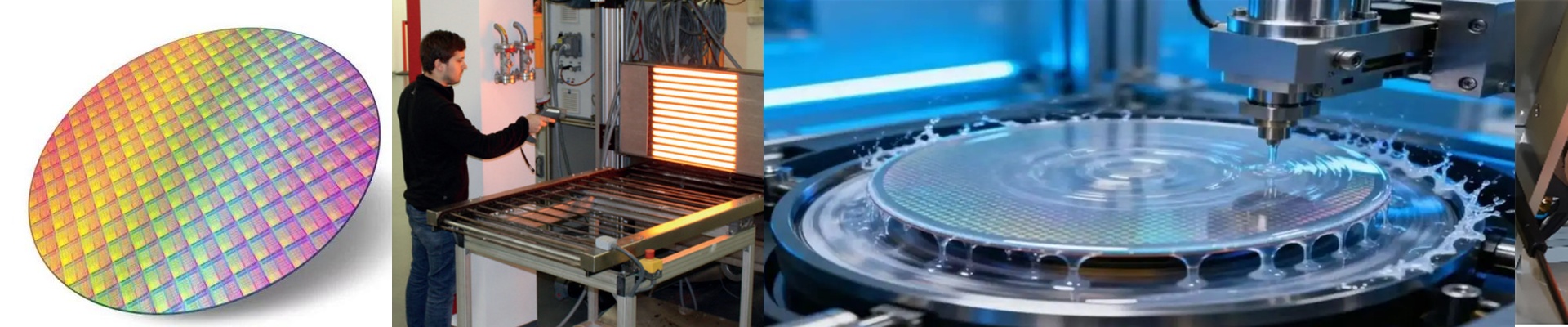
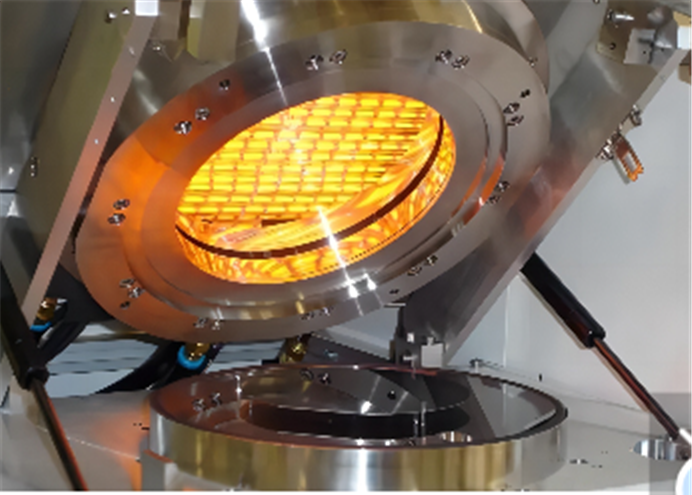
Think about how hot air works. The air has to touch the wafer, transfer the heat, and then wait for that heat to soak in. The air is basically a middleman, and middlemen always slow things down. IR lamps just skip that whole process. They send out electromagnetic waves that dive straight into the material. It’s instant. No “warming up” the room, no waiting for the oven to hit temp. For the engineers on the floor, this is a dream because the time spent per unit plummets. We’re seeing cycle times drop by 50% to 80%, depending on how thick your material is and how hot you need it to get.
The “Catch” (and how we handle it)
Now, IR isn’t magic. It’s powerful. Because short-wave lamps pack so much energy into a small space, you can actually scorch the surface if your conveyor belt is moving too slowly. You can’t just “set it and forget it.” You need PID controllers that can keep up with those rapid temperature spikes. We also know that “clean” means actually clean in a fab. That’s why our quartz envelopes are certified for low outgassing. You don’t have to worry about random particles ruining a batch of wafers.
Saving your floor space
Beyond the speed, there’s the sheer size of the gear. Hot air ovens are usually giant, hungry boxes that eat up way too much expensive floor space. An IR curing tunnel, on the other hand, is slim. If you’re trying to scale up, you can’t afford to let forced-air systems lag behind. You just wire up the IR array, dial in the distance to the substrate, and suddenly your throughput jumps. It’s a much leaner way to work.