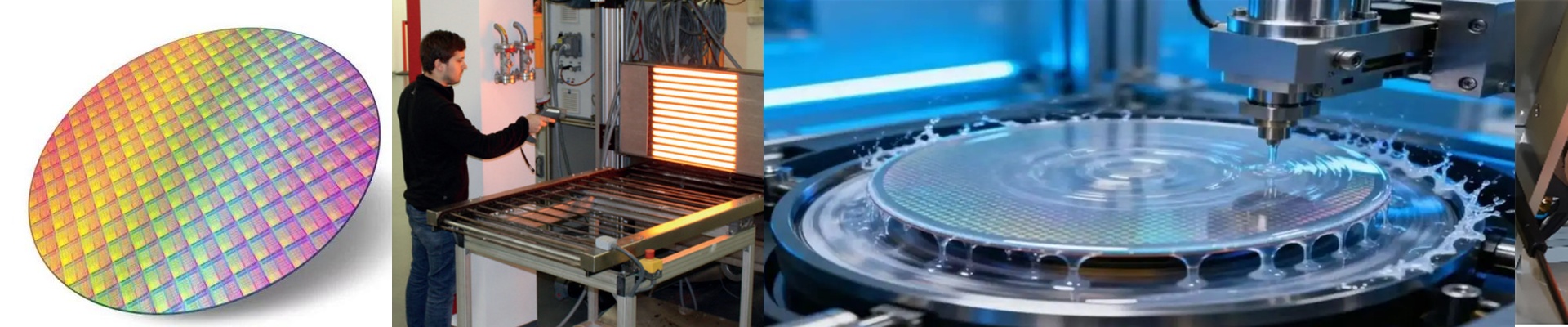

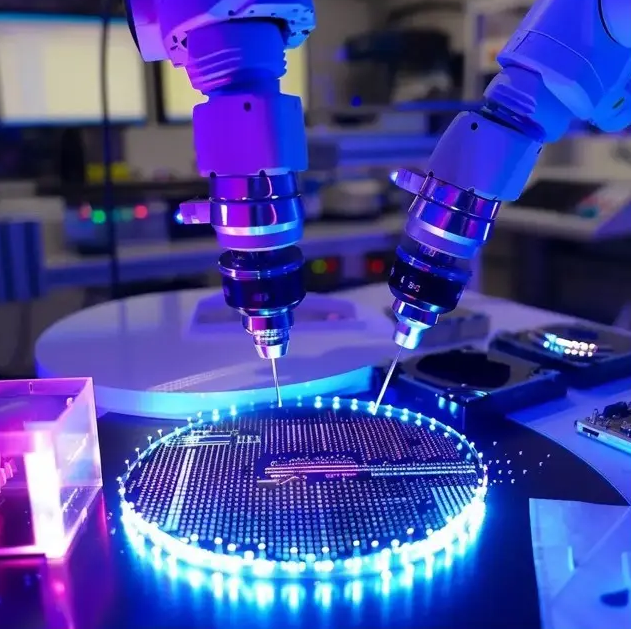
On the fab floor, photoresist bake isn’t a “nice-to-have.” It’s a hard constraint. A 2°C drift in the hot zone will shift critical dimension bias fast, and the line won’t tolerate the kind of excursions that used to get justified. We built our infrared quartz lamp for wafer processing around that reality: temperature that stays put, shift after shift, day after day. What matters, technically The lamp uses short-wave infrared quartz to drive heat straight into wafers and carriers—fast, direct coupling. It’s engineered for repeatability: tight thermal uniformity across the illuminated zone, and stable emissivity over the life of the lamp. That matters when the thermal budget is narrow in lithography bake steps, including soft bake and hard bake, and you can’t afford added particle load. The system sits comfortably in Class 1–100 cleanrooms and drops into standard semiconductor equipment footprints. Why it holds up in production You feel the difference where it counts. Tighter temperature control improves critical dimension uniformity and cuts rework. Faster ramp-up trims cycle time, and stable setpoints reduce scrap from photoresist profile shift. Energy use drops because the lamp heats on demand and holds efficiently. Reliability is proven in 24/7 operation, with maintenance intervals you can plan around. Fewer surprises. More predictable yield. Here are the details that matter Installation is straightforward, but alignment is not optional. Reflection geometry and lamp-to-substrate distance directly drive uniformity, so you have to verify the setup on first fit. The lamp runs at high intensity, which means interlocks and shielding need to be treated with respect. Expect a warm-up period to hit setpoint stability, and schedule calibration windows to keep traceability intact. That’s not bureaucracy. It’s how you keep the process in control.