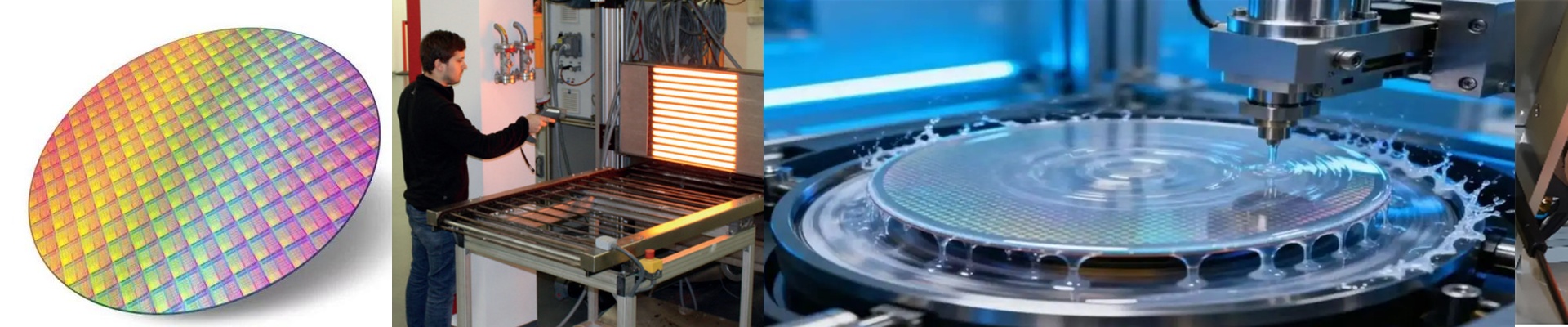
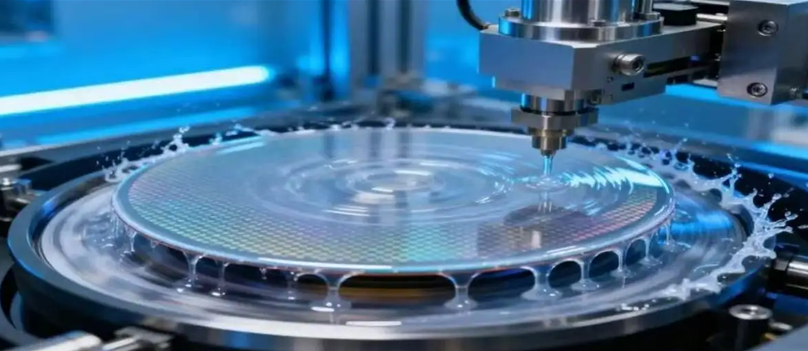
Out on the lithography floor, the bake profile—soft bake and hard bake—sets the tone for critical dimension control and photoresist shape. A 5°C swing in the hot zone and you’re handing away yield on the etch layer. We built the semiconductor infrared heating lamp to take that variability off the table. What matters, technically It’s short-wave infrared, so the response is fast—sub-second. You get precise energy delivery straight to the wafer. Across the chuck, wafer-level uniformity holds within ±0.1°C, which is what keeps the bake repeatable, shot after shot. The lamp runs clean, with zero particles, and fits Class 1–100 cleanrooms without drama. For uptime, the output is stable around the clock; units have run 5,000+ hours while staying under 5% output deviation. Why it fits in real processes Drop it straight into the lithography track or a stand-alone bake station. It replaces the legacy kit that fights temperature overshoot—the kind that gives you skin formation in the resist. The payoff is a consistent bake that keeps the photoresist profile intact, so etch selectivity behaves and defects drop. The quick thermal response also cuts process time, lowering the thermal budget per wafer and pushing throughput up. What you need to plan for Installation needs a dedicated, stable power supply and solid thermal management on the fixture to keep that uniformity where it should be. The lamp holds up, but the quartz envelope still demands careful handling during maintenance. Schedule replacements around planned cleanroom downtime, and you avoid unplanned stops. Do that, and the process stays under control, cycle after cycle.