



Keeping Your Class 100 Process Actually Clean
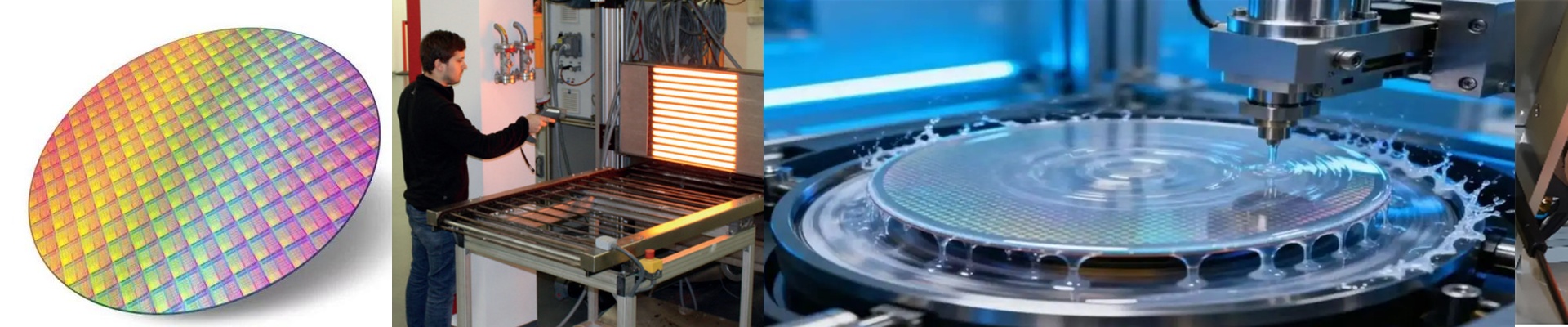
If you’re running a Class 100 (ISO 5) cleanroom, you already know the nightmare of a single stray particle. One tiny flake of oxidation or a bit of outgassing from a heating element, and your wafer or optical component is toast. Standard resistive heaters are usually the culprit here. They flake. They oxidize. They just aren’t built for this level of precision. That’s why we stick with high-purity synthetic quartz infrared lamps. Why quartz actually works We use fused silica quartz for the envelope. The beauty of it is that it doesn’t break down or spit out microscopic debris, even when you’re pushing it to extreme temperatures. Plus, the heat moves via shortwave infrared radiation. Instead of heating up all the air around your part—which creates currents that kick up dust—the energy goes straight into the workpiece. Less air movement means a much cleaner product. It’s simple, and it works. The nitty-gritty on setup These lamps can handle a ton of heat density. We can do anything from a small 100mm tube for a quick localized cure to a massive 500mm array if you’re heating a full wafer. We scale the wattage to fit the space you have. One thing to watch out for: the connectors. We use R7s or SK15 to keep things tight. You don’t want a loose connection. A loose fit can cause an arc, which doesn’t just kill the lamp—it dumps metal vapor right into your cleanroom. And nobody wants to deal with that cleanup. Depending on what you’re heating, you might want different coatings. Clear quartz gives you that raw, shortwave power. But if you’re worried about hot spots and want a more even spread, we can add a thin-film coating to smooth things out. A few warnings from the field Quartz lamps are fast. They hit their temperature almost instantly. But they run hot. If you cram a high-density 2000W array into a tight box, your cooling fans need to be up to the task. If the air doesn’t move around the lamp ends, you’ll fry your connectors. Also, double-check your wiring. Keep it well away from the radiation zone, or you’ll be looking at melted insulation.