
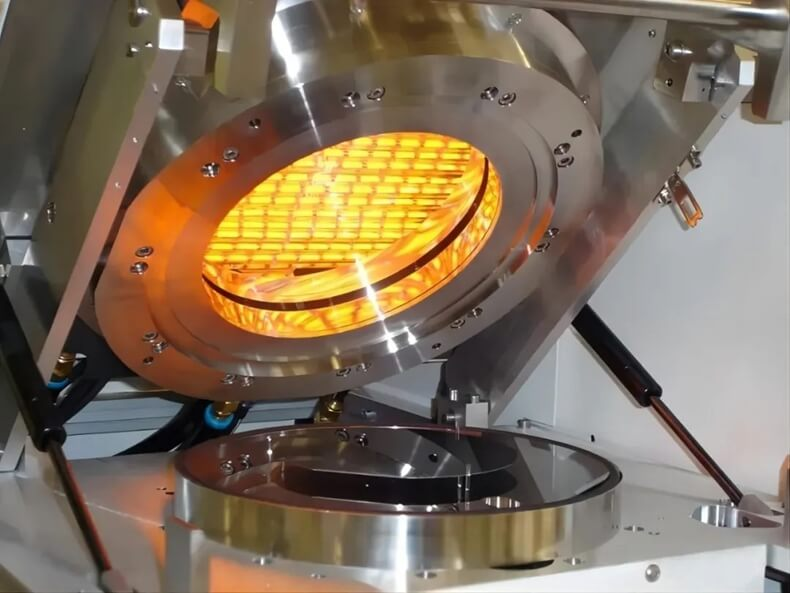
Why Infrared Curing Just Makes Sense for Lead-Free Semiconductors
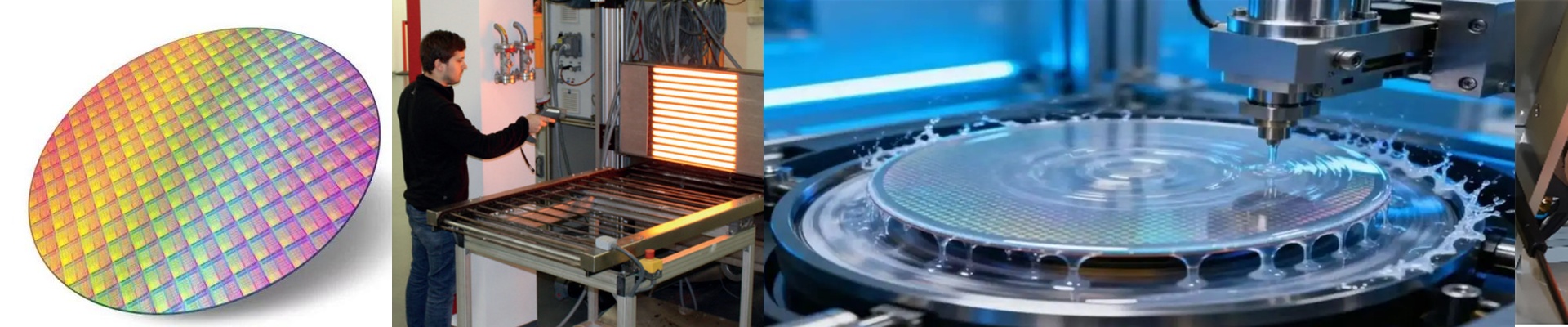
The semiconductor world is pushing hard toward “green” and lead-free standards. That sounds great on paper, but in the actual shop, it’s a headache. For a long time, we’ve relied on big convection ovens. The problem? You’re basically heating up a massive mountain of air just to get a tiny wafer warm. It’s a waste of power, and frankly, it’s a great way to accidentally contaminate your parts. That’s why we switched to digital infrared (IR) dryer controllers. Instead of heating the air, IR goes straight for the substrate. No middleman. No wasted energy.
The Magic of Direct Heat
Think of it like the sun hitting your skin on a cold day. You aren’t waiting for the air around you to warm up; you feel the heat instantly. IR curing works the same way. It sends photons that make the molecules in your coating or adhesive vibrate. This means you hit your curing temps in seconds. You stop fighting the heat loss from thick oven walls, and your power bill actually starts to look reasonable. Plus, with digital controllers, we can tune the wavelength. By matching the output to exactly what your lead-free solder or resin needs, you can heat the bond without baking the rest of the PCB. No more worrying about your boards warping.
Keeping Things Steady
In this business, a 5°C spike is the difference between a perfect batch and a pile of scrap. Old-school heating tends to “overshoot”—it gets too hot before it settles. We use PID-based digital controllers to stop that. They modulate the power to the lamps in real-time, keeping the temperature in a very tight, safe window. And the best part? Your floor space. An IR station is tiny compared to those massive tunnel ovens. You finally get some breathing room in your cleanroom.
The Honest Trade-offs
Look, IR isn’t a magic wand. It’s “line-of-sight.” If your parts have weird shapes, deep holes, or hidden recesses, the IR waves won’t reach them. They’ll stay cold. To fix that, you’ll need to get creative—maybe a rotating jig or a multi-angle lamp array—to make sure every inch gets hit. One more thing: these high-intensity lamps get hot. And I don’t just mean the light. The terminals can really take a beating. If you’re running 24/7, make sure your wiring is rated for the load. You don’t want a burnt-out cable killing your productivity on a Tuesday morning.