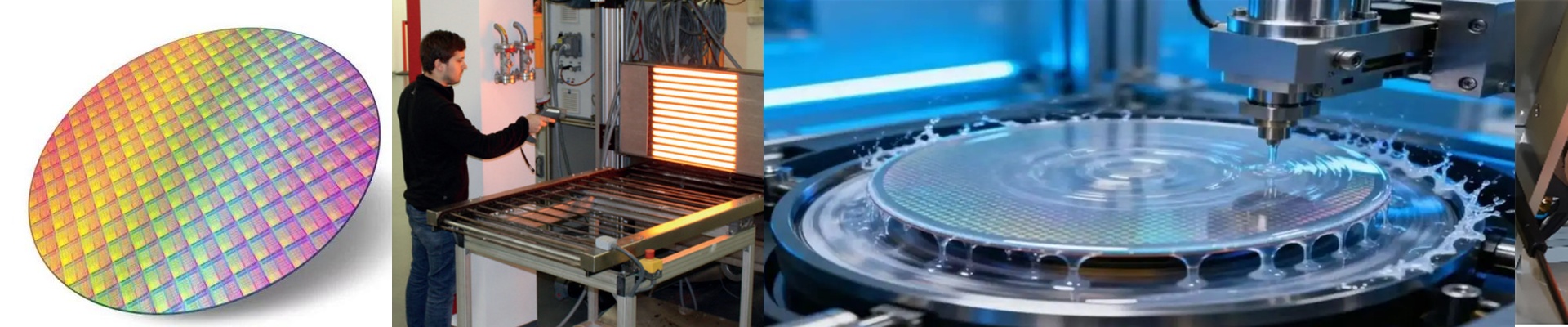

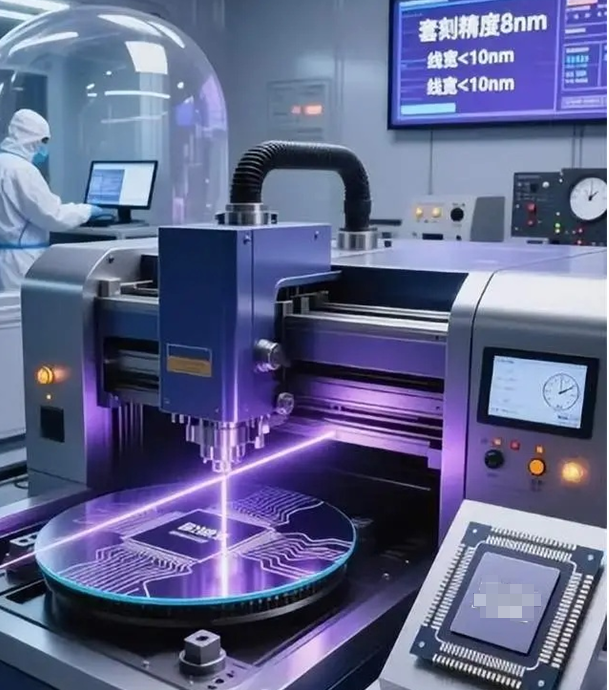
A Smarter Way to Cure in the Cleanroom
If you’ve spent any time in a semiconductor fab, you know the headache of trying to dry photoresists or cure adhesives without messing up your air quality. Usually, that means relying on forced hot air. But here’s the thing: pushing hot air around a cleanroom is a nightmare. You end up fighting your HVAC system just to keep your ISO standards from tanking. That’s where infrared (IR) lamps come in. Instead of heating the entire room, IR lamps shoot energy straight into the part. It’s direct. It’s clean. And because you aren’t running massive blowers and heating elements all day, your energy bill actually looks reasonable. Plus, these lamps hit their operating temp in seconds. You aren’t just sitting there wasting kilowatts while you wait for an oven to warm up. It’s just… easier on the planet. The tricky part? The setup. You can’t just throw any lamp on a bench. We use quartz envelopes because the last thing you want is “outgassing” contaminating a wafer. One tiny impurity and the whole batch is scrap. You also have to be smart about the wavelength. You want the energy to hit the target material, not soak through and fry the circuitry underneath. And for heaven’s sake, watch your heat density. If you get too aggressive with the wattage to speed up your throughput, you’ll end up with hotspots or, worse, a warped substrate. I always recommend a solid PID controller and a thermocouple feedback loop. It keeps your temperature window within 2°C, which saves you from a lot of heartache. Why bother switching? Aside from the science, it just makes sense for your floor space. An IR bench is way smaller than a convection oven. It’s a simple swap that usually cuts energy use by 30% to 50%. Wiring it up is a breeze, but a quick tip: check your power supply. These things have a nasty inrush current when they first kick on, and nobody wants to spend their afternoon resetting tripped breakers.