
Stop Turning Your Fab Equipment Into an Oven
Most standard heating elements are kind of messy. They throw heat in every single direction—360 degrees of energy just spraying everywhere. In a clean room, that’s a nightmare. When you’re blasting heat in all directions, the inner walls of your expensive machinery just soak it up. You end up with “hot walls,” which is a double whammy: your operators might get burned, and the tool itself can actually start to shift or warp because of the thermal expansion. Not ideal.
Pointing the Heat Where It Belongs
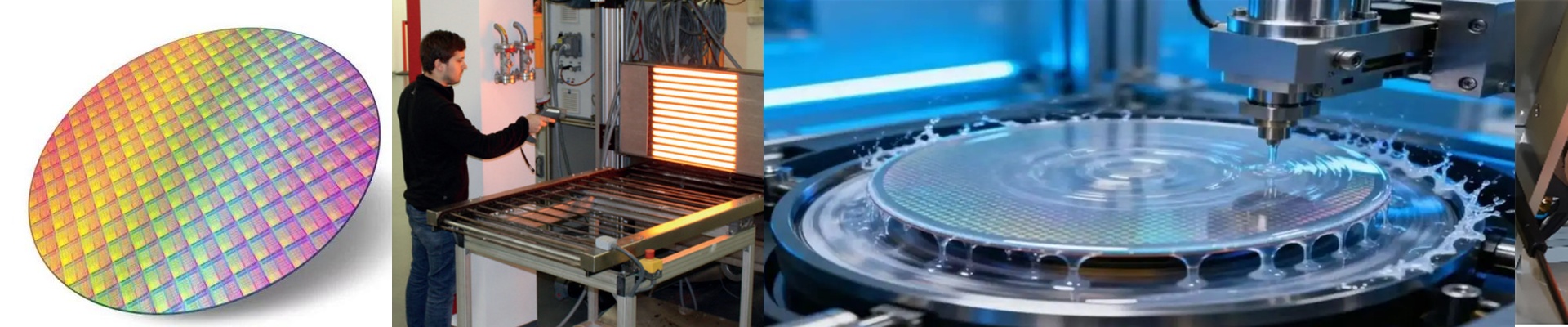
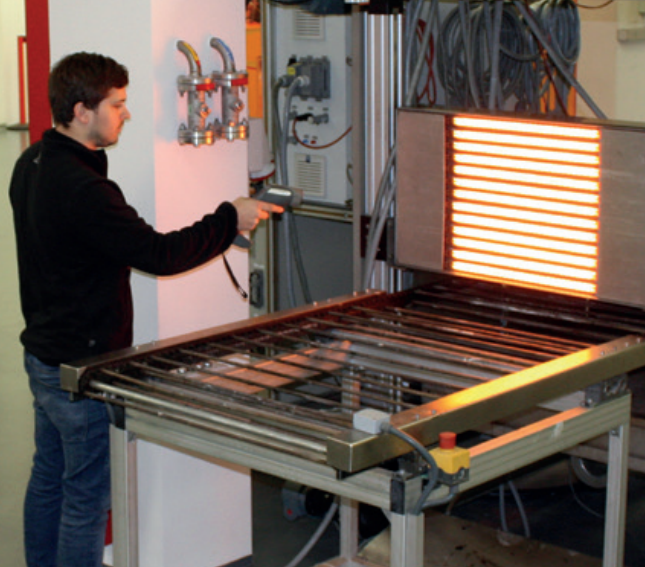
We handle this by using directional IR lamps. Instead of just using a bare quartz tube and hoping for the best, we use specialized reflectors and coatings. Think of it like a flashlight instead of a lightbulb. We push that IR energy straight toward the wafer or substrate. The heat goes exactly where it needs to be. Because we’ve narrowed the beam, the equipment chassis stops acting like a giant sponge for wasted heat. You get your target temperature without turning the inside of your machine into a sauna.
The Catch (And How to Handle It)
These lamps are designed to slide right into your existing heating arrays. We’ve made sure they ramp up fast, so you aren’t losing throughput while waiting for things to warm up. But here’s the thing: when you concentrate heat into a tight beam, it getsintense. If your lamp is off by just a few millimeters, you might overshoot your temperature setpoint. It’s a precision game. You’ll want to make sure your PID controllers are tuned to handle that extra density, or you’ll be fighting the settings all day.
Keeping Your Team Safe
At the end of the day, keeping the walls cool isn’t just about saving a few bucks on the power bill. It’s about the people. When the interior stays cool, your techs aren’t risking a nasty contact burn during a quick maintenance check or an emergency fix. Plus, your HVAC system doesn’t have to work overtime to fight the heat spikes during high-power cycles. Everyone breathes a bit easier.