

Getting Your Wafer Heating Right
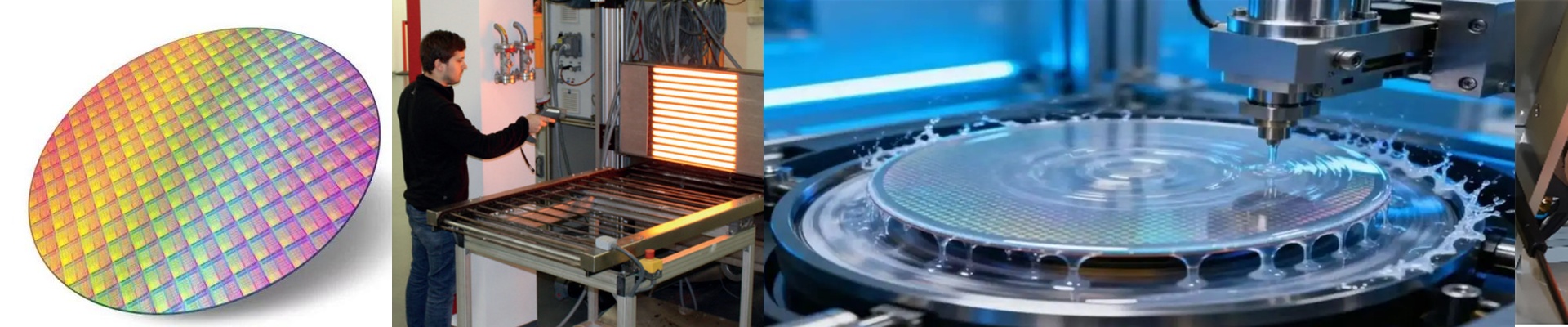
If you’ve spent any time in a semiconductor cleanroom, you know the struggle. You need your heating trolleys to be perfectly uniform across the wafer, but you can’t have any contamination messing things up. It’s a tightrope walk. Most people start with aluminum reflectors, but the problem is they soak up too much of the infrared spectrum. You’re basically paying for energy that never reaches the wafer. That’s where gold coatings come in.
Why Gold?
It sounds fancy, but it’s really just about the physics. Gold reflects about 98% of long-wave infrared radiation. Think of it this way: instead of the heat leaking into the trolley chassis and wasting power, the gold layer bounces those photons straight onto the wafer. You get more heat exactly where you need it without cranking up the wattage. It’s efficient. Simple as that.
Managing the Heat
Here is the tricky part. High-wattage IR lamps create a massive amount of heat density. If your reflector geometry is off by even a few millimeters, you’ll get hot spots. And a hot spot is a fast track to a warped wafer. To keep things clean, we use high-purity quartz lamps. No outgassing, no mess. But keep an eye on your cooling. Since the gold reflectors are pushing so much energy forward, the back of the lamp housing can still get scorching. If your ventilation isn’t up to the task, you’re going to trip thermal sensors or, worse, fry your nearby electronics.
Real-World Setup
When it comes to the shop floor, it’s all about the alignment. We designed these as drop-in replacements, so you aren’t staring at hours of downtime. You just wire them into your current controllers and you’re good to go. You’ll notice the ramp-up time to your target temperature is way faster. One word of warning, though:gold hates fingerprints. If you leave a smudge of skin oil on that coating, it’ll burn right in during a heat cycle. That leaves a permanent dark spot, which kills your heat uniformity. So, please—keep them clean.