
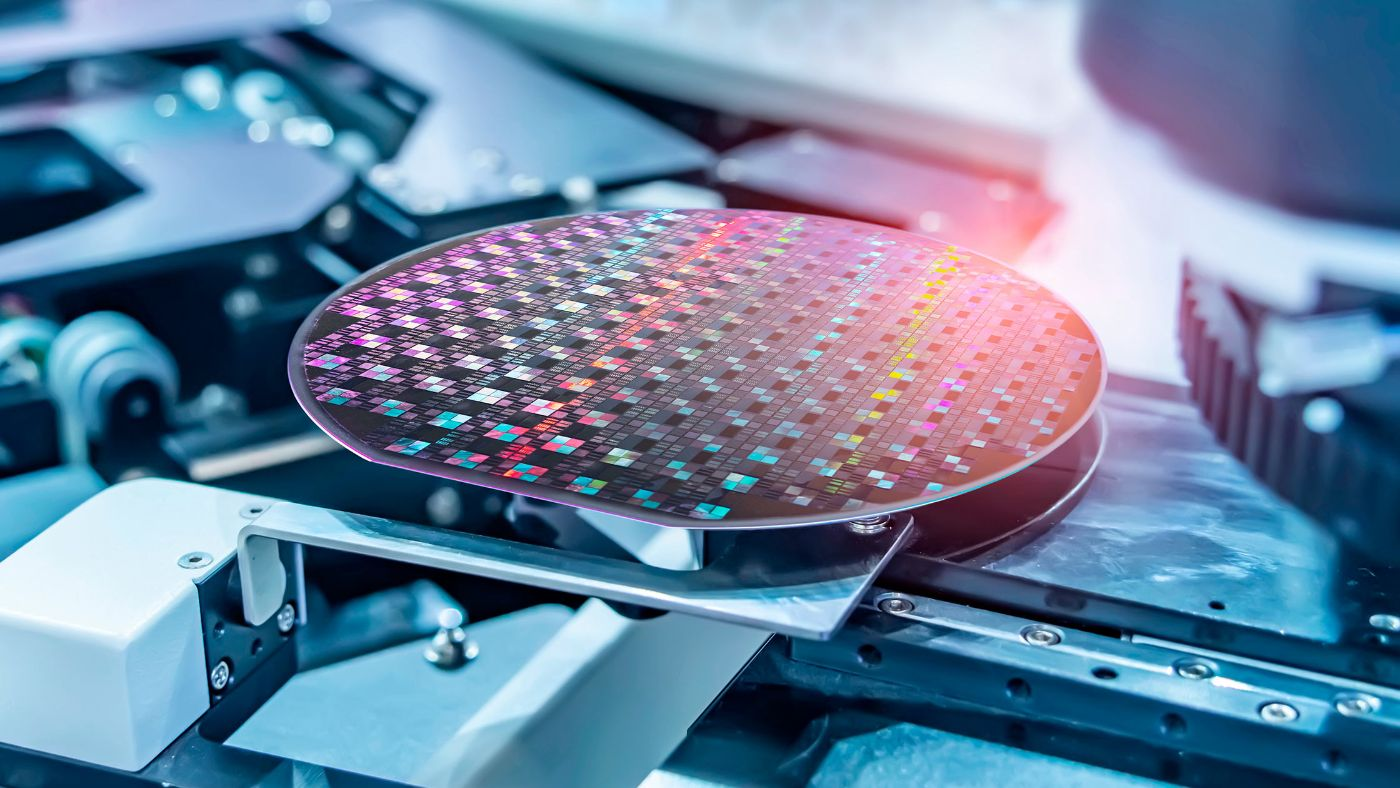
Stop Letting Burst Lamps Kill Your Wafer Runs
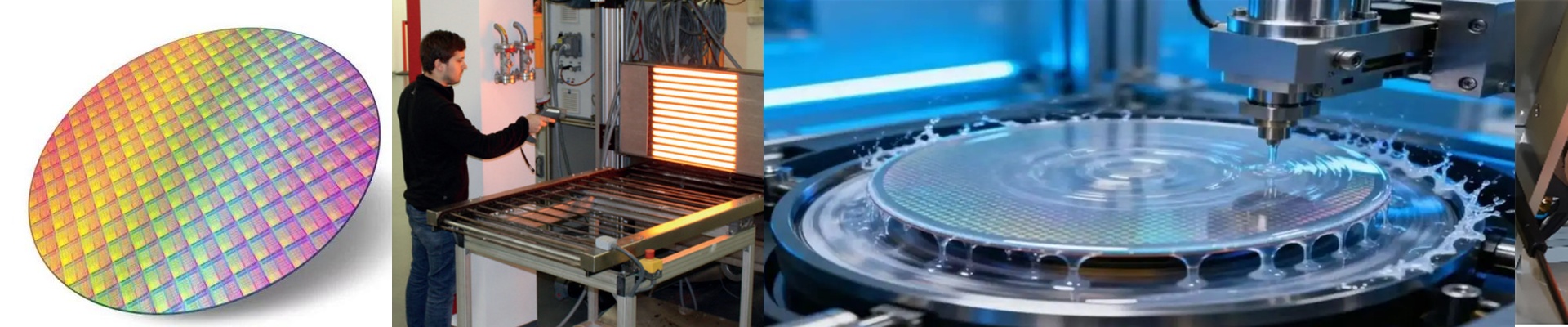
If you’ve ever had an IR lamp burst during a high-load run, you know exactly how it feels. It’s a stomach-sink moment. It isn’t just about the downtime. It’s the quartz shards and metal bits raining down on your wafers. One pop, and suddenly you’re scrapping an entire batch because of secondary contamination. It’s a mess, it’s expensive, and it’s completely avoidable. That’s why we build our heating systems to break that failure chain. The secret is in the aluminum. We use high-purity aluminum reflectors, but they do more than just bounce heat back toward the wafer to keep things efficient. They actually act as a thermal buffer. We’ve tweaked the geometry so the heat doesn’t soak back into the lamp ends. This keeps the quartz-to-metal seal from getting cooked during those high-wattage cycles, which is usually where things go wrong. But what if a lamp still pops? Here’s the thing: we don’t just hope for the best. We assume things might break. We’ve built in a physical containment strategy—basically a protective shield or specialized housing—that catches fragments the second a tube burns out. Instead of those shards landing on your substrate, they stay trapped inside the housing. It’s a simple safety net that saves a lot of headaches. A quick heads-up on the heat. Pushing quartz to its limit for high-density output is always a balancing act. Because these safety housings are there, they can shift the radiation pattern just a little bit. You’ll probably need to tweak your PID controllers to account for that slight change in heat distribution compared to an open-lamp setup. It’s a small trade-off for the peace of mind. We build these for 24/7 grinding. When you pair high-reflectivity aluminum with a “containment-first” design, you stop worrying about a single lamp failure ruining a million-dollar run. Just wire it up, set your thresholds, and let the housing take the hit.