Why You Need Explosion-Proof Quartz for Humid Spaces
If you’ve ever put infrared heaters in a bathroom or a nightclub patio, you know the vibe. It’s a mess of steam, splashing water, and electricity. Not a great combo. Standard quartz tubes just can’t handle it. One stray drop of cold water hits a red-hot tube, and crack—the glass shatters. It’s not just a broken part; it’s a safety nightmare. That’s why we stick with explosion-proof quartz.
What’s actually happening here?
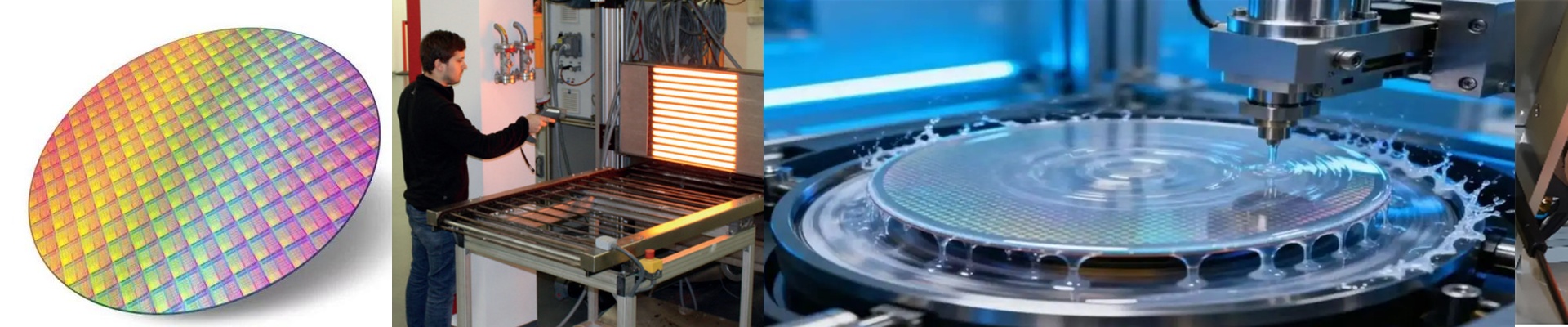
Most heating lamps use basic fused quartz. It’s great for heat, but it’s brittle. When the temperature drops instantly—like when a splash of water hits it—the glass gives up. Explosion-proof tubes are different. They go through a tempering process and have thicker walls. This makes them tough. They can take the hit from cold water or high-pressure steam without falling apart. If there’s moisture in the air, this is the only way to go.
Getting the heat right
These lamps use short-wave infrared. Instead of trying to warm up the air—which is impossible on an open patio—the heat goes straight to the person. It’s an instant, cozy feeling. But you have to be smart about the power. Make sure your voltage and wattage actually match your driver. If you go for a high-wattage tube, you get heat fast. But be careful. If you’re pushing 2000W or more in a small space, things get hot.**Really hot.**Make sure your housing has plenty of airflow, or you’ll end up melting your plastic mounts.
The messy reality of installation
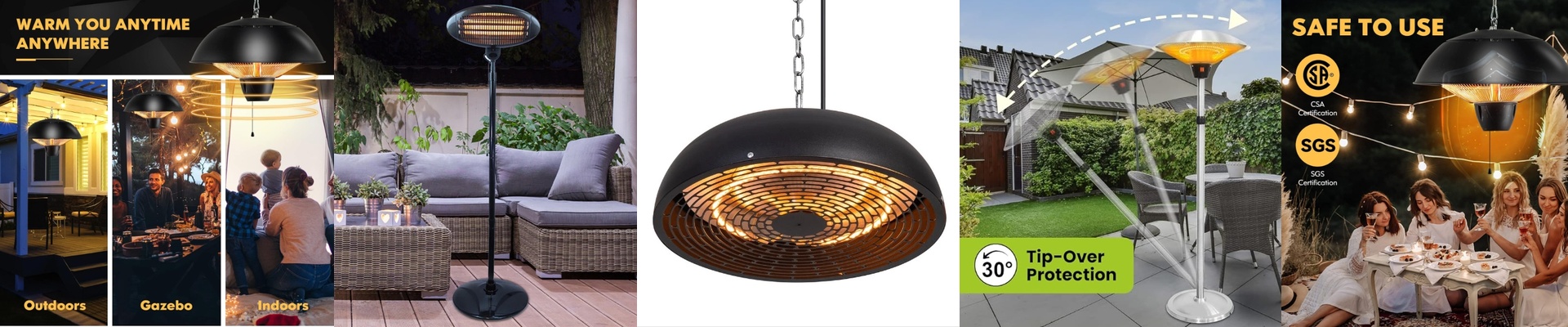
Here’s the thing: a tough tube isn’t enough. You have to seal everything. We always suggest IP65-rated enclosures. If the seal on the lamp holder leaks, moisture gets in, the internal filaments oxidize, and your expensive lamp burns out in a few weeks. It’s a waste of money. These tubes usually drop right into standard IR fixtures, but keep in mind that tempered glass is heavier.**Check your clips.**Make sure they’re tight. If a tube is loose, it vibrates, creates friction, and eventually snaps. Simple stuff, but it’s the difference between a heater that lasts years and one that fails on opening night.