

Why We Obsess Over IP55 for Our Outdoor Heaters
Let’s be honest: the outdoors is a nightmare for electronics. Between the salt air, the random rain showers, and the dust that seems to get into everything, your heating elements are basically under attack the moment you hang them up. Most heaters don’t die because they’re “old”—they die because the environment eats them alive. That’s why we went with an IP55 rating.
What does “IP55” actually mean for you?
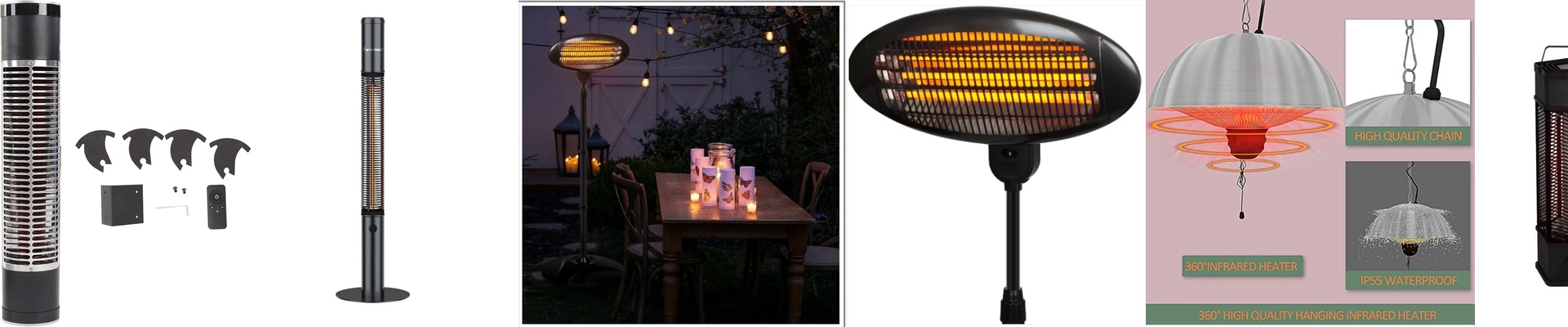
Forget the technical manuals for a second. Here is the real-world version. The first “5” is all about the dust. We’ve built the chassis to keep the gritty stuff out of the electrical guts. The second “5” is the important part: it means the unit can take a beating from water jets coming from any direction and keep on ticking. We make this happen with industrial-grade gaskets on the junction boxes and cable entries that actually keep moisture out. Why bother? Because when water sneaks in, things go south quickly. You get short circuits, corroded terminals, and that nasty oxidation on the contact points. By blocking out the splashes and the fog, we keep the electrical resistance low.It just lasts longer.
The battle against the fog
Here is a weird problem most people don’t think about: condensation. Infrared lamps get incredibly hot, but the air around them is freezing. That temperature gap creates fog on the reflector. If your reflector is clouded over, your heat doesn’t “throw”—it just hits a wall of water droplets and stops. To fix this, we used specific aluminum alloys and treated coatings. It keeps the optical path clear, so the heat actually hits you instead of getting absorbed by a layer of mist.
One quick heads-up on installation
There is a trade-off here. Because we’ve sealed the unit so tightly to keep the water out, the heater can’t “breathe” as easily as a cheap, open-air model. This means you can’t just cram the unit into a tight, enclosed soffit. If you crowd it, the internal components—especially the capacitors—will run too hot, and that’ll shorten their lifespan. **Give it some breathing room.**Follow the clearance guides, and your heater will stay happy for years.