

Stop the Bathroom Mold Before It Starts
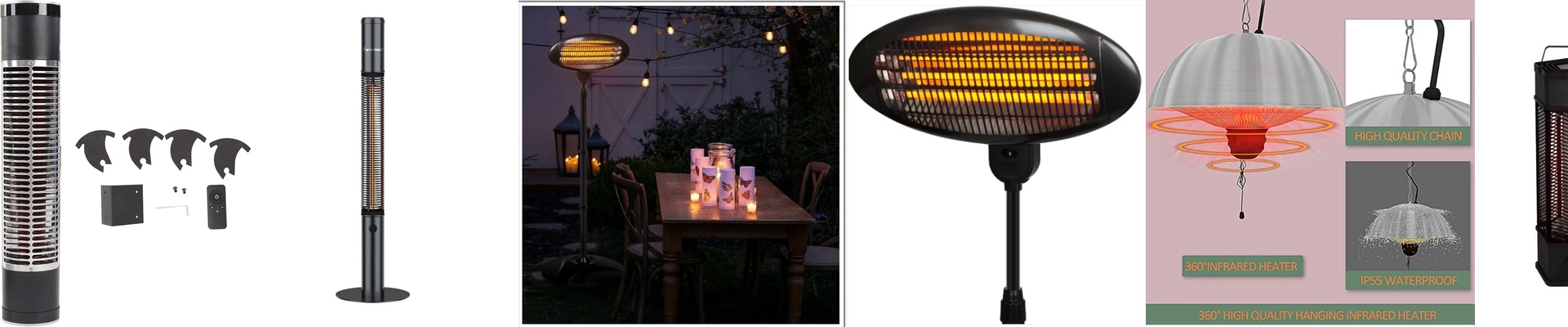
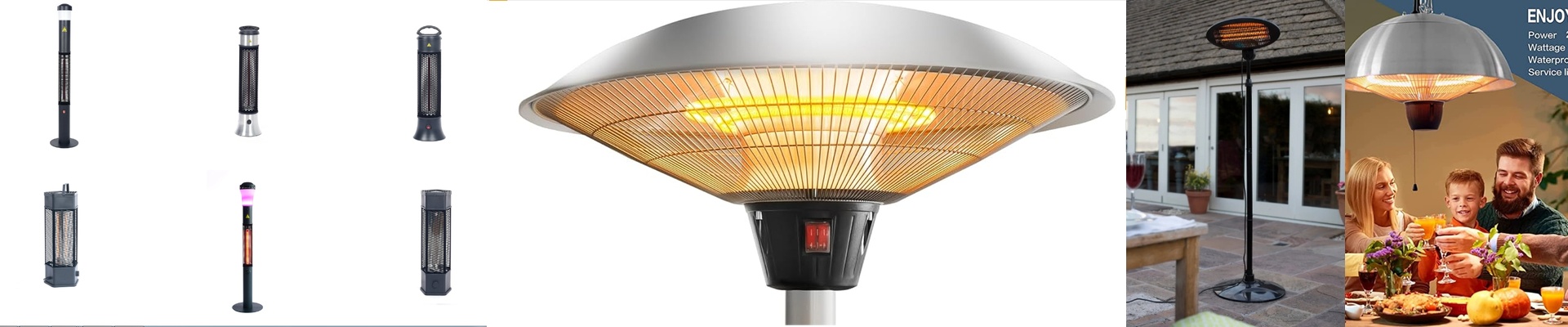
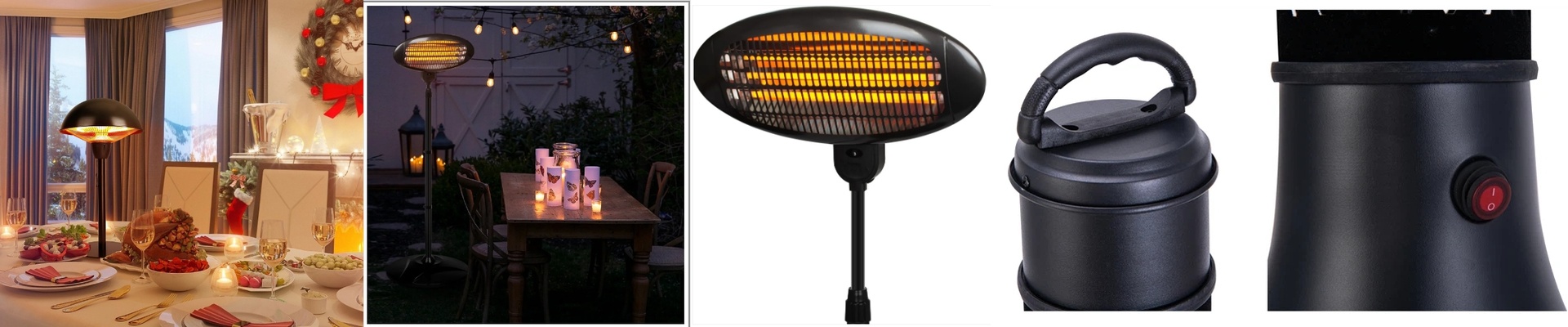
Most people think of bathroom heaters as a way to keep from shivering when they step out of the shower. But we looked at them differently. We wanted something that does more than just stop the chill. That’s why we went with IP65-rated infrared. It doesn’t just warm your skin—it actually goes after the moisture hiding in your walls to kill mold before it even has a chance to move in.
How the heat actually works
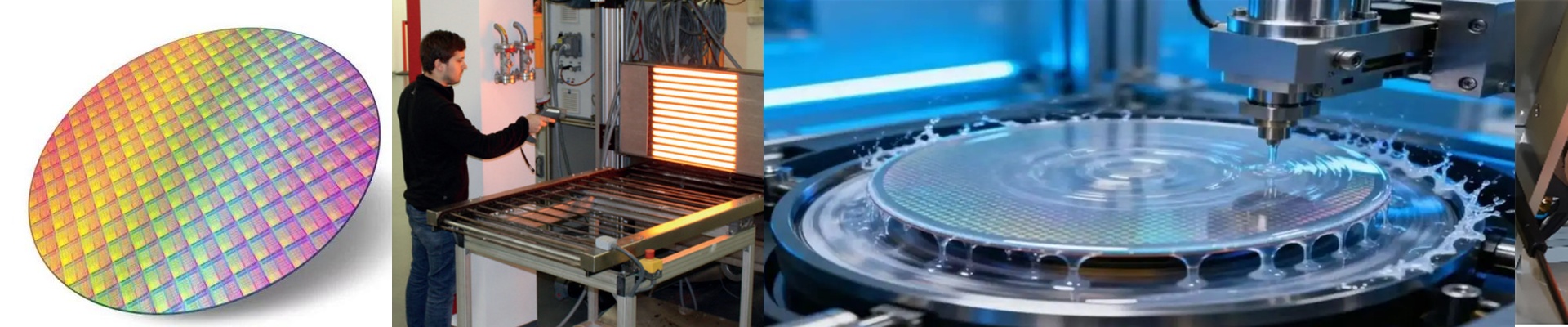
Here is the secret: we use short-wave infrared (SWIR) emitters. Standard heaters just warm up the air, which is fine, but it’s slow. Our lamps work differently. They send out radiation that sinks right into the moisture on your walls and ceilings. It basically shakes up the water molecules, forcing them to evaporate way faster than they would on their own. It’s like a fast-forward button for drying. It gets deep into the porous grout and sealants—the exact spots where mold spores love to hang out—and dries them out completely.
Keeping things safe and dry
Water and electricity are a nightmare pairing. To keep things safe, we built these units to IP65 standards. In plain English? The housing is dust-tight and can handle water jets hitting it from any angle. We used high-temp silicone gaskets and tempered glass seals because steam is sneaky. It finds every little gap it can, but these seals keep the circuitry bone-dry. One quick heads-up on the power side of things. These infrared arrays provide instant heat, which is great, but they pull a decent amount of power. If you’re putting a few of these in one small room, just double-check that your wiring can handle the peak load. You don’t want to be tripping your breakers every time you turn the heat on.
A few things to keep in mind
Infrared is fast. Like, really fast. But there is a catch. It only heats what it can “see.” If you have a deep alcove or a weird corner that the lamp can’t hit, that spot is going to stay damp. Placement is everything here. You have to position the lamps so they have a direct line of sight to the areas that get the most steam. Get the positioning right, and you’ve got a dry room. Get it wrong, and you’re still fighting a moldy corner.