
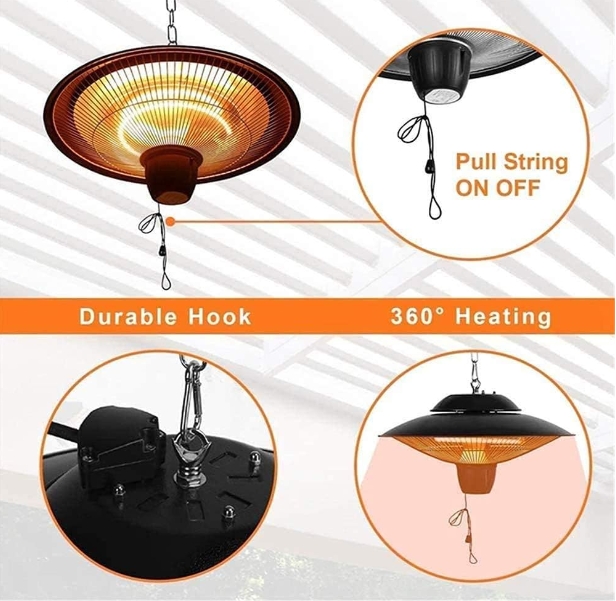
Making Your Patio Heaters Actually Smart
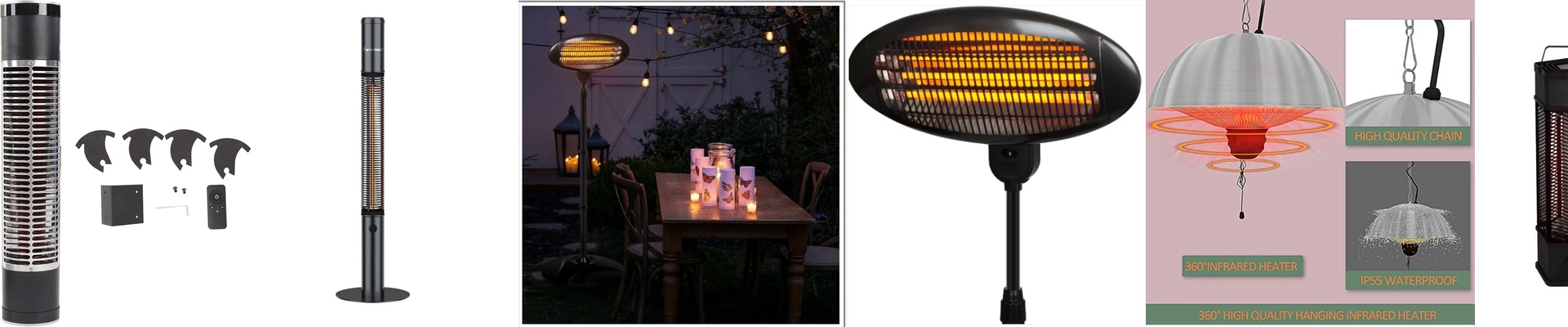
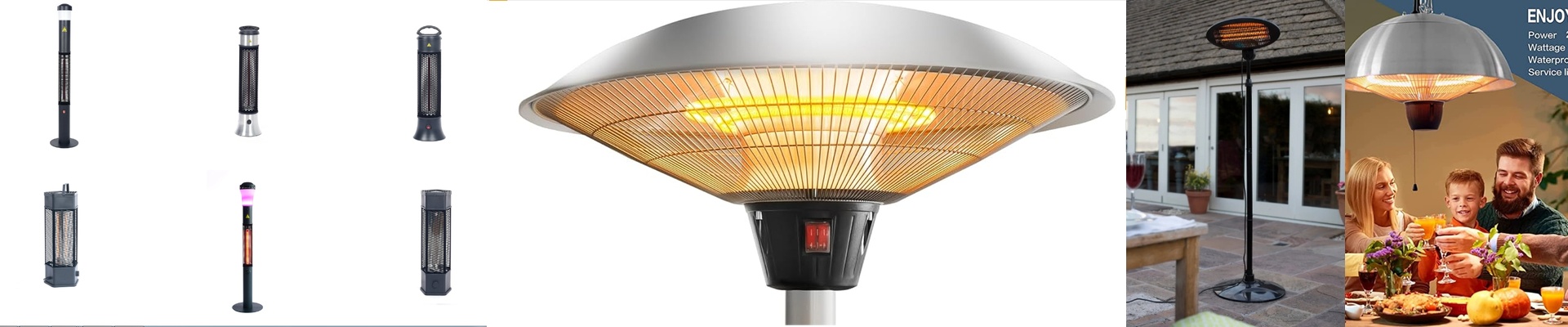
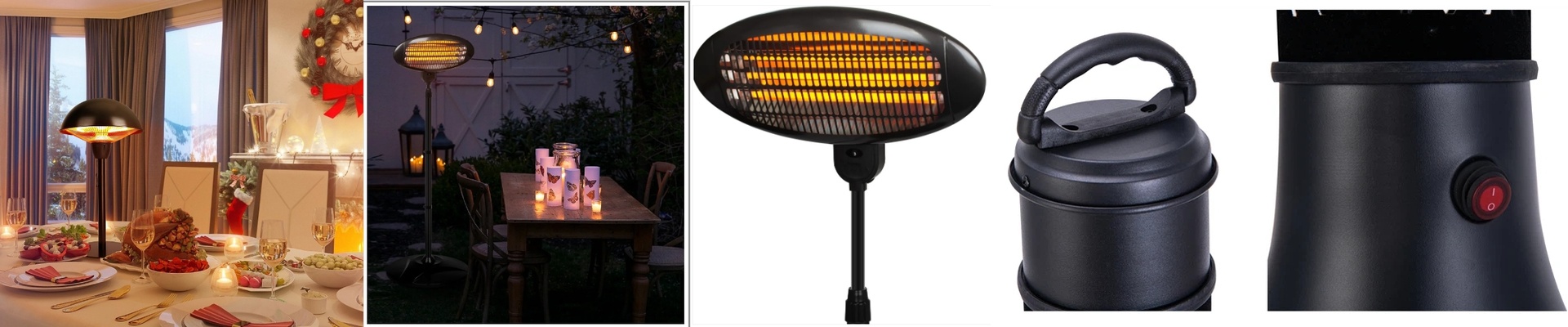
We build our outdoor infrared heaters for the real world. And by “real world,” I mean the chaos of a busy bar patio—rain, wind, and a constant stream of people. But let’s be honest: walking around flipping manual switches is a pain. That’s why we hook these units up to smart home systems using IoT gateways and relays. It means you can shift your patio from “freezing winter” to “perfect spring” with a quick tap on your phone or a simple voice command. The magic of instant heat Here is the cool part. Most heaters try to warm up the air, which is a waste because the wind just blows it away. These infrared units are different. They send out short-wave radiation that travels at the speed of light. It hits the target—whether that’s a customer’s shoulders or a cold chair—directly. When you trigger the system from your hub, the heat hits peak temperature in seconds. No waiting around for things to warm up. It’s just… hot. Keeping the electronics dry Putting electronics outside is always a gamble unless you do it right. We use IPX4 or IP65-rated housings to make sure moisture doesn’t get anywhere near the electrical terminals. The “smart” side of things happens at the controller. We use Zigbee or Wi-Fi modules to act as a bridge between the high-voltage power and the low-voltage logic of your smart home. You can set a schedule so they turn on at sunset, or use sensors to let the temperature decide when it’s time to kick in. A few things to watch out for Now, there’s a catch. These infrared arrays pull a lot of power. If you try to cram ten 2000W heaters onto one circuit, you’re going to trip your breakers. Fast. You’ve got to make sure your electrical panel can handle the total load and use heavy-gauge wiring so you don’t lose power along the line. We always suggest using a dedicated power relay for the load. This keeps the smart controller isolated from those big current spikes. Without it, you risk burning out your logic board the moment the heaters kick on. Do it this way, and your system stays snappy and your hardware actually lasts for years.