
Stop Your Equipment From Melting: A Better Way to Heat Wafers
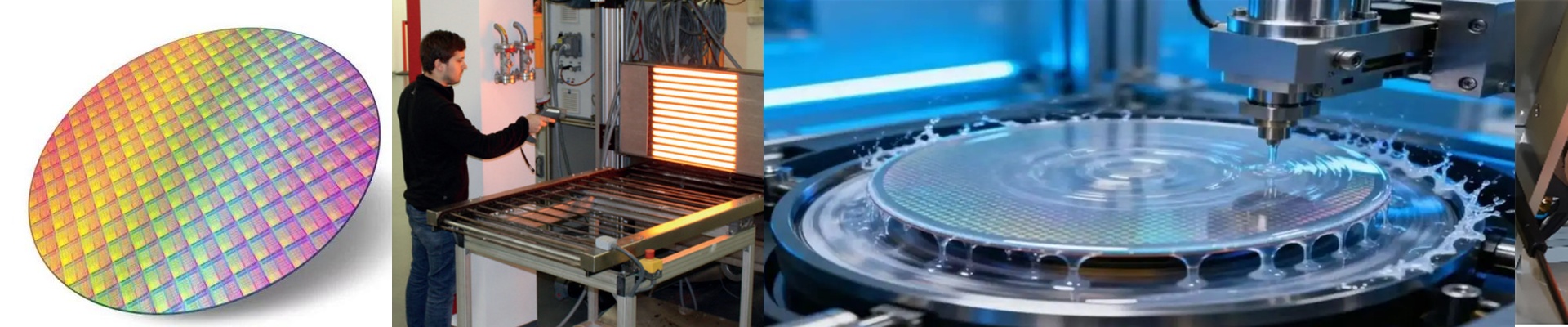
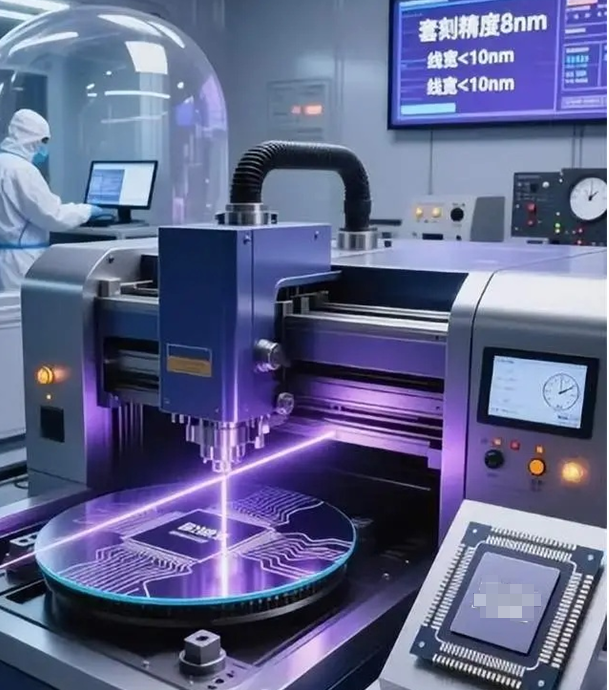
If you’ve ever set up an infrared (IR) heating station for semiconductor wafers, you know the real struggle. It’s not actually about getting the wafer hot—that’s the easy part. The nightmare is trying to stop your expensive machinery from soaking up all that heat. Standard IR lamps blast energy in every direction. If you just let it rip, the inner walls of your process chamber start baking. That’s not just a safety risk for whoever is standing next to the machine; it can actually warp the frame of the equipment. Not a great look. Focusing the heat We handle this by using directional IR technology. Instead of just sticking in a raw quartz tube and hoping for the best, we use reflectors or special coatings to push the energy exactly where it needs to go: the wafer. Think of it like switching from a bare lightbulb to a flashlight. By narrowing the beam, we stop that “stray” radiation from hitting the walls. The heat stays on the target, and the rest of the machine stays chill. Finding the sweet spot Getting the distance between the lamp and the wafer right is a bit of a balancing act. If you mount it too close? You’ll get hot spots on the wafer. Too far? You’re wasting energy. We usually figure out the safe distance by looking at the lamp’s wattage and how the chamber walls react to heat. It’s a trade-off. A tighter setup means your wafers ramp up to temperature faster. But, it also puts a lot more pressure on your cooling blowers. If your cooling system can’t keep up with the heat rise, your lamps are going to burn out way sooner than they should. Keeping things safe The best part about directional heating is that the exterior housing stays cool. You can actually touch it without jumping back. This means you can ditch those bulky thermal shields that always seem to get in the way of wafer handling. Your install looks cleaner, and your shop floor is a lot safer. Just a heads-up: the more you concentrate that beam, the more you have to obsess over the alignment. If your lamp shifts even a few millimeters, that heat peak can slide right off the wafer and land squarely on a support pin. Keep it straight, and it works like a charm.