
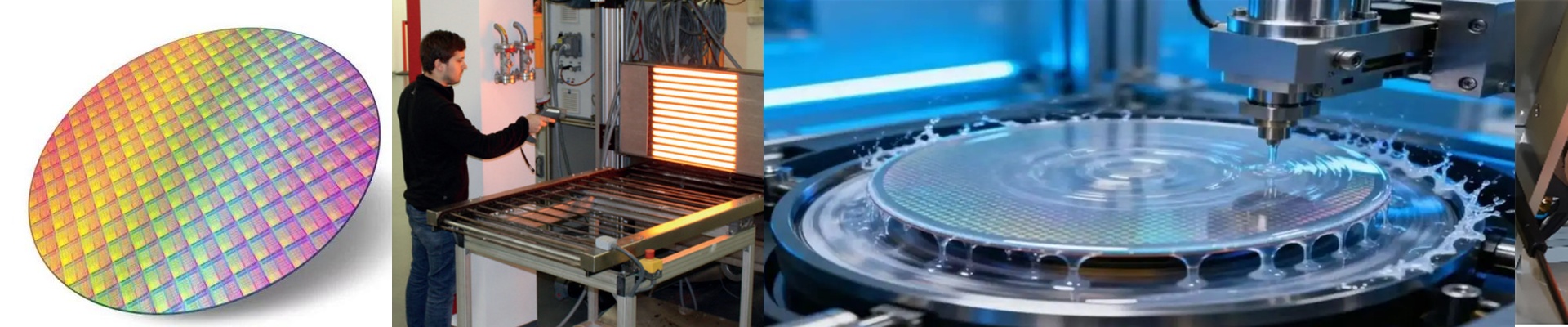
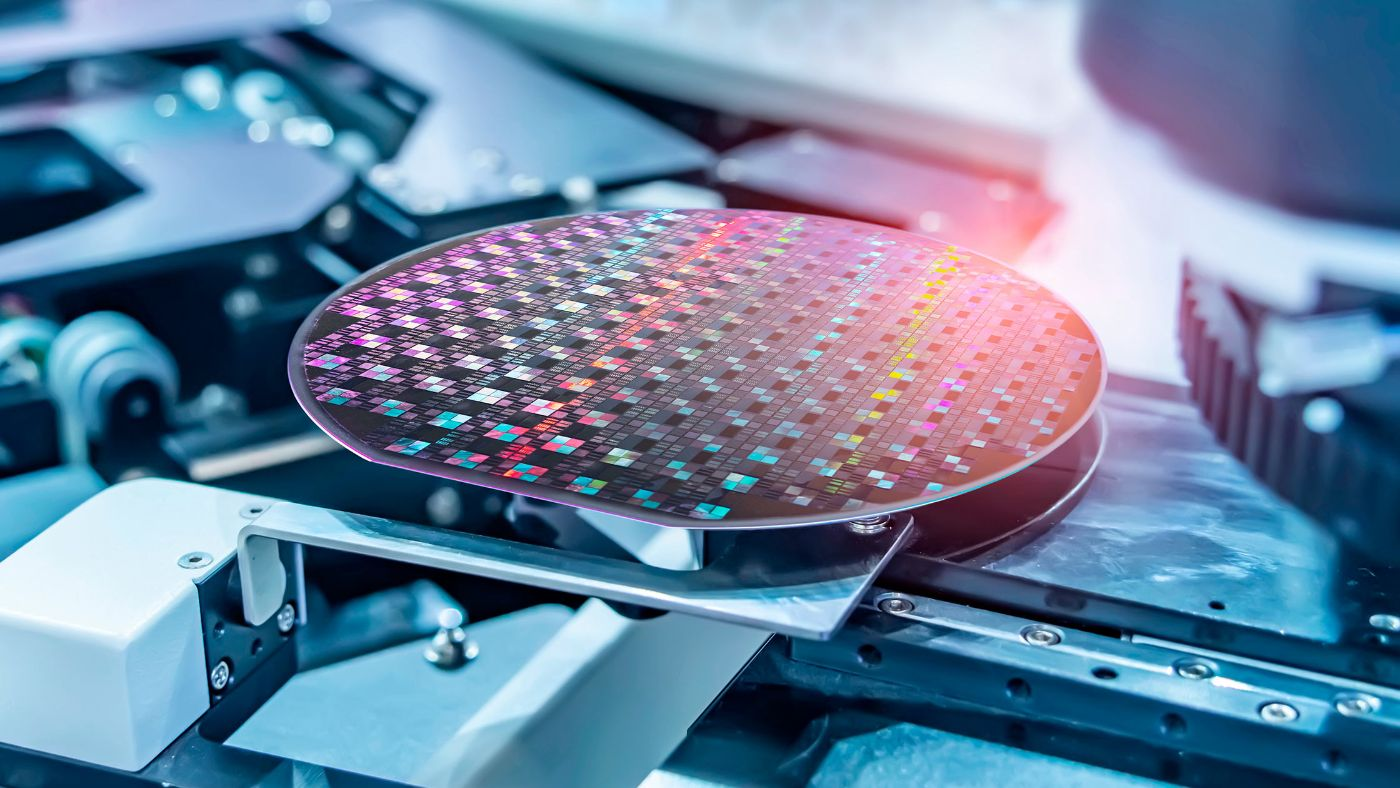
On a Micro LED line, drying isn’t a “break” you can take—it’s a yield lever you can’t afford to mishandle. A temperature hiccup during photoresist soft bake or post-clean drying will pull linewidths off target, leave behind residues, and send particle counts climbing. When the heater slips, the scheduler pays for it—in scrap and rework.
What matters under the hood
We built this wafer drying heater around short-wave infrared elements and a quartz-isolated thermal path. The point is wafer-level uniformity you can trust, within ±0.1°C. Setpoint settles quickly, and the profile repeats run after run, so photoresist bakes stay inside the thermal budget without overshoot. The chamber is engineered for cleanroom Class 1–100 operation. Welded joints and low-outgas materials keep particle generation at zero during the dry cycle.
Why it holds up in Micro LED
Micro LED fab runs lithography and etch stacks back-to-back—there’s no room for drift. This unit keeps pace and supports 7×24 operation with zero unplanned downtime. The heater assembly is rated for tens of thousands of hours, and the output stays stable. That repeatability translates into fewer qualification lots, tighter CD control, and less scrap. Energy use drops because you hold temperature precisely, not by chasing it.
What you need to get right on install
Match the exhaust abatement interface and confirm the supply voltage tolerance band. If the wiring is off, you’ll get nuisance trips when duty cycle climbs. The system talks to standard SECS/GEM hosts, but plugging into legacy ovens may call for a short mechanical adapter. Plan the airflow path so recirculation doesn’t create local cold spots—thermal uniformity depends on it.