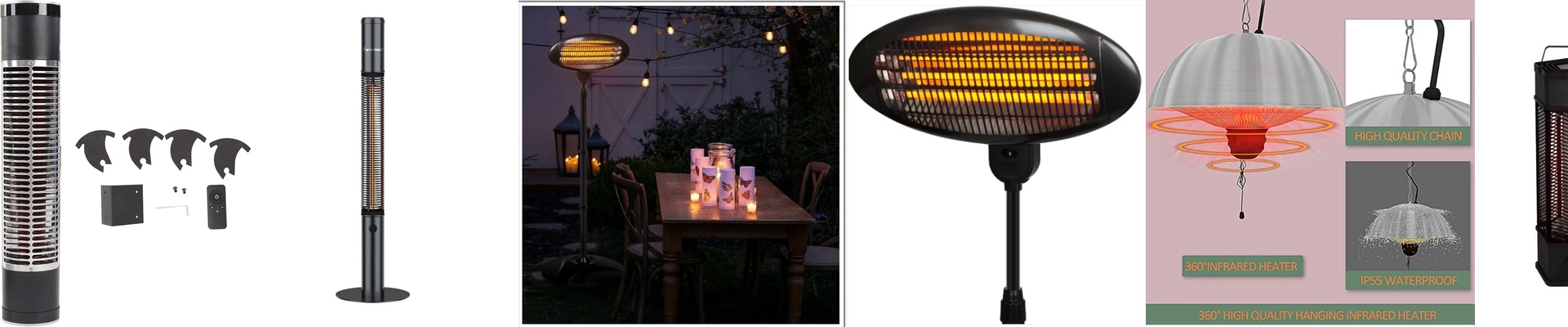

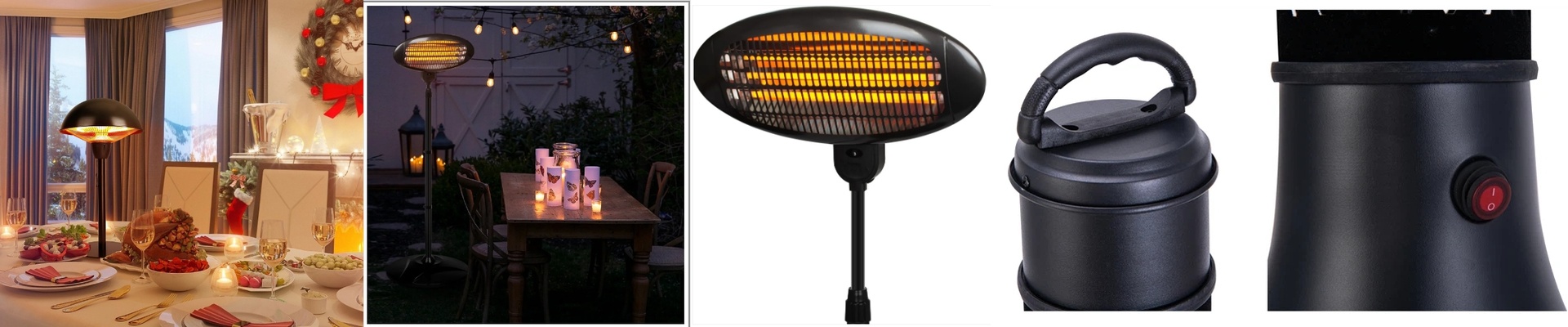
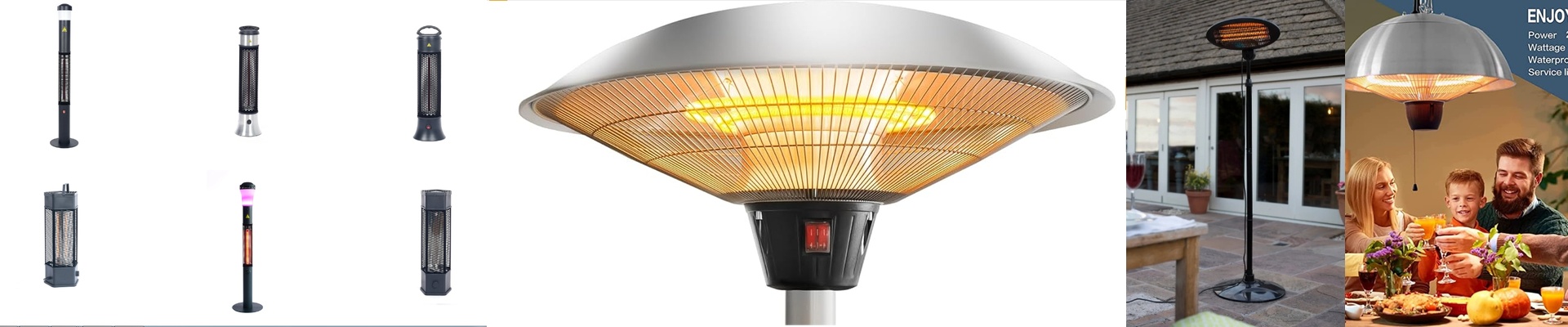
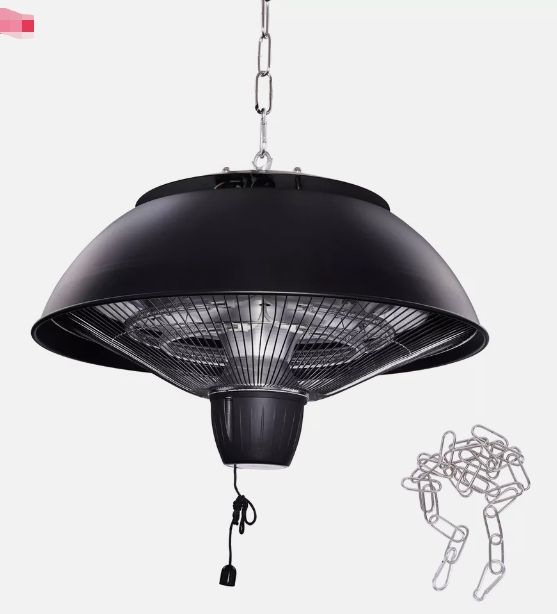
A greenhouse electric heater isn’t just about keeping frost off seedlings. It keeps you warm while you pot, prune, and tend—without that harsh, drying blast of hot air. Infrared warmth hits you directly, so you feel comfortable the instant you step inside, even when the air outside is biting.
What matters, technically
We build greenhouse infrared heaters around a carbon fiber or quartz element that throws far-infrared radiation. That light travels through the air with minimal loss and gets absorbed by people, soil, and plant containers—warming surfaces first, not just the air. The payoff is steady radiant heat that keeps surfaces 5–8°C above ambient in typical small- to medium-sized greenhouses, so condensation drops and the air feels less clammy. Most units run on standard 120V or 240V outlets, delivering 1500W to 3000W, and are housed in weather-resistant enclosures with an IP rating that holds up in humid spaces. A built-in thermostat holds your target temperature, and tip-over protection shuts the heater off if it gets bumped.
Why it works in a greenhouse
Infrared warmth supports healthy circulation because it heats the body from the outside in, encouraging blood flow to the skin and extremities. That gentle uptick can loosen stiffness during long sessions, so you can work longer without feeling chilled to the bone. For plants, stable warmth helps soil temperatures stay in the ideal window, which keeps root activity consistent.
Things to know
Infrared heat is directional. Place the heater so it shines on your work area and the main plant benches, and keep a safe clearance from water sources and flammable materials. In larger greenhouses, you may need multiple units—or a mix of infrared and gentle air movement—to even out the warmth. Always plug into a grounded circuit, and avoid extension cords in damp environments.