
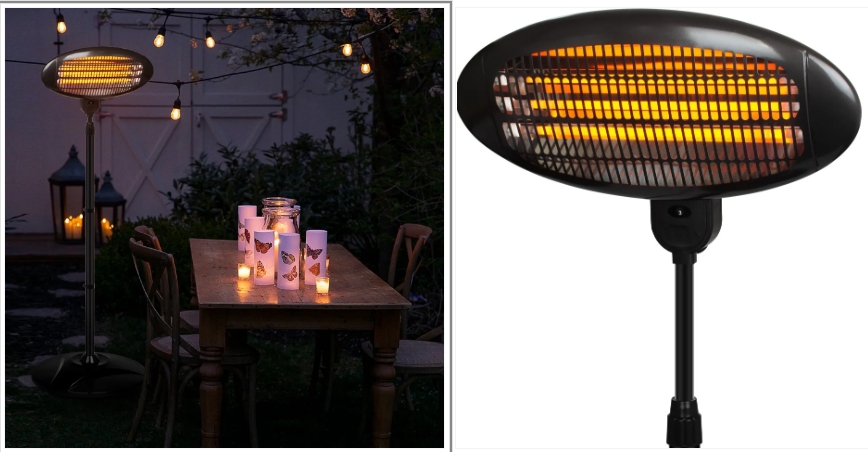
Why modern bathrooms are ditching the old bulb heater
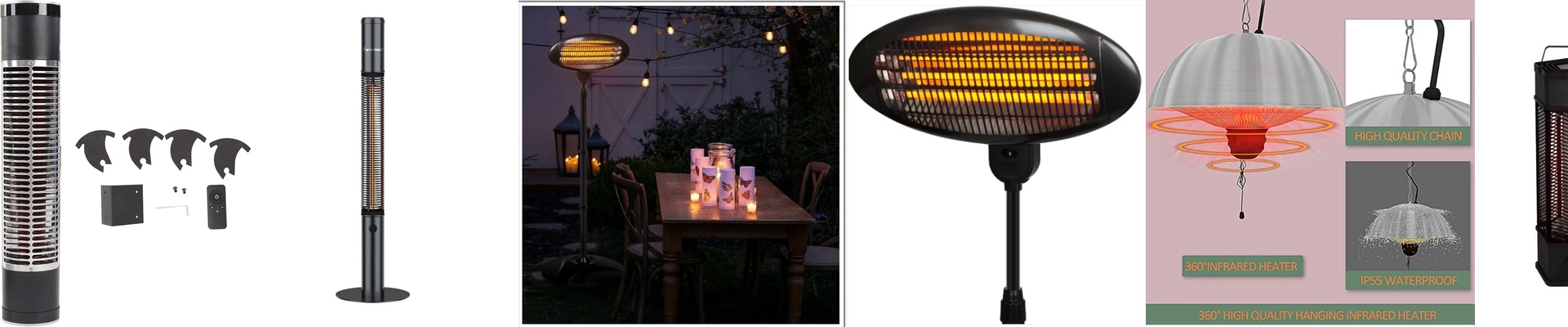
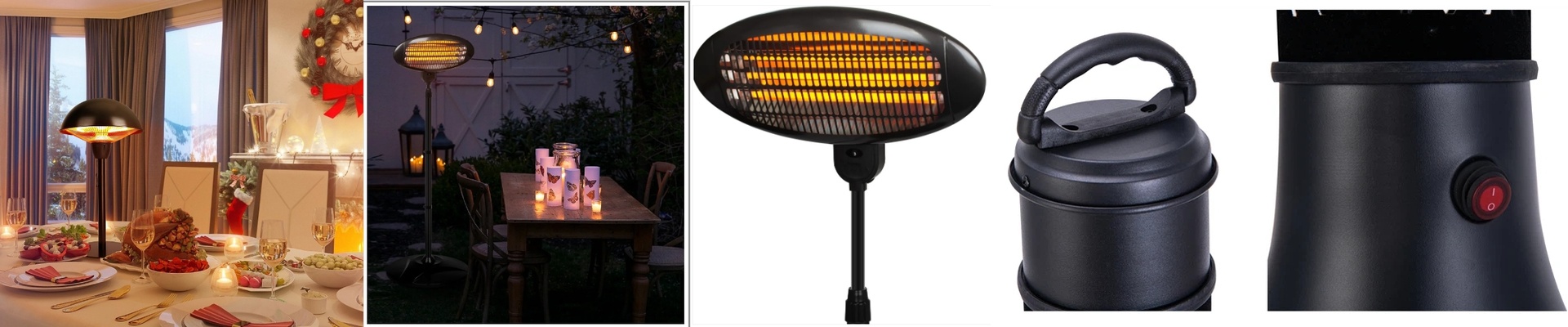
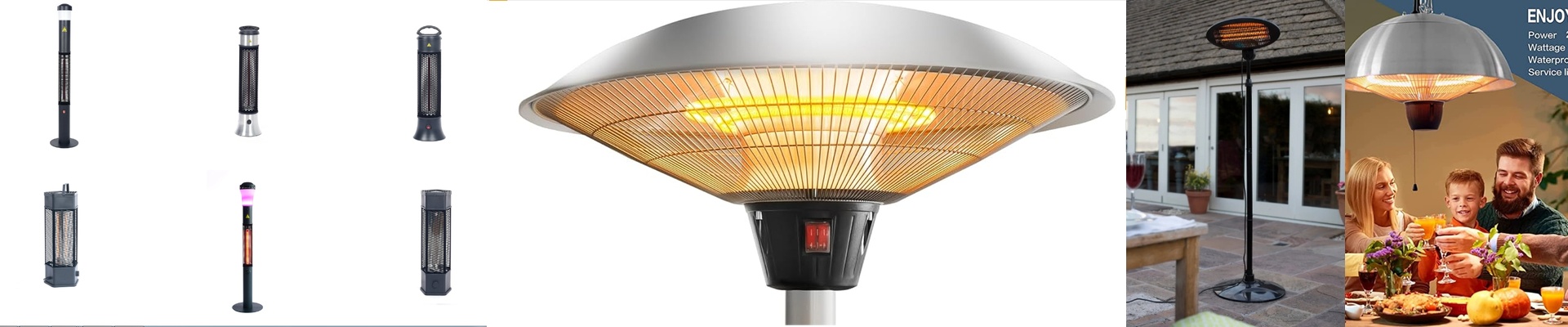
Let’s talk bathroom warmth. You know that old bulb-style heater? It’s being quietly replaced by something smarter: a high-IP infrared wall heater. And honestly, it makes sense. In a bathroom, humidity isn’t a “maybe.” It’s a fact of life. So the new plug-in wall heaters are built to handle it—no drama, just steady performance when things get steamy.
The quick heat you actually feel
Infrared heaters don’t mess around. They warm you directly, right where you need it, without having to “preheat” the whole room. Most units run on standard mains voltage (220–240V) and put out between 1500W and 2000W. That’s enough to make a 4–6 m² bathroom feel cozy fast. And because they’re meant to mount on the wall, they don’t eat up floor space. You also keep the heater out of the splash zone—smart placement, less worry.
What’s inside, and why it matters
Inside, you’ve got a halogen-filled quartz tube. Quartz is tough—it can take sudden temperature shifts and still keep working, even if a little water splashes it. The halogen gas helps the filament stay cleaner longer, which means the heater holds its output instead of dimming over time. Then there’s the seal. The front face is rated IPX4 or higher, so shower spray isn’t going to get inside. And the R7s connector—double-ended, straight-pin—is built for high heat. It keeps the electrical connection solid and low-resistance, so it stays reliable when things get hot.
The kind of reliability you want in a bathroom
If you’re upgrading a bathroom, you want something you can wire in, set, and basically forget about. That’s the high-IP infrared unit. It’s designed as a straightforward swap for older bulb-style heaters, but it heats surfaces faster and handles moisture way better. The payoff is the little things: your mirror clears quicker. The floor feels less like ice when you step out of the shower. It’s that steady, comforting warmth. Just keep one thing in mind—because the heat is focused, you need good local ventilation. That helps manage steam and keeps nearby materials from getting too hot.