
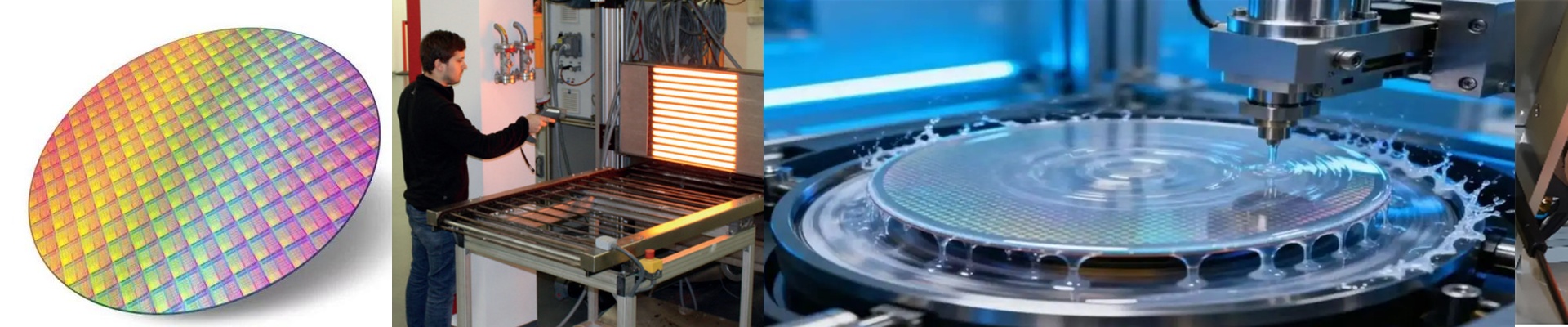
On the line, photoresist bakes don’t forgive drift. A 2°C excursion during soft bake or hard bake spreads CD variation across the wafer. Yield slips before the inspector even catches it. We built our thermocouple for semiconductor heaters to stop that loss right where it starts. What matters under the hood This thermocouple is built for thermal control when the process budget lives in tenths of a degree. It delivers wafer-level uniformity of ±0.1°C across the hot zone, so photoresist flow and solvent removal stay within spec. The sensor is compatible with Class 1–100 cleanrooms and emits zero particles, keeping contamination out of lithography and track integration. Output repeatability holds up around the clock, supporting zero unplanned downtime on high-volume tools. The probe geometry drops into standard heater blocks and common connector interfaces, so installation is consistent and swaps are fast. Why it holds up in production You need temperature stability that follows the recipe, not the room. In photoresist processing, this thermocouple keeps the bake profile tight, so critical dimension control stays on target and edge beads behave predictably. Cleanroom-compatible materials and a particle-free design keep defect counts down, which means less scrap and rework. Energy use drops because the control loop isn’t chasing offsets, and heater stress eases when thermal swings are minimized. The payoff is repeatable performance, shift after shift, wafer after wafer. The practical details you can’t skip Installation has to match the heater mass and the thermocouple junction position—misalignment adds lag and local error. For the best response, pair the sensor with the right termination and shielding for your controller, and calibrate to the actual tool setpoint, not a bench reading. In high-humidity environments, expect slightly shorter life unless the feedthrough and sealing are specified for it.