
Introduction
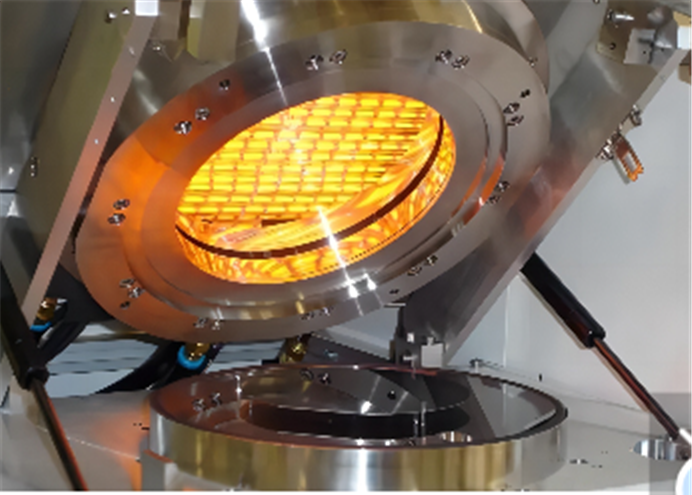
Picture this: you’re in the middle of high-load semiconductor production, and an infrared bulb goes down. It’s not just a pause in the line. It’s a real headache—glass shards, outgassing, the whole mess threatening to contaminate your wafers. So we built our infrared bulb with a gold reflector to stop that nightmare before it starts. Our focus is simple: give you steady, pinpointed heat without the risk of a catastrophic rupture.
Technical Deep-Dive
We designed this infrared heating lamp to deliver serious thermal power. The quartz tube is compact, usually around 300mm long. It runs on 400V, not standard line voltage, which lowers the current and keeps stress off your terminals. At 2500W, the power density is high. That means fast response and tight temperature control. But it also means your equipment needs to handle the heat. So, cooling and clearance around the lamp aren’t optional. They’re essential.
Material & Design
Inside, you’ve got a halogen-filled infrared element, all wrapped in a high-purity quartz envelope. The halogen chemistry keeps the filament stable through thousands of cycles, resisting the thermal shock that cracks cheaper bulbs. And that gold reflector coating? It’s not just for looks. It reflects shortwave infrared energy forward with high directionality, cutting down on stray heat and boosting efficiency. The R7s connector is a straight-line, two-contact design. It wires up fast, handles the current, and locks the lamp in place with a solid, mechanical fit.
Application & Benefits
Out on the shop floor, this setup is built for the front lines of semiconductor processing. The gold reflector focuses heat exactly where you need it, so nearby components don’t get stressed by stray radiation. The halogen quartz construction resists thermal fatigue, so the bulb takes a beating without suddenly burning out. And if a lamp does fail, the sealed design keeps debris and contaminants contained. Fewer unexpected stops. Predictable thermal profiles. Less risk of secondary contamination. For engineers running high-load lines, this is how you keep the heat where it belongs and keep the line moving.