


When the air gets thin and your joints start to complain, you don’t want heat that takes its sweet time. You want warmth that shows up now—wraps around you—and does more than nudge the room temperature up a notch. That’s exactly where an indoor electric heater built around infrared technology earns its keep.
What matters under the hood
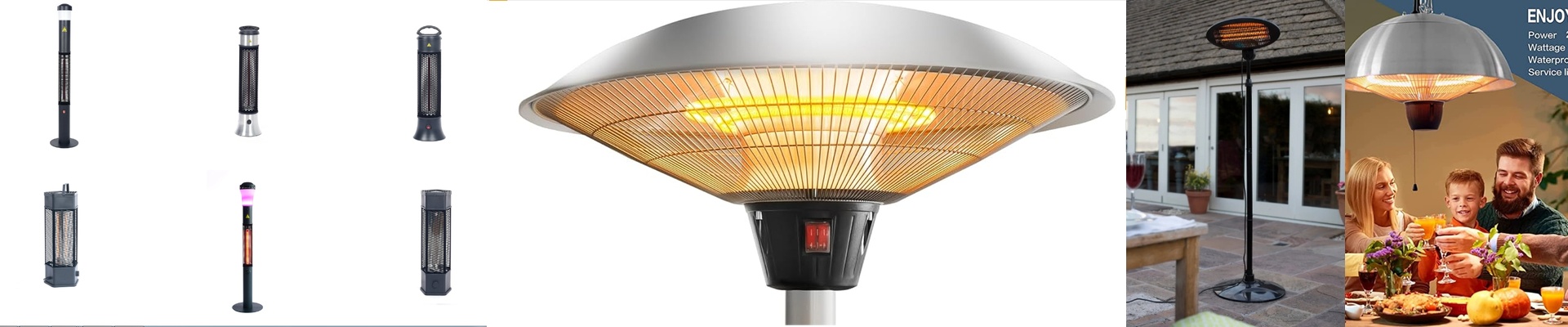
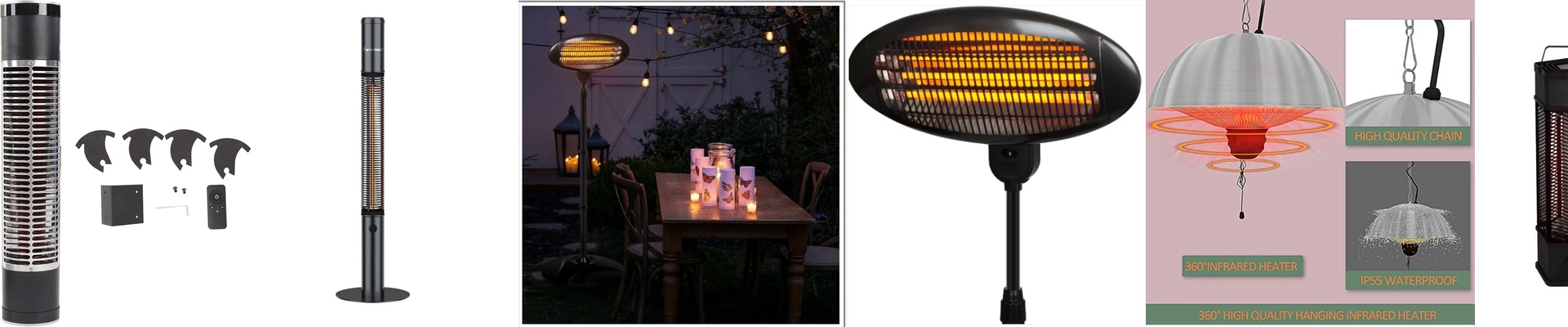
Infrared electric heaters deliver radiant warmth that travels in straight lines and hits people and surfaces directly—think of sunlight warming your skin on a cool day. We run a high-efficiency carbon fiber element inside a sealed quartz tube, producing short-wave infrared that penetrates those superficial layers and delivers deep, even heat. The payoff is sun-like comfort—instant, without waiting around for air to circulate. A built-in thermostat keeps output steady, and tip-over protection adds a practical safety layer.
Why this approach hits the spot
This sun-sense approach is especially useful when joints feel tight and fatigue sets in. The radiant heat encourages local circulation and helps relax muscles, which can ease the nagging ache that hangs around after a long day. Because the warmth is aimed where you need it, you feel cozy sooner, with less energy wasted heating empty air. You end up with a gentle, steady heat that supports relaxation and a more active routine, without the drafts and dryness that come with forced-air systems.
The real-world setup
Infrared electric heaters are designed to warm people and objects—not to run your whole house. For best results, place the unit in your primary sitting area, about 3 to 5 feet away, and keep the path clear of obstructions. Keep the heater on a level surface, away from water sources, and check the power rating so it matches your outlet. They’re energy-efficient for spot heating, but they won’t replace whole-room systems in very large spaces. Use them as a targeted layer of comfort that works alongside your home’s heating plan.