
Stop Wasting Heat: A Common-Sense Approach to IR Heating
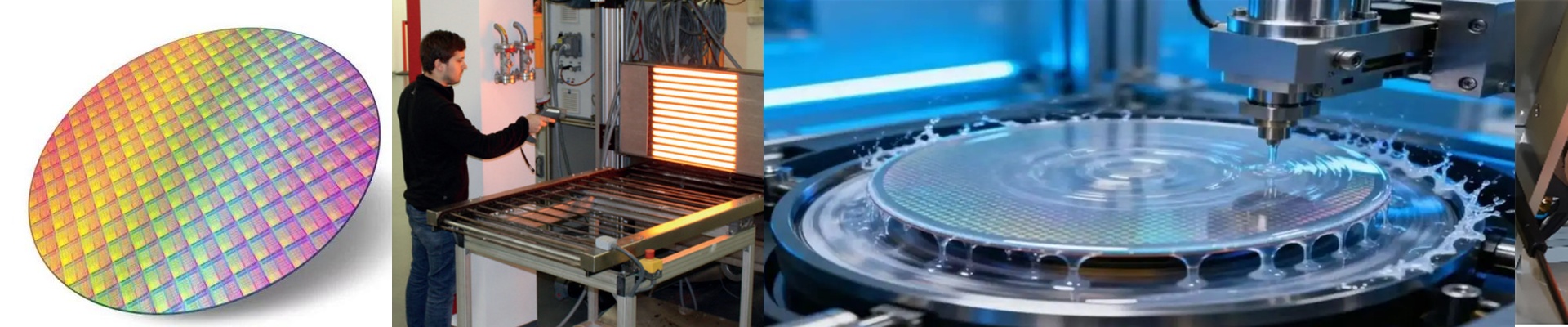
If you’ve spent any time in a semiconductor fab, you know the struggle. You need precise temperature ramps, and you need them now. Most of us lean on infrared (IR) heating to get the job done, but here is the thing: everyone focuses on the lamps. The real secret to cutting your carbon footprint? It’s actually the housing.
The Problem with Leaky Housings
Think of your heater housing like a thermos. If it’s poorly made, the heat doesn’t stay where it belongs. It leaks right into your cleanroom. That sounds like a small detail, but it’s a nightmare for your energy bill. Your HVAC system has to work overtime to fight that leaked heat, and that’s where your carbon footprint really starts to climb. We use high-grade stainless steel and precision machining to stop that leak. By adding specialized reflective linings, we make sure the IR radiation actually hits the wafer instead of just heating up the machine frame.
Why the Material Matters
It’s not just about the metal; it’s about how it handles the heat. Cheap housings warp. They bow under the stress of constant thermal cycling. And once the housing loses its shape, you lose your focus. To fix it, most people just crank up the power to make up for the misalignment. It’s a vicious cycle. Using the right grade of stainless steel keeps everything straight, so you don’t have to waste power just to get a decent result.
Power vs. Density
High-wattage lamps are great for speed, but they put a massive load on your electrical setup. If you go for maximum output without a plan, you’re asking for trouble. Your cooling loops need to be sized just right. If they aren’t, you’re looking at burned-out lamps or ruined seals. It’s all about balancing that heat flux so the system doesn’t eat itself.
The Bottom Line on Energy
Switching to a precision-fabbed stainless steel housing is one of the easiest wins in the fab. Direct radiation is just faster than convective heating. That means shorter cycles and fewer kWh per wafer. The best part? It’s usually a drop-in replacement. You swap out the legacy housing for something built for today, and suddenly your tool just draws less power. Simple as that.