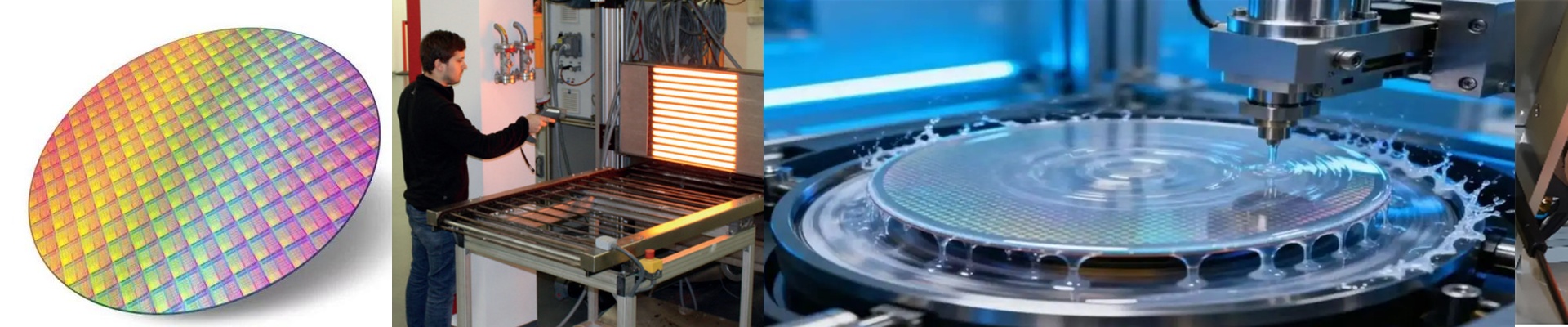


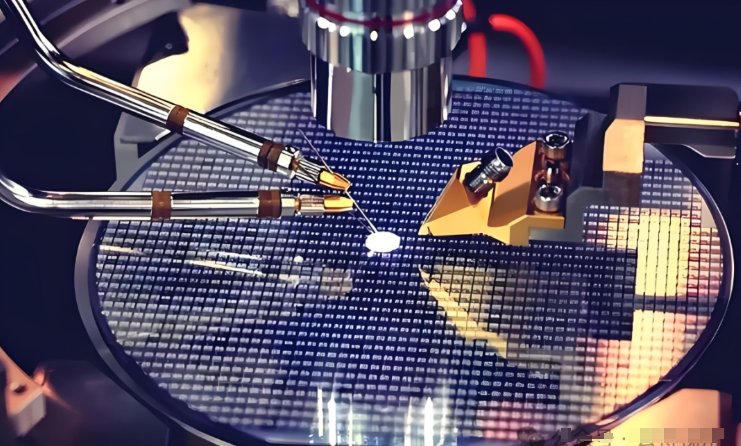
Out on the fab floor, a half-degree drift in bake temperature is enough to send a photoresist profile from good to scrap. If you want to protect yield, thermal control can’t be an afterthought—it has to be treated like a real process parameter. What matters under the hood We built this PID-controlled semiconductor heater around a closed-loop response that’s tuned for lithography bake stations. Across the wafer, you’re holding uniformity within ±0.1°C over the active surface, and you get repeatability cycle after cycle. The heater body is cleanroom-compatible for Class 1–100, with materials and surfaces chosen to keep particle generation at zero. It’s engineered to run 24/7 with no unplanned downtime, and the temperature stability keeps the thermal budget inside photoresist tolerance. Why this matters where it counts Soft bake and hard bake are the steps that lock in dimensions and profiles. With this heater, photoresist bake temperature precision settles down, which means less rework, and process repeatability shows up where you can measure it—fewer scrapped lots. You end up with tighter critical dimension control and fewer excursions that trace back to thermal variation. Fast settling and minimal overshoot also keep energy use in line, and maintenance intervals stretch out because the design avoids thermal stress hot spots that push components to drift. A few practical notes The system integrates cleanly, but the PID tuning has to match your chamber mass, airflow, and ramp profiles. Give us your exact bake profile—ramp rate, soak time, and setpoint sequence—so the control parameters are set for your equipment, not just ours. Once it’s commissioned, keep the sensor calibration schedule lined up with your preventive maintenance. That’s how you keep the ±0.1°C promise real, day after day.