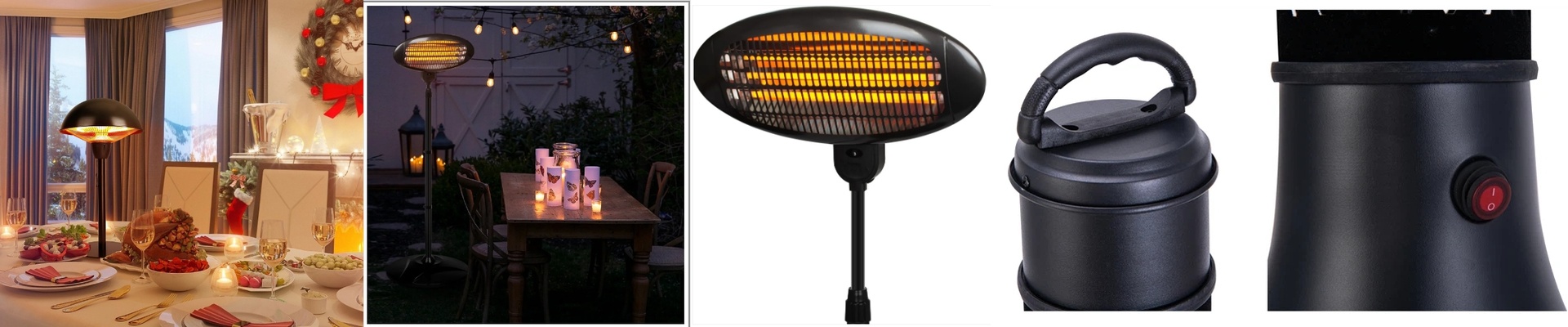
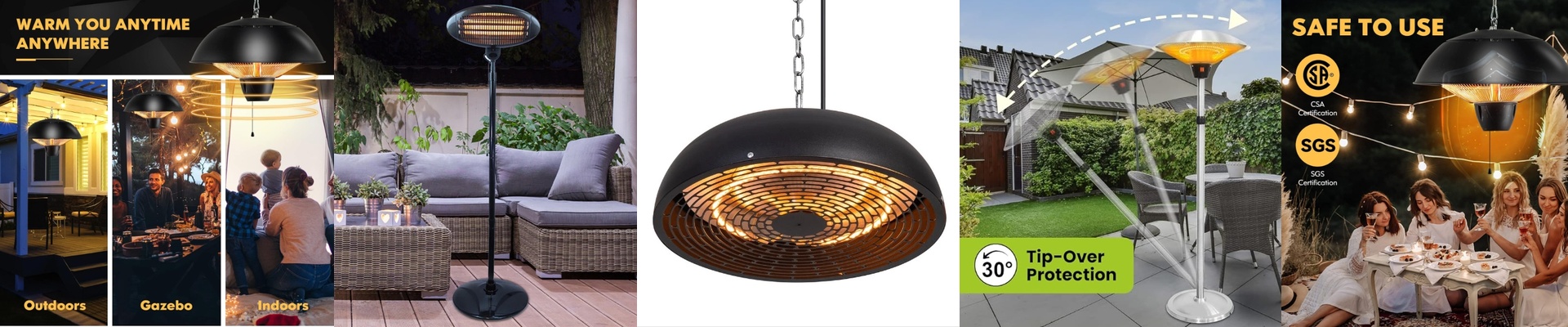
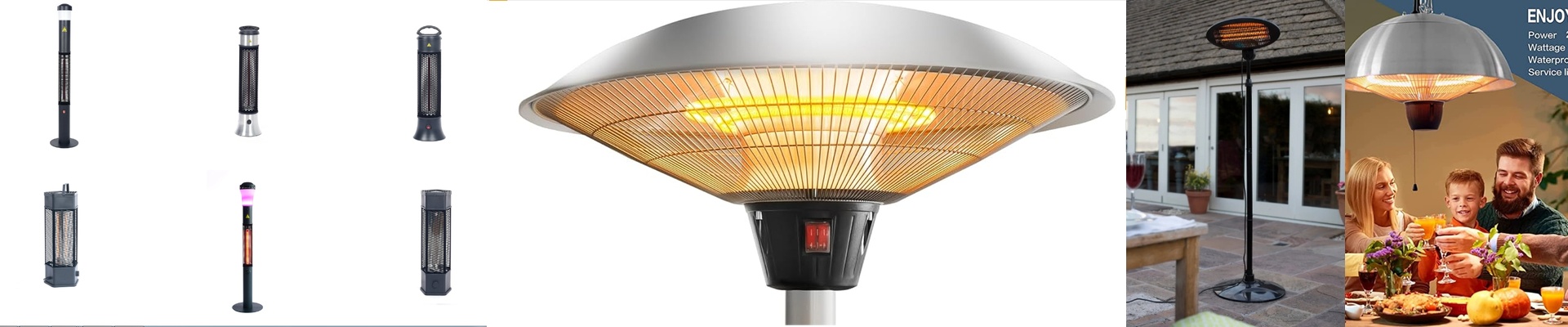
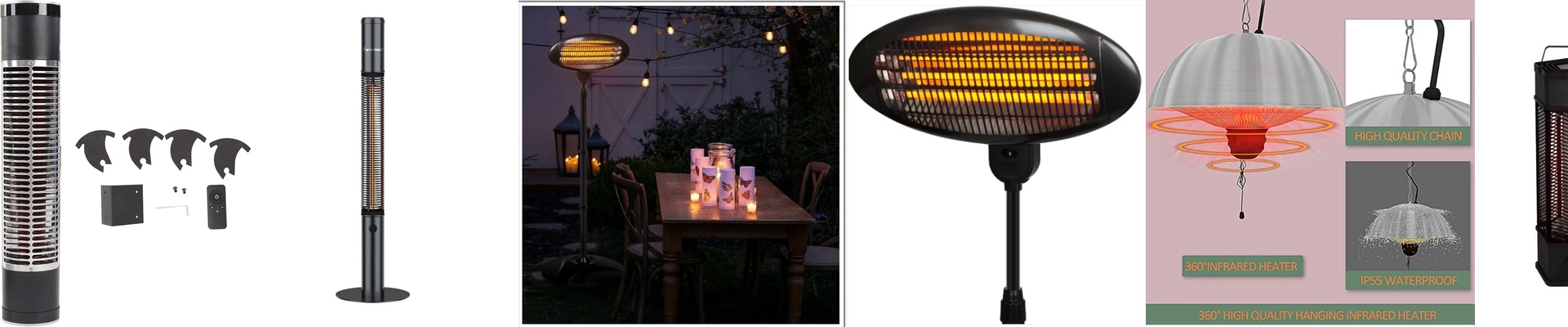
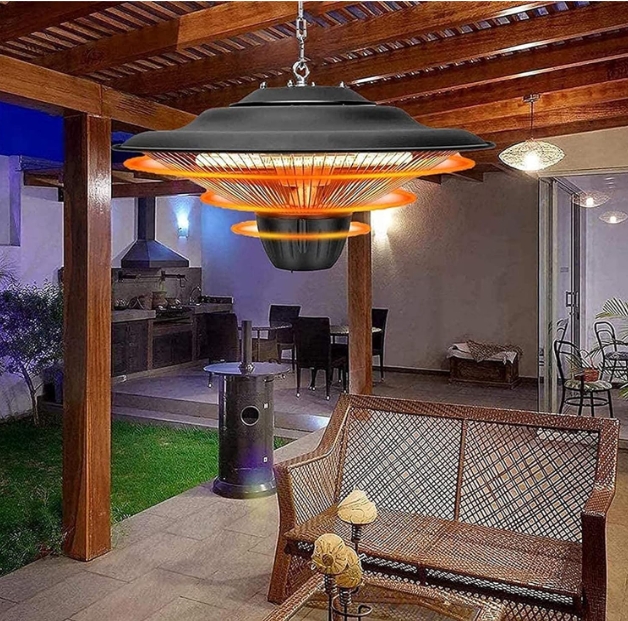
On a cool evening, the last thing you need is a heater that throws a hot cone overhead while your feet stay cold. Infrared warmth hits fast, but uneven coverage wastes energy and makes everyone shuffle chairs. So we reworked the reflector to even things out. What actually matters under the hood Infrared heaters run on line-of-sight radiation, so the reflector is doing the real work. We use a compound parabolic profile with tighter tolerances, then polish it to a mirror finish for high reflectivity. That shape collects stray rays and re-aims them into a controlled beam with a broader, flatter intensity profile. The payoff is more even heat across the target area and fewer hot spots. Paired with a carbon fiber or quartz emitter, the system delivers instant radiant heat that feels natural, not forced. Efficiency improves because less output is lost to spill and glare—more lands where you want it. Why this shines in real-world use In outdoor seating, workshops, and covered patios, you need warmth that wraps around people, not just the air. Our reflector spreads infrared energy evenly, so a small electric heater can comfortably cover a larger footprint without cranking the thermostat. You feel the heat faster, settle into steady comfort, and use less energy because the heat is aimed precisely. For homeowners, that means lower running costs and an outdoor living room that actually feels livable. For pros, it means fewer temperature swings and consistent comfort through longer sessions. The details that keep it working safely Direction matters. Mount the heater so the beam hits the seating area directly, and keep a clear sightline from the emitter to people. Clearances need to match the manual—keep surfaces safe and airflow unobstructed. Most models are electric and plug into a standard outlet, but check voltage and circuit loading before you stack multiple units. The reflector cuts glare, but infrared heaters still get hot to the touch, so keep them away from curtains and low furniture.