



In a hot yoga studio, the air has to be warm enough for deep stretches, but not so dry that everyone leaves parched. When the heat drops, poses tighten up, breath gets short, and the class loses its restorative feel. Infrared electric heaters take a different approach: they warm people and surfaces directly, not the air.
What matters under the hood
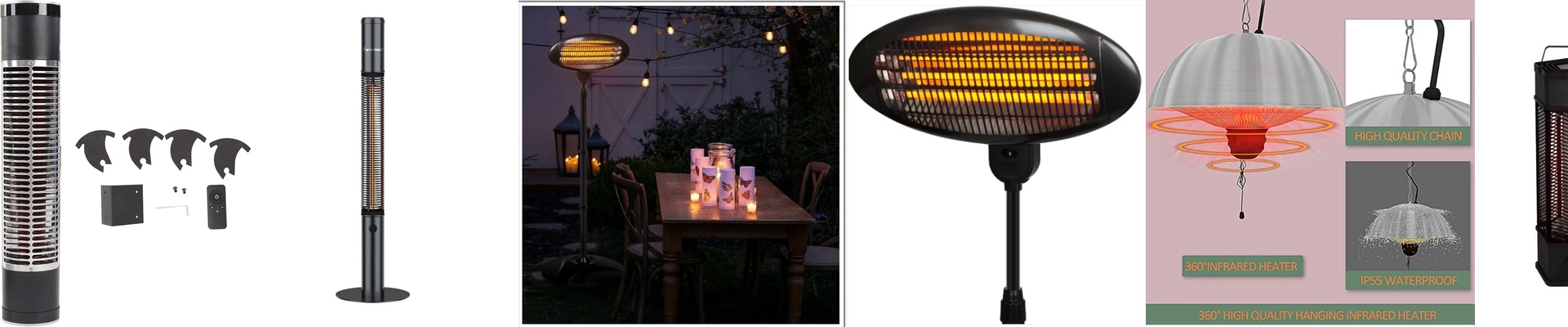
We build our infrared electric heaters to run on 12V and 24V DC, so they can be powered by studio batteries, solar setups, or low-voltage circuits. The radiant element is either a carbon fiber or quartz emitter—chosen for stable output and long life. You get gentle, directional infrared warmth, so comfort hits within seconds of switching on. Quick warm-up. Quiet operation. And a compact profile that keeps floor space open.
Why this fits hot yoga
Radiant heat supports the warm-up phase without blasting air that stirs dust or dries the room. Students settle faster, muscles relax more evenly, and the class keeps its smooth rhythm. Because the heat is localized, you can place units where they earn their keep—near mats, along walls, or above relaxation zones—without trying to heat the whole volume. For studios, that translates to more consistent comfort and fewer temperature swings between sessions.
The details that make it work
Placement matters. Keep the heater at a safe distance from mats, curtains, and any flammable materials, and aim it to cover the practice area evenly. Confirm your power source matches 12V or 24V and can deliver the required current. Undersized wiring or weak batteries will cap the output. You’ll feel some surface warmth on the heater body—normal for radiant units—so plan proper mounting and ventilation. When you match the unit to the right setup, you get steady infrared warmth that helps every session end the way it should: calm, open, and deeply relaxed.