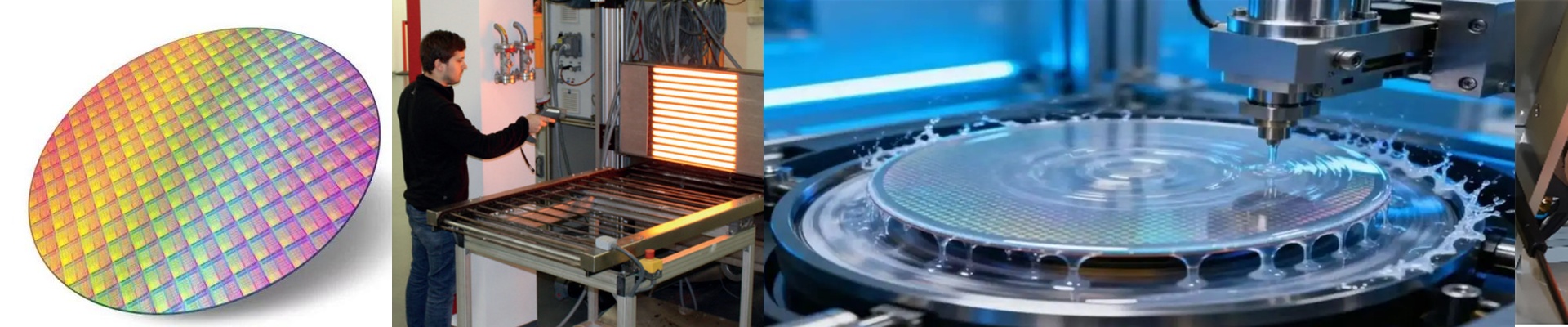

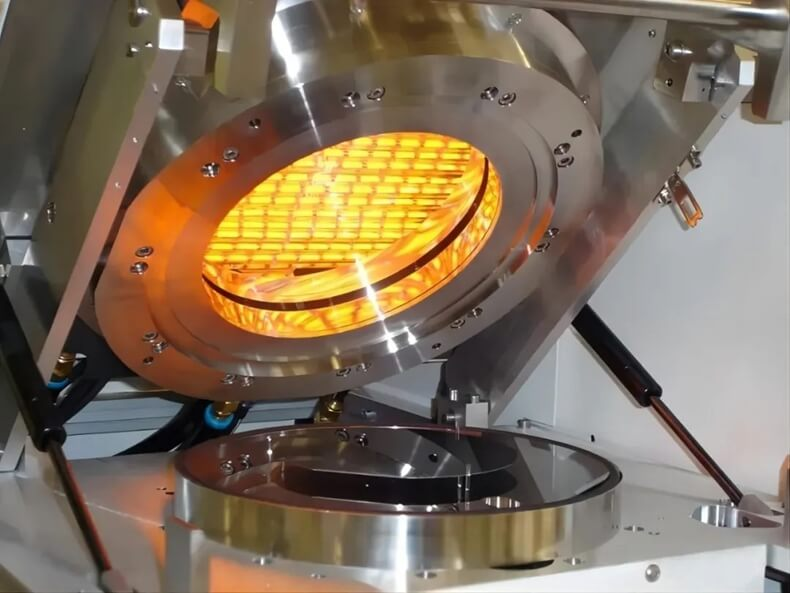
On the fab floor, you know the drill. A 0.2°C drift across the wafer is enough to wreck linewidth control and throw off the photoresist profile. When the Leybold vacuum heater starts underperforming, you’re not just bleeding yield—you’re burning hours on a process that’s suddenly marginal. We built these Leybold vacuum heater spares to get you back to the thermal behavior the tool was designed for, with repeatability that can take the grind of 24/7 production. What matters, technically It’s all about wafer-level thermal uniformity, held to ±0.1°C across the heated zone. That kind of control keeps soft bake and hard bake temperatures consistent, which keeps CD bias stable and knocks down defects that creep in when the thermal budget drifts. The materials and construction are cleanroom-ready, rated for Class 1–100, and they don’t shed particles during operation. Each spare matches the Leybold interface—heater geometry, terminal layout, and thermal coupling—so the system sees the same thermal mass and response as the original. Here’s why this matters in lithography and photoresist processing: temperature repeatability is the line between predictable cycles and midnight maintenance calls. With these spares in, bake profiles stay in spec. Line-edge roughness is easier to control, and you cut scrap from under- or over-cure. Fewer rework lots. Throughput that stays steady. And you stop wasting energy on heat cycles that try to compensate for drift. A couple of practical notes. To match the thermal profile, torque the mount correctly, keep mating surfaces clean, and double-check thermocouple placement. After the swap, run a quick qualification—usually one lot—to re-establish the thermal map and confirm particle performance. And don’t run outside the specified vacuum range or with chamber seals that are past their prime; either one will eat away at the uniformity you’re after. Pair the spare with routine chamber maintenance and you’ll stay in the window.