
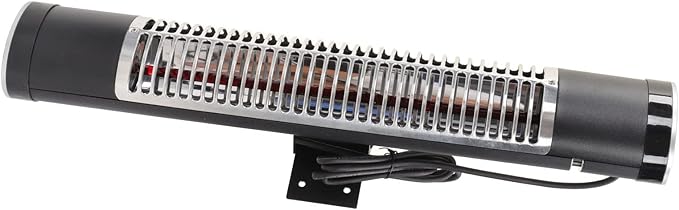
Why Your Outdoor Heater Keeps Shorting Out (And How to Actually Fix It)
If you’re building an IP65 garden heater, you might think the heating element is the part most likely to give up the ghost. But honestly? It’s usually the lead wires. Specifically, right where those wires dive into the chassis. Outdoor gear takes a beating. You’ve got rain, frost, and crazy temperature swings all hitting that one spot. If that seal isn’t perfect, water finds a way in. It starts with a little corrosion, and before you know it, you’ve got a dead short and a useless heater. The problem with “standard” seals Here’s the thing: most potting compounds just aren’t built for infrared heat. The temperature near the element is brutal. Cheap seals handle the heat for a while, but then they harden. They get brittle. They crack. Once there’s a tiny crack, physics takes over. Capillary action literally sucks humidity straight into your electrical terminals. I’ve seen plenty of consumer units where the insulation just burns out because the sealing material couldn’t handle the “heat soak.” It’s a mess. Doing it the right way To stop those shorts, we lean on high-temp silicone gaskets and some pretty specific epoxy potting. It’s not just about blocking water, though. It’s about managing how heat moves through the material. A professional-grade seal stays flexible even when things hit 200°C. We also make sure the wire transition isn’t clamped tight against a vibrating chassis. If it’s too rigid, the wire just fatigues and snaps over time. One quick tip: keep an eye on the “compression set.” If your seal loses its spring, your IP65 rating is basically gone. The hidden trade-off But wait, there’s a catch. When you seal something this tight to keep the water out, you’re also trapping the heat inside. You can’t just rely on a breeze to cool the wiring anymore. That means you have to be smart about your wire gauge. You need wires that can handle a much higher ambient temperature inside that sealed box. If you go too thin to save a few bucks, the insulation will melt from the inside out. It doesn’t matter how fancy your external seal is if the wires are cooking themselves.