
Stop Wasting Your Heat
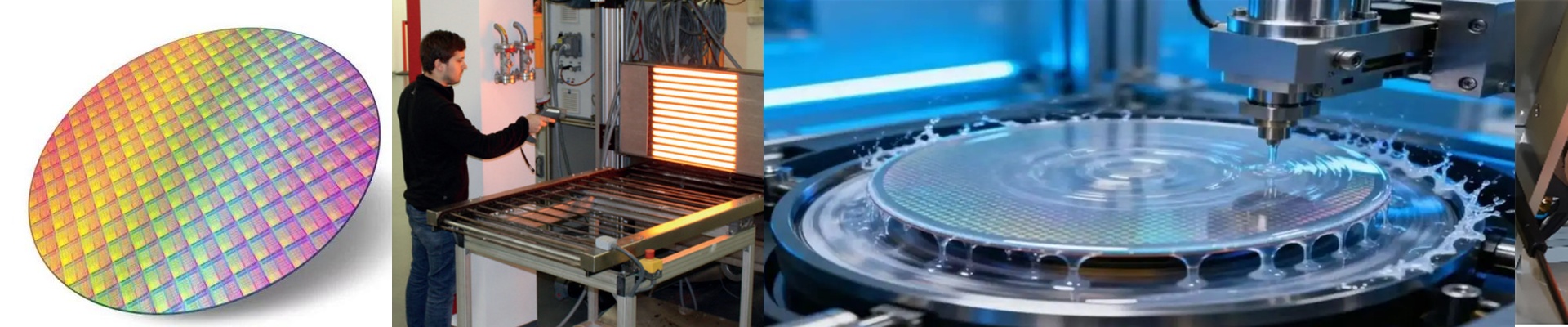
Here is the problem with standard infrared lamps: they spray heat everywhere. 360 degrees of energy. When you’re working in a tight semiconductor setup, that’s a nightmare. You turn the lamp on, and instead of all that energy hitting your sensor package, a huge chunk of it just slams into the inner walls of your machine. The result? A chassis that’s hot enough to burn an operator or, worse, warp your internal parts. It’s just wasted energy. Getting the heat where it actually belongs We handle this by being a bit more intentional with the physics. Instead of letting the quartz tube radiate in every direction, we use selective coatings and reflectors to shove the heat forward. Think of it like a flashlight instead of a bare lightbulb. You’re focusing the IR energy into a tight beam. The target gets the heat, and the equipment casing stays cool. The trade-off (because there’s always one) Now, when you concentrate heat like this, you’re increasing the heat flux on the workpiece. We use short-wave IR because it digs deep into the packaging materials. It’s fast. Really fast. But you have to be careful. High-intensity beams create extreme localized heat. If your distance is off or your timing is sluggish, you’ll scorch the substrate. You’ll want to make sure your PID controllers are dialed in to handle those rapid ramp-up speeds. The real-world win The best part isn’t even the technical side—it’s the day-to-day. Since you aren’t heating up the walls of the machine, your facility’s cooling system doesn’t have to work nearly as hard. You can stop over-speccing your chillers just to keep the machine skin from melting. And for the person actually maintaining the gear? It’s a breath of fresh air. The machine is safe to touch while it’s running. When it’s time to swap a lamp, you aren’t fighting a 70°C oven just to change a bulb. You just open it up, swap it out, and get back to work.