



Winter comfort at home can be a balancing act. You want warmth, but not the kind that leaves your skin tight, your throat tickling, and the woodwork quietly shrinking. Forced-air systems push heat into the air first, and that air pulls moisture off every surface it touches. The result is a room that reads as warm on the thermostat but feels uncomfortable, and you end up adding a humidifier just to keep things livable.
What actually matters, technically
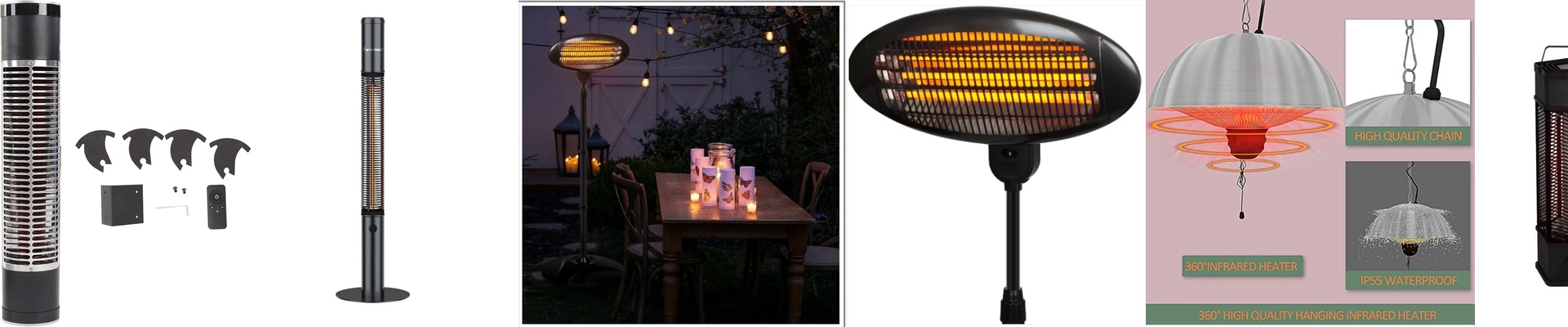
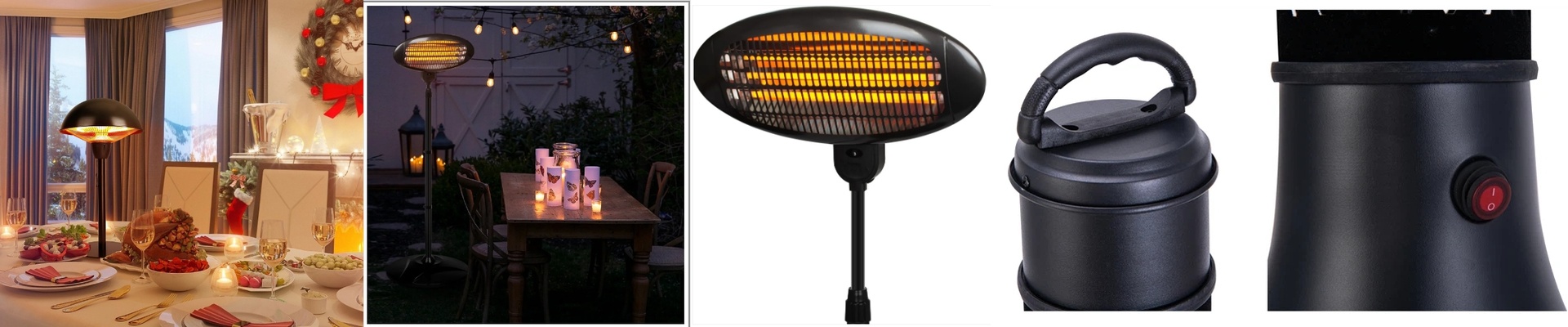
Infrared heaters take a different approach. They deliver radiant heat that travels straight to objects and people—think of sunlight warming your skin on a cool day. Inside the unit, a carbon fiber or quartz element produces short- or medium-wave infrared warmth that penetrates clothing and reaches the body, so you feel warmer even when the air temperature is lower. Because the heat isn’t moving air around, moisture stays put. No “desert effect” like you get with convection systems. For personal comfort, a hand warmer–style infrared unit runs quietly—no fan—and often includes a thermostat for steady output, plus tip-over protection for safety.
Why this works where you need it
In living rooms, studies, and bedrooms, where humidity matters, infrared warmth helps preserve the air you’re breathing. You feel cozy faster, and you don’t have to overheat the space just to get comfortable. That means fewer constant thermostat adjustments, and it helps protect furnishings and finishes that don’t respond well to dry air. If you deal with static shocks, dry eyes, or winter congestion, the difference between blowing hot air and radiant warmth is noticeable the first night.
What you need to keep in mind
Infrared heat is directional, so you get the most out of it when the unit is placed to warm the seating area directly. It’s designed to supplement room heat, not replace your central system when it’s very cold. Electric infrared heaters are easy to plug in, but they do best on a dedicated circuit so the breaker doesn’t trip at start-up. Give it clearance from curtains and furniture, and you’ll get steady, comforting warmth—without the dry trade-off.