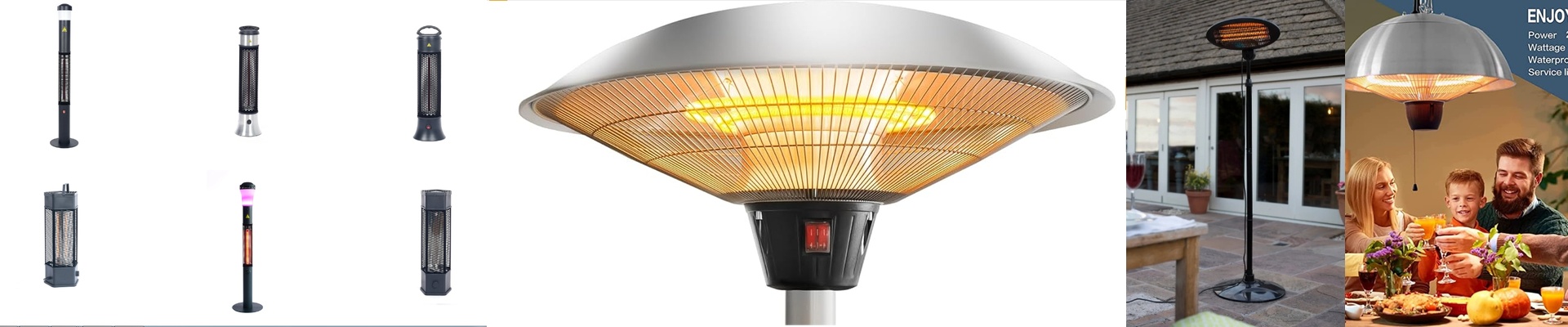
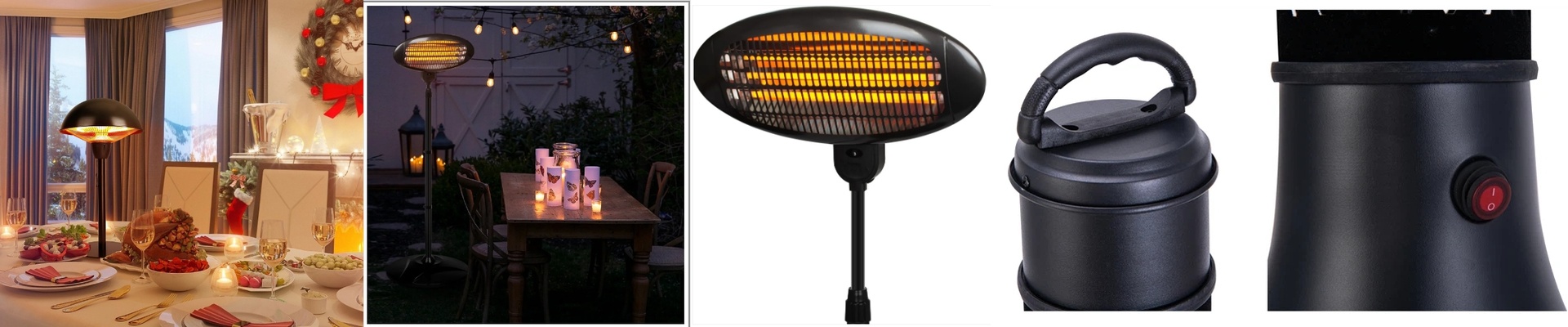

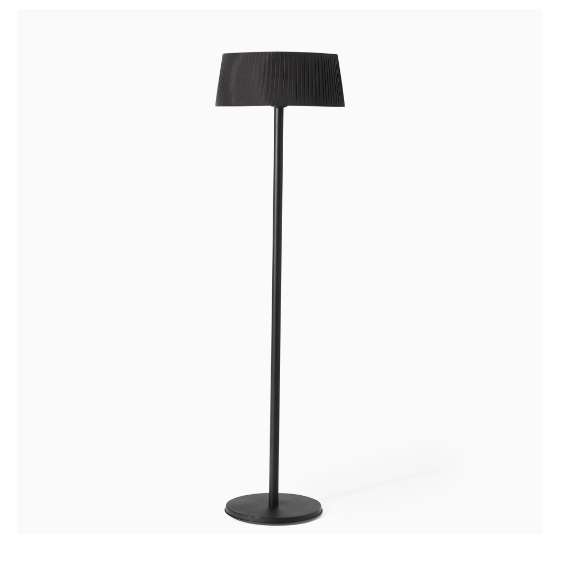
In a semi-open commercial corridor, the cold doesn’t just make guests linger—it chases foot traffic away. When the air turns, unheated passages empty fast, and keeping people moving comfortably is what separates a quiet off-season from steady revenue.
What matters, technically
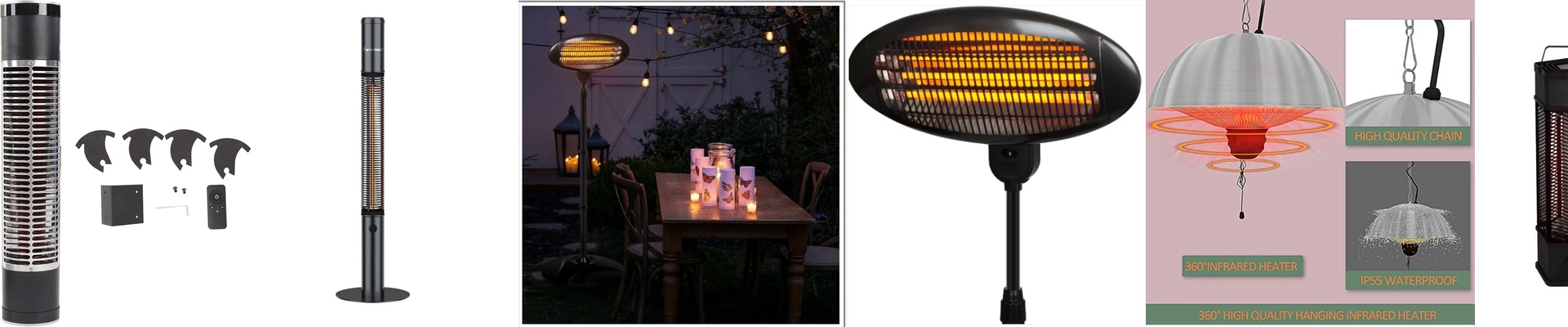
An umbrella heater has to earn its keep by delivering radiant heat that feels immediate, not forced. We pair a focused infrared heating element with motion sensing, so the unit kicks on when people arrive and dials back when the space goes quiet. The result is direct, directional warmth—like standing near a sun-warmed wall—without trying to heat every cubic foot of open air.
Why this works in a semi-open corridor
Comfort here has to be local, fast, and efficient. Infrared warmth hits guests and staff directly, warming hands and faces even when the wind is moving. Smart sensing keeps energy use tight: the heater runs only when the area is occupied, so you’re not paying to warm an empty stretch of walkway. For business owners, that means a warmer experience with lower operating cost—keeping the passage inviting year-round while running a more eco-minded setup.
The details that make it happen
Installation is straightforward, but placement is where it lives or dies. Mount the umbrella heater so the radiant beam reaches both seating and standing zones, and keep it clear of structural columns and dense signage. The sensor does its best work with an unobstructed view along the main flow of traffic. Plan on a dedicated circuit that matches the unit’s power draw. And remember: infrared warmth feels strong up close, but coverage is directional—so one heater may not be enough for a very long corridor on its own.