


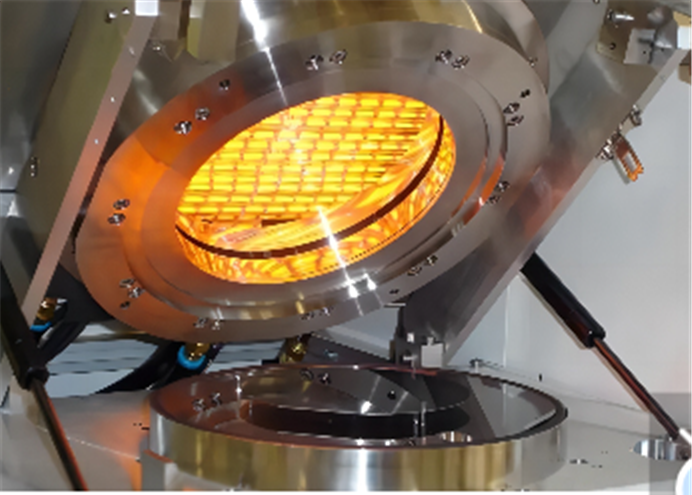
Stop Worrying About Contamination in Your Class 100 Cleanroom
If you’ve ever worked in a Class 100 cleanroom, you know the stress. One tiny flake of dust or a whiff of outgassing and your whole batch is toast. Most heating elements are a nightmare here. They flake. They release VOCs as they heat up and cool down. It’s a constant battle against the physics of the hardware. We decided to stop fighting the symptoms and just fix the source. So, we paired carbon fiber heating elements with high-purity synthetic quartz envelopes.
Why Carbon Fiber Actually Works
Here is the thing about metal coils: they oxidize. Over time, they shed microscopic particles. It’s just what they do. Carbon fiber is different. It stays stable. By tucking that fiber inside a high-purity quartz tube, we’ve basically built a wall between the heat source and your air. Nothing gets out. Plus, the infrared spectrum from carbon fiber is a bit of a cheat code. It penetrates materials deeply without needing to get the surface temperature to some insane level. You get the heat density you need, but you aren’t “cooking” the air around your wafer.
The Nitty-Gritty on Materials
We use fused quartz glass because it doesn’t freak out when the temperature swings. It has a low coefficient of thermal expansion, which is a fancy way of saying it won’t crack when you cycle the power. And let’s talk about the seals. That’s usually where these things fail. We use specialized glass-to-metal seals to make sure no internal gases leak into your environment. One heads-up, though: watch your power density. These lamps ramp up fast—which is great—but that quartz tube getshot. If you’re squeezing these into a tight space, make sure your chassis has plenty of airflow. You don’t want heat soak messing with your nearby sensors.
Getting Them Into Your Setup
The best part? These are basically drop-in replacements for your standard IR heaters. You can stop obsessing over complex filtration systems to scrub the air around your heaters. When you remove the source of the junk, your HEPA filters don’t have to work nearly as hard. Just wire them to a stable DC or AC power supply (depending on your wattage) and you’re set. No particles. No stress. Just heat.