

Stop Turning Your Semiconductor Tools Into Ovens
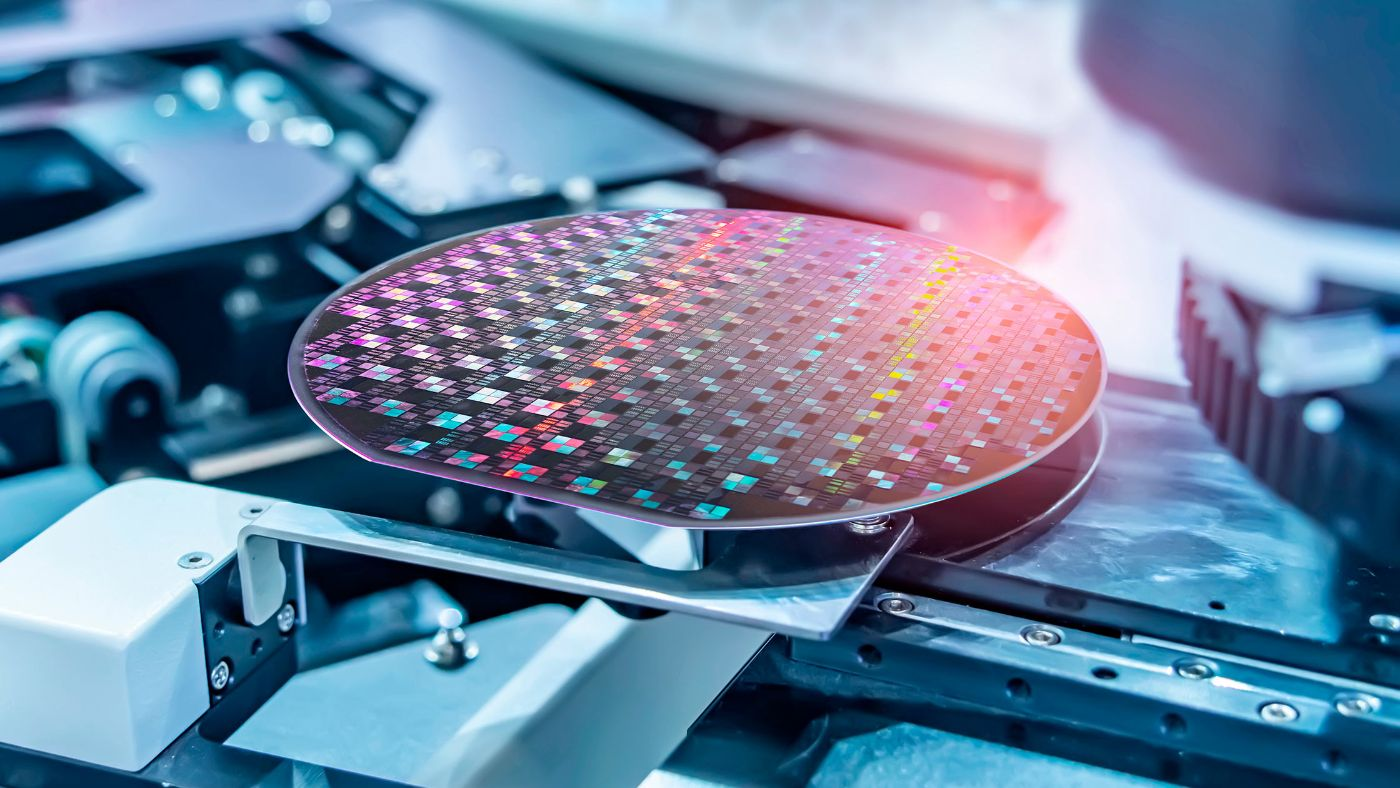
Most infrared heaters just blast energy in every direction. In a cramped semiconductor tool, that’s a nightmare. Instead of just heating the wafer, you’re heating the inner walls of the machine. The result? Your cabinet basically becomes an oven. You end up with “hot walls” that can burn an operator or fry your components way before they should actually wear out. It’s a waste of energy and a safety headache. The trick is focusing the heat. We stopped thinking about radiation as a bubble and started thinking about it as a beam. By pairing short-wave infrared emitters with specific reflectors, we push the heat exactly where it needs to go—the rinse zone—and nowhere else. You get the surface temperature you need on the workpiece, but the rest of the chassis stays cool. It’s a much cleaner way to work. Dealing with the damp Since these lamps live in rinse environments, they’re constantly fighting moisture. To stop the circuitry from shorting out the moment things get steamy, we seal the terminals and use quartz glass that can actually handle high humidity. It just works, even when it’s wet. The trade-off (because there’s always one) Here’s the catch: when you concentrate heat into a tight beam, you create a very specific “sweet spot.” If your workpiece is off by even a few millimeters, you’ll notice the heating isn’t even. You can’t just wing it with the setup. You’ll need to make sure your jigging and alignment rails are spot-on to match the angle of the lamp. Making life easier for the operator Once you kill the “hot wall” effect, everything gets simpler. You don’t have to cram in massive amounts of insulation or run loud, heavy-duty cooling fans just to keep the exterior panels from burning someone. It makes the machine safer to be around and stops you from spending money to heat the air inside a metal box.