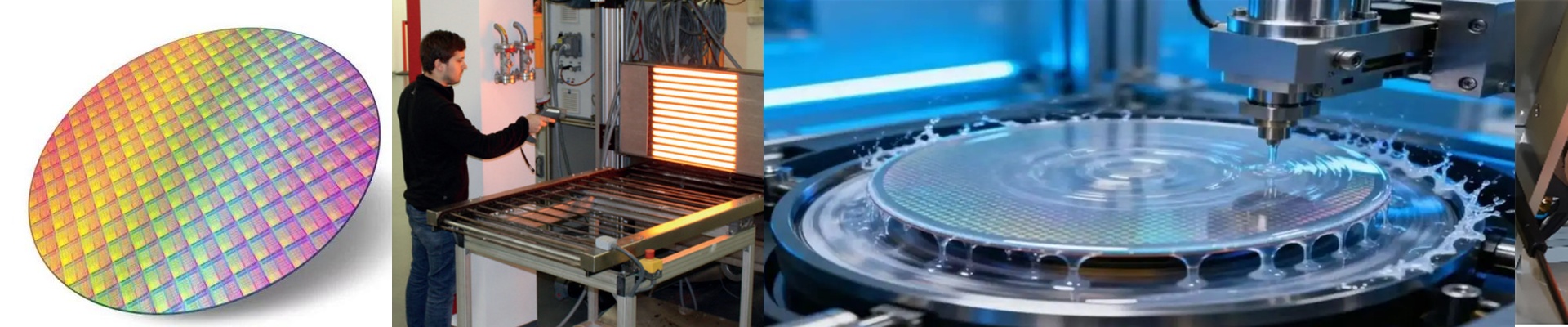

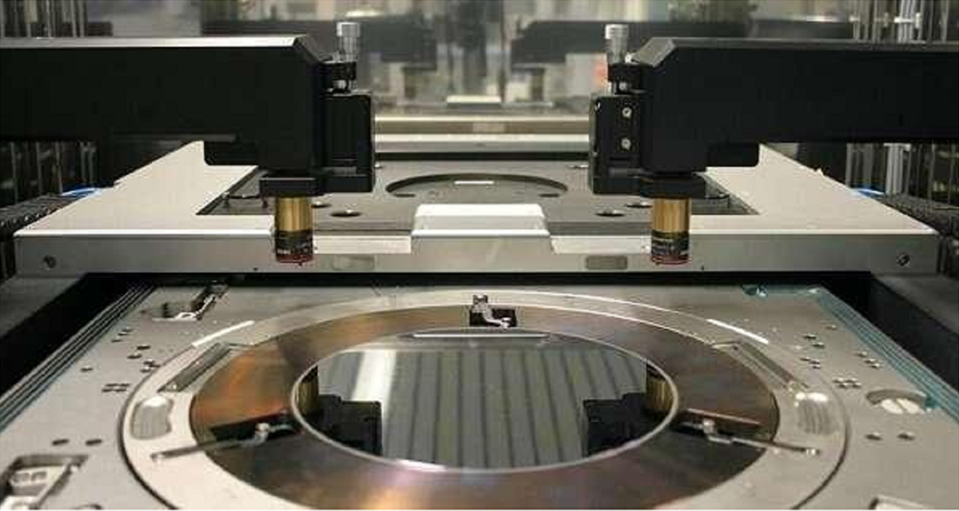
On the flexible display line, that post-photoresist drying step isn’t just a pause. It’s a control point, plain and simple. Crank the heat too fast, and the solvent burst will skin over and leave defects. Hold too long, and the thermal budget bleeds into the underlying TFT, drifting linewidth and eating yield. The lamp has to hit the film with heat exactly when and where it’s needed, with no drift. What matters under the hood We built the drying lamp around near-infrared (NIR) heating, with sub-millimeter control of the thermal field. The emitter array is mapped and calibrated so temperature uniformity across the active zone holds within ±0.1°C. That’s not a brochure number—it’s the difference between steady solvent evaporation and edge-to-edge variation that shows up as residual film thickness non-uniformity. Repeatability is baked into the closed-loop control, so the same bake profile comes back, batch after batch, shift after shift. Why it sticks in this process Flex substrates run fast, and the window is tight. In a Class 1–100 cleanroom, the lamp runs with zero particle generation, keeping defect counts down and scrap off the line. Soft bake and hard bake hit target temperature faster, cutting cycle time without compromising the profile. And because NIR heats the film directly, you’re not wasting energy heating air. The payoff is stable critical dimension control, fewer reworks, and predictable output. What you need to plan for The lamp drops into standard fab interfaces, but it needs clean power and disciplined thermal management at the exhaust. Schedule a short commissioning run to lock in the profile and set the lamp height to the substrate path. Once it’s dialed in, the system is solid—but it will slip if exhaust flow drifts or if the emitter window gets contaminated. Keep the optics clean, and the process stays in control.