



Stop Waiting on Your Ovens: A Better Way to Heat Wafers
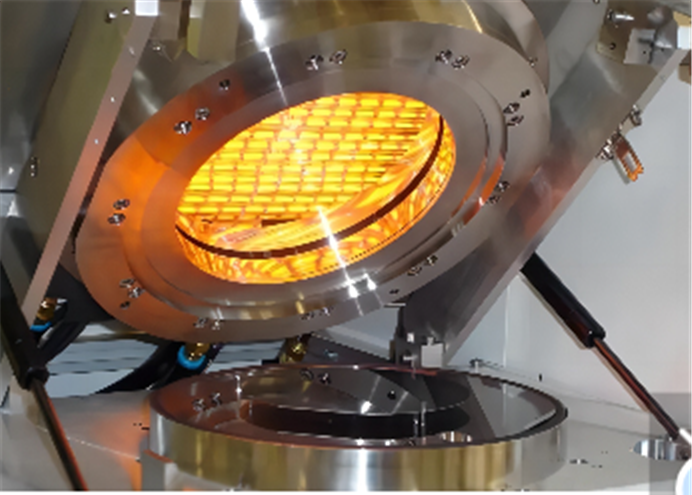
If you walk into most semiconductor lines, you’ll see the same old setup: hot air circulation. It’s basically a giant convection oven. You heat the air, the air heats the chamber, and then you sit around waiting for that heat to actually soak into the wafer. It’s slow. Honestly, it’s the biggest drag on the whole process. That gap between flipping the switch and actually hitting your target temperature is just wasted time. Cutting out the middleman Infrared (IR) heating does things differently. Instead of messing around with the air, IR emitters beam electromagnetic radiation straight at the substrate. The energy hits the surface and it’s absorbed instantly. We’re talking milliseconds, not minutes. You get rid of all that clunky thermal inertia you get with massive blowers and ductwork. It just happens. More room, more parts When you ditch the forced air, your floor plan opens up. You don’t need those hulking, insulated ovens or noisy blowers just to keep things steady. Plus, we can set up IR arrays to hit specific zones on a wafer. You get a level of precision that air just can’t touch. Since you can ramp up and cool down so much faster, the “waiting game” ends. Your throughput goes up because you’re actually processing, not idling. The catch (because there’s always one) Now, IR is aggressive. Since the heat is so direct, you have to be careful. If your emitters are slightly off or your controllers aren’t tuned right, you’ll end up with hotspots. You can’t just swap the hardware and walk away. You’ll need to rethink where your sensors sit. And if your cooling system can’t keep up with those rapid thermal spikes? Your substrate is going to warp. But for shops trying to shave time off their cycles, this is the way to go. It’s the difference between heating the whole room and just turning on a flashlight. You get your parts finished and out the door a lot faster.